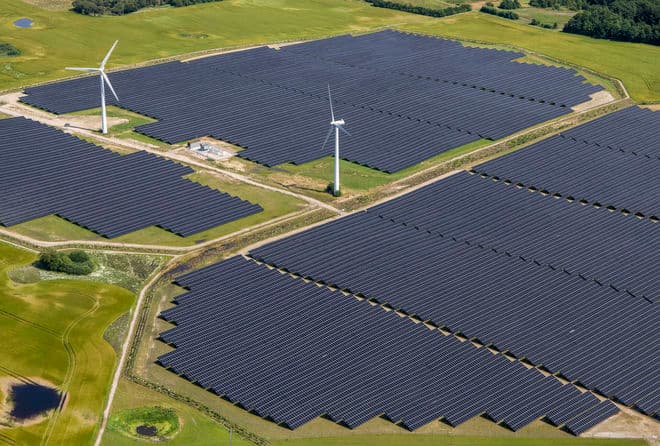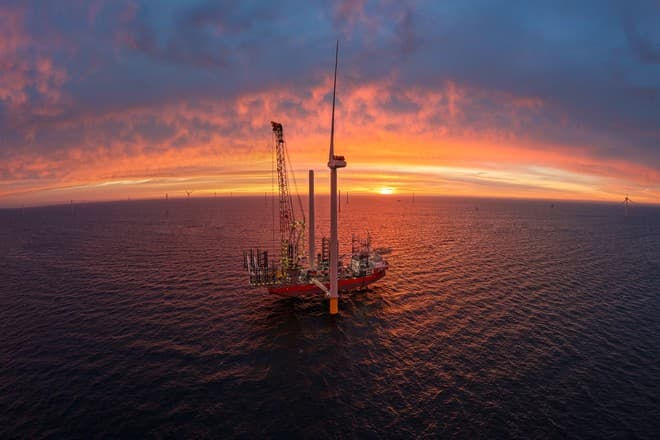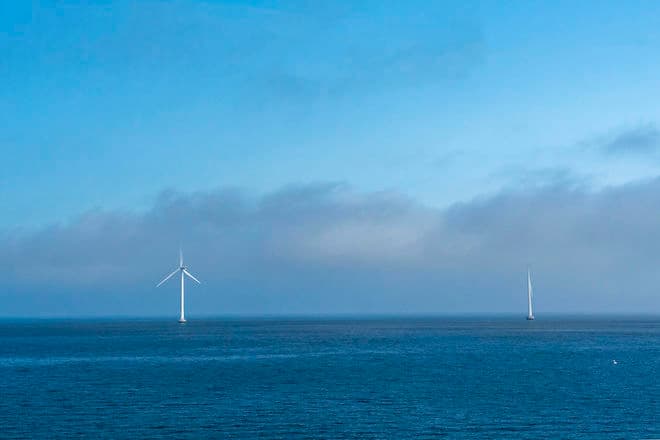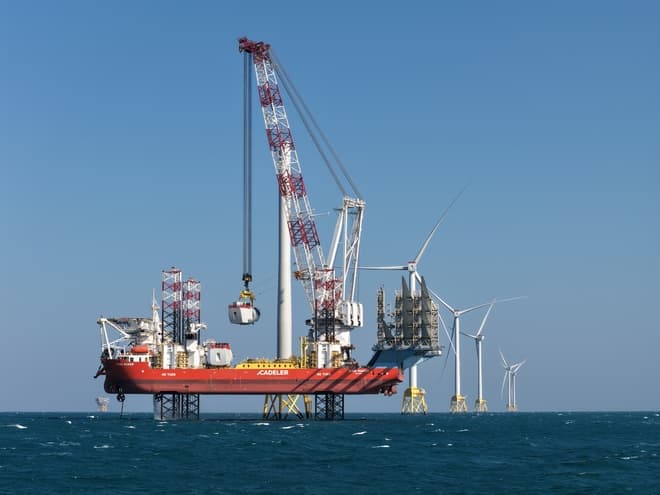
Taller wind turbines produce more electricity, partly because they have access to stronger and more stable winds and thus also have greater energy efficiency, but this also requires that equipment for installation and maintenance of the large turbines is included.
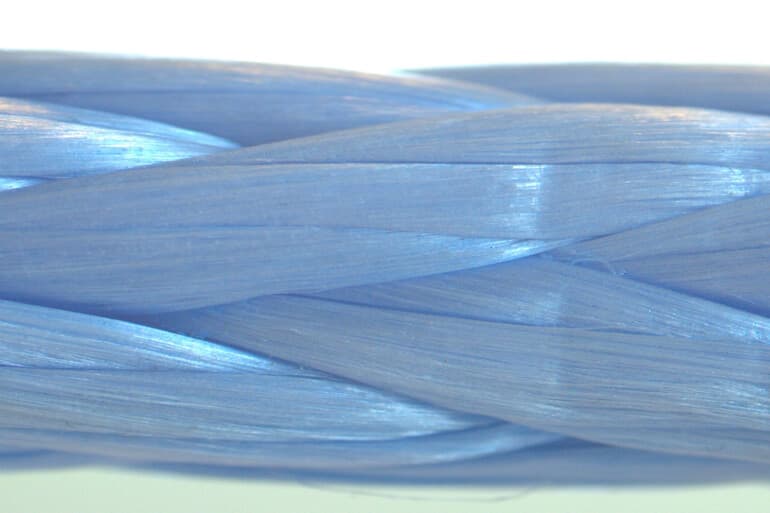
One solution is to use so-called fiber ropes, which are produced from a special type of polyethylene instead of traditional steel wires in the crane systems used to hoist the wind turbines. Fiber ropes weigh significantly less and can lift more than steel wires, but there is a lack of knowledge about the safety and durability of fiber ropes.
In an EUDP-supported (Denmark's Energy Technology Development and Demonstration Program) project, researchers at AAU Energi in Esbjerg will, among other things, make it possible to calculate fatigue in fiber ropes, the university states in a press release.
- We monitor the strength of the fiber rope using artificial intelligence and machine vision. In this way, we can develop an algorithm that can estimate the condition and durability of the rope and thus its lifespan, says associate professor at AAU Esbjerg Petar Durdevic.
The project is a collaboration between AAU Energi in Esbjerg, the fiber rope company Dynamica Ropes and the crane company Liftra.
- This is an important contribution to further maturing wind turbine technology and thus making it possible to establish larger and more energy-efficient wind turbines. By using fiber ropes in our crane systems, it will be cheaper to install and maintain tall wind turbines, especially in difficult-to-access areas such as mountainous areas, but it will also open up the possibility of installing tall turbines in Africa, among other places, explains Per Fenger, CEO of Liftra.
The project has received a total of approximately 9.5 million DKK in support and is expected to be completed in 2025.
amp
Text, graphics, images, sound, and other content on this website are protected under copyright law. DK Medier reserves all rights to the content, including the right to exploit the content for the purpose of text and data mining, cf. Section 11b of the Copyright Act and Article 4 of the DSM Directive.
Customers with IP agreements/major customer agreements may only share Danish Offshore Industry articles internally for the purpose of handling specific cases. Sharing in connection with specific cases refers to journaling, archiving, or similar uses.
Customers with a personal subscription/login may not share Danish Offshore Industry articles with individuals who do not themselves have a personal subscription to Danish Offshore Industry.
Any deviation from the above requires written consent from DK Medier.