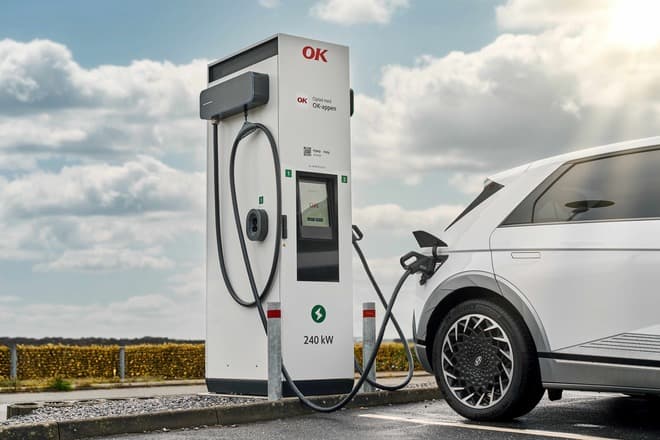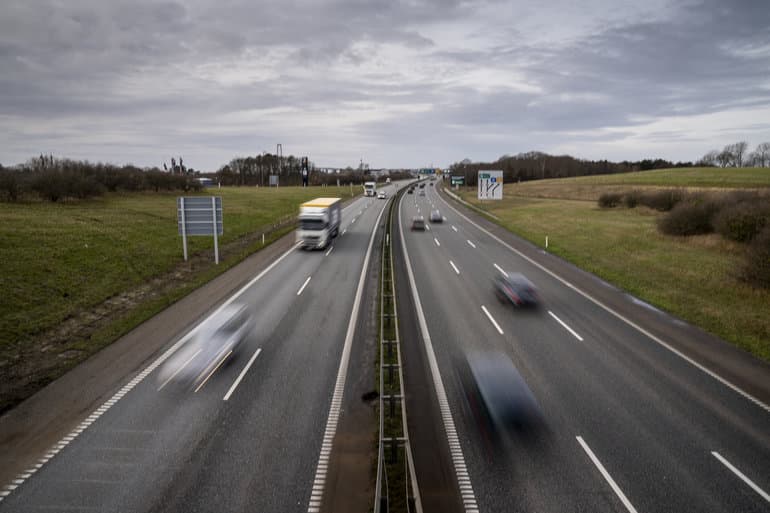
It doesn't take many years before electric cars were rare on Danish roads. But in recent years, development has been rapid. Most recently, electric cars accounted for 52 percent of all new cars sold in July in Denmark. This just surpasses December 2023 with 51 percent and is thus the highest share in a month. This is shown by figures from the industry organization Mobility Denmark, which represents Danish car importers.
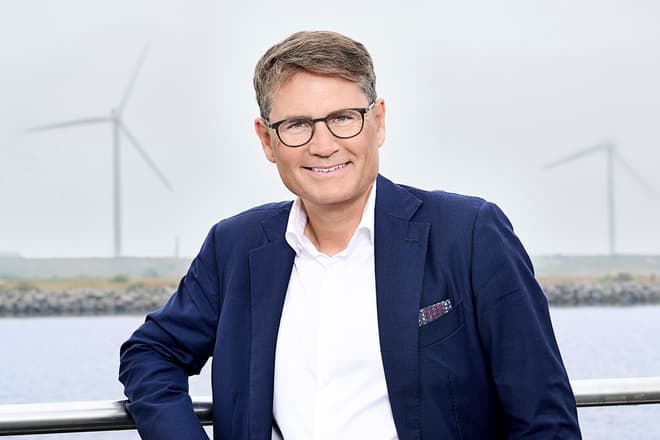
- The sales figures in July are remarkable because we are reaching the point where electric cars account for more than 50 percent of sales, and that is quite a milestone. It is within a short number of years that we have gone from a very modest number of electric cars to them now accounting for more than half, says Mads Rørvig, CEO of Mobility Denmark.
A total of 11,517 cars were registered in July, of which 52 percent that is, electric cars.
The total number of newly registered cars is roughly on par with July 2023. But the number of new electric cars on the roads has taken a significant leap.
This year, the number of registered electric cars in July was 69 percent higher than in July 2023, according to Mobility Denmark.
- It is a mixture of the fact that new different models have come onto the market and that politicians have kept the taxation of electric cars at a low level. This combination means that we are breaking records in the share of electric cars, and that we are also the country in the EU that sells the most electric cars in percentage terms, says Mads Rørvig.
FDM fears a decline in sales
In the car owners' organization FDM, department head Torben Lund Kudsk says that they are worried about whether sales can continue to increase.
- The electric cars that sell really well are still cars that are historically somewhat more expensive than the cars that Danes have bought on average. So the question is how many Danes can actually afford to buy electric cars, which may cost a total of 400,000-500,000 kroner, he says.
- We are actually quite concerned that we risk seeing an increase in sales if cheaper electric cars that are good and usable do not come soon, he says.
One should look at Chinese manufacturers, who are expected to send cheaper electric cars with good functionality to the market in the coming years, says Torben Lund Kudsk.
But the EU Commission has decided to introduce a punitive tariff on Chinese cars, and therefore it is still uncertain what this means for prices for consumers.
Low taxes push sales
At the same time, it is also crucial what the politicians decide to do with the tax on electric cars in Denmark, according to both FDM and Mobility Denmark. It is politically determined that electric cars and hybrid cars will be taxed at a lower rate than petrol and diesel cars.
According to the latest agreement from 2020, electric cars with a price below around 400,000 kroner are largely tax-exempt, just as more expensive electric cars will also be taxed at a lower rate than usual.
This means, for example, that a Tesla Model 3, which cost 482,200 kroner in 2020, will be exempt from 176,000 kroner in registration tax, according to the agreement text.
However, the latest agreement stipulates that the taxes will be phased in from 2026-2030, unless the Danish Parliament decides otherwise. This will be decided in 2025.
At the Confederation of Danish Industry, industry director Thomas Møller Sørensen would very much like to see the low registration tax on electric cars frozen until 2030.
- The Danes have really created momentum in the green transition of the car fleet. As good news as it is for the climate, it is also a fragile situation.
- We know from the countries around us that sales of electric cars can quickly decline if government support does not continue, he says in a written comment.
/ritzau/
Text, graphics, images, sound, and other content on this website are protected under copyright law. DK Medier reserves all rights to the content, including the right to exploit the content for the purpose of text and data mining, cf. Section 11b of the Copyright Act and Article 4 of the DSM Directive.
Customers with IP agreements/major customer agreements may only share Danish Offshore Industry articles internally for the purpose of handling specific cases. Sharing in connection with specific cases refers to journaling, archiving, or similar uses.
Customers with a personal subscription/login may not share Danish Offshore Industry articles with individuals who do not themselves have a personal subscription to Danish Offshore Industry.
Any deviation from the above requires written consent from DK Medier.