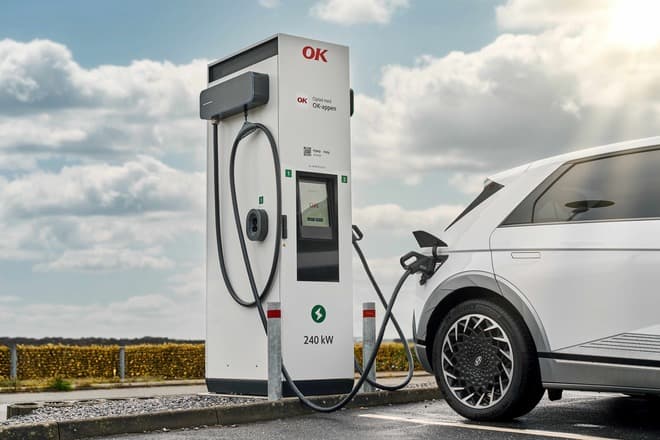
Even though electricity prices in Denmark fall below zero during many of the hours when we produce the most green electricity in Denmark, Danish electricity customers still pay prices that are 2-3 times higher than they do in China and the USA. This is reported by dibusiness.dk.
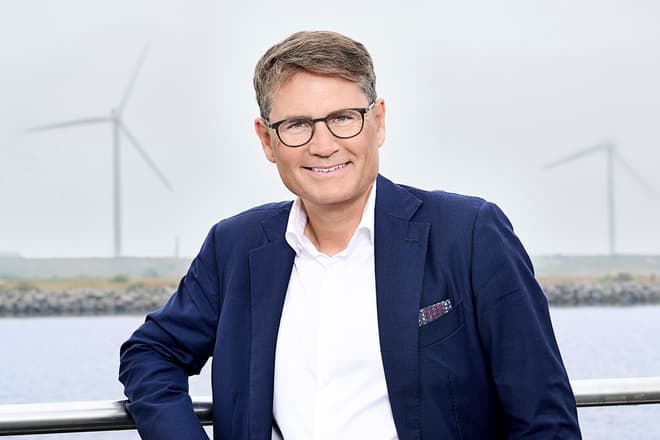
- We saw this especially in 2022, when very high average electricity prices triggered an electricity price crisis throughout the EU. This is of course a problem for private consumers, but especially for the competitiveness of EU companies. Therefore, it is crucial that energy prices come down and green solutions come in, says DI Energi's industry director, Troels Ranis.
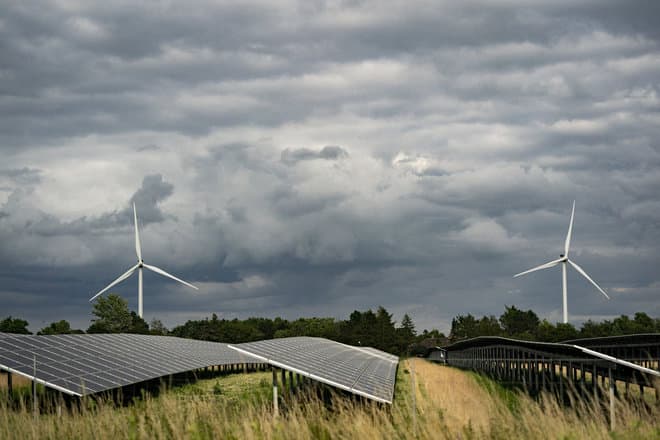
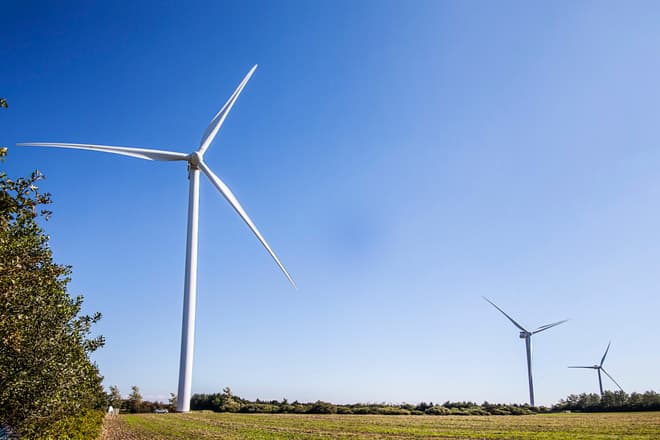
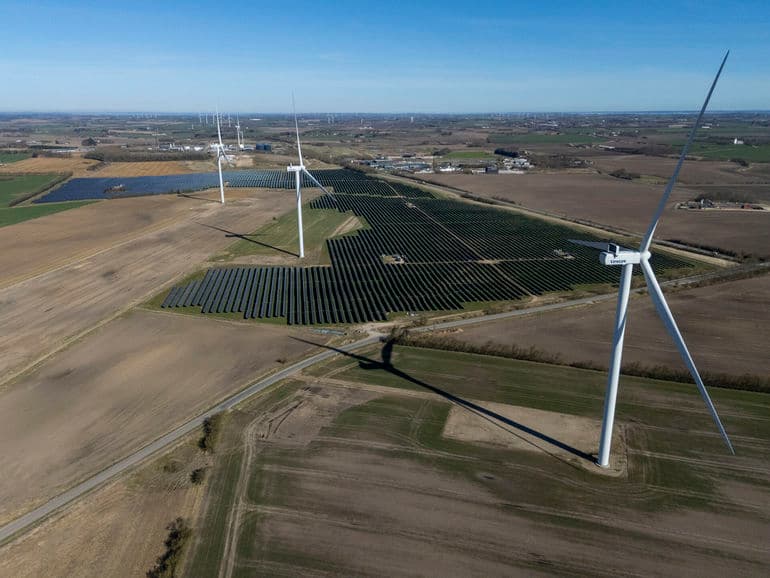
In Denmark, electricity consumption has been increasing slightly in recent years. Since 2015, it has increased by 14 percent, and over the past 20 years, Denmark's electricity production has gone from 20 percent coming from renewable energy sources to 88 percent in 2024 coming from renewable sources. Primarily driven by large-scale wind energy production.
- Companies' electricity consumption has increased due to electrification, and Danish companies account for two-thirds of total Danish electricity consumption. But if it were up to me, further electrification would be the first thing we thought about when we got up in the morning, says Troels Ranis.
He believes that electrification is the recipe that will solve some of Europe's most important and biggest challenges right now: Where do we get the energy from, is it safe and is it green for the climate?
- We need to further electrify our consumption. Not only in Denmark, but also at the EU level, says Troels Ranis.
Greater consumption of green electricity
In 2024, Denmark was the EU country with the highest share of renewable energy in electricity consumption.
- Norway and Iceland were a little better than us, but Denmark is far above the EU average, which is 46.9 percent. But in 20 years, Denmark will be CO2-neutral. Therefore, financing measures are needed at both the EU and Danish levels that can support the conversion of industry to electrical consumption, says Troels Ranis.
In addition, according to Troels Ranis, it is central that the electricity grid is expanded, which must be able to transport larger amounts of electricity to customers.
- Here, bureaucratic delays are a challenge. There is a need for both EU and Danish politicians to take responsibility and find a solution so that approval processes do not hinder the green transition, says the industry director.
He also calls for political solutions to be found that can facilitate access to green electricity and electrification locally in the business area.
- The new building directive requires that more and more companies install solar cells on their roofs by 2030. At the same time, it is a challenge for companies to obtain grid connection for the new solar production, if such a connection will require grid expansion. Here, politicians should look more closely at the possibilities of sharing electricity with neighbors, for example in an industrial area, says Troels Ranis to dibusiness.dk.
amp
Text, graphics, images, sound, and other content on this website are protected under copyright law. DK Medier reserves all rights to the content, including the right to exploit the content for the purpose of text and data mining, cf. Section 11b of the Copyright Act and Article 4 of the DSM Directive.
Customers with IP agreements/major customer agreements may only share Danish Offshore Industry articles internally for the purpose of handling specific cases. Sharing in connection with specific cases refers to journaling, archiving, or similar uses.
Customers with a personal subscription/login may not share Danish Offshore Industry articles with individuals who do not themselves have a personal subscription to Danish Offshore Industry.
Any deviation from the above requires written consent from DK Medier.