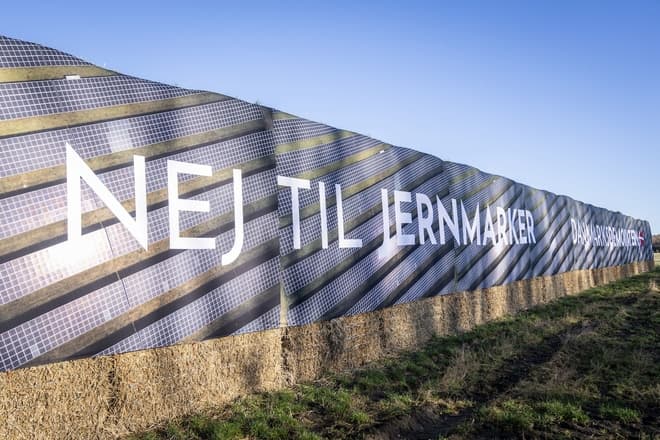
It is not only in Denmark that there is a debate about the role of nuclear power in the future energy supply. On the other side of the globe - in Australia - the debate is also raging. In Denmark, a united blue opposition wants to lift the 40-year ban on nuclear power.
The conservative Australian opposition has a similar wish, announcing a new course for the climate if it wins the parliamentary election on Saturday. Australia has some of the world's largest reserves of uranium, but has had a ban on nuclear power for over 25 years.
Ahead of the election, opposition leader Peter Dutton has presented a 1320 billion kroner plan to build seven large nuclear power plants by 2050, thus making nuclear power part of the country's energy network for the first time.
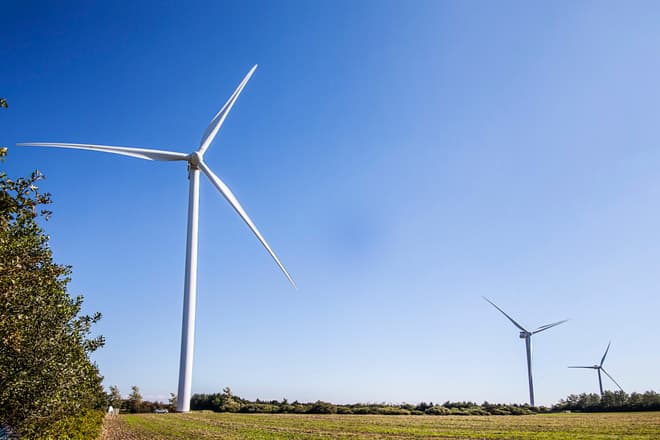
It will be a major change of course. The current Prime Minister, Anthony Albanese of the center-left Labor party, has, since coming to power three years ago, focused on renewable energy sources such as solar and wind, which are abundant in Australia.
But Dutton wants it different. In addition to nuclear power, he wants to increase gas production and reduce the deployment of solar and wind projects. The Albanese government's clean energy goals must be scrapped.
According to Dutton, nuclear power is cheaper and more reliable than renewable energy.
- I have not committed to nuclear power to get votes. I have committed to it because it is the best thing for our country, he said during a TV debate.
Growing interest in nuclear power
Internationally, there is growing interest in nuclear power because many nations are struggling to reduce their dependence on fossil fuels, which are the biggest culprits in terms of climate change.
For years, Australia has been considered one of the major climate culprits at UN climate summits. The country has large reserves of coal and gas, which it has made extensive use of for many years. But several coal-fired power plants are closing as greener energy sources gain ground.
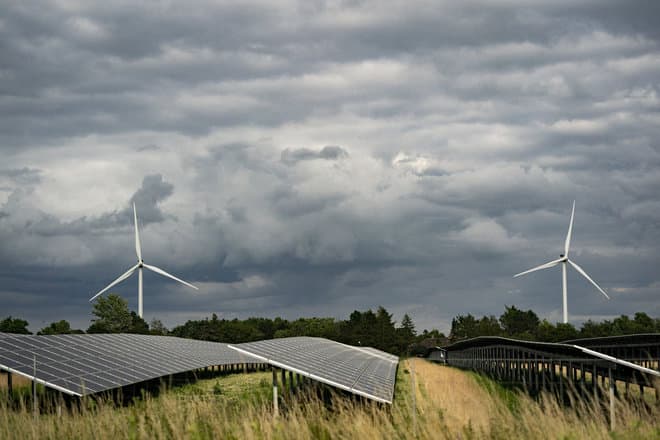
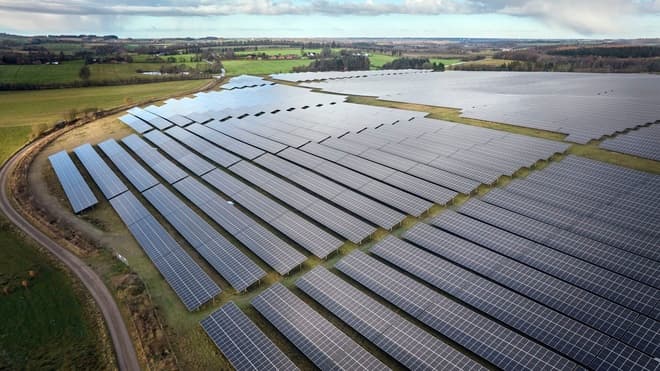
The country is considered to have good opportunities to go the green route, and the industry supports it. There is plenty of sun and wind and plenty of space to establish wind and solar farms. At the same time, Albanese and his government have invested record amounts in the sector.
The national research agency CSIRO estimates that it will be 50 percent more expensive to choose nuclear power over renewable energy. At the same time, it will take 15 years longer before nuclear power can be put into use. Therefore, nuclear power should not play a major role in the green transition, it says.
Critics call the proposal for nuclear power an old-fashioned point of view that has no place in the world when the country is so far ahead with renewable energy sources.
Supporters of nuclear power, on the other hand, believe that it is time to focus on the energy source, which many other countries have as a central weapon in the green transition.
Kirsty Braybon represents an Australian group that lobbies for nuclear power.
While other countries are ramping up nuclear power, she believes that Australia "is being held back by outdated bans that are stifling innovation, jobs and the chance to create a cleaner future."
/ritzau/AFP
Text, graphics, images, sound, and other content on this website are protected under copyright law. DK Medier reserves all rights to the content, including the right to exploit the content for the purpose of text and data mining, cf. Section 11b of the Copyright Act and Article 4 of the DSM Directive.
Customers with IP agreements/major customer agreements may only share Danish Offshore Industry articles internally for the purpose of handling specific cases. Sharing in connection with specific cases refers to journaling, archiving, or similar uses.
Customers with a personal subscription/login may not share Danish Offshore Industry articles with individuals who do not themselves have a personal subscription to Danish Offshore Industry.
Any deviation from the above requires written consent from DK Medier.