A new form of methanol could be a solution to replacing fossil fuels. Methanol is the name for wood alcohol. But it is used in the production of many everyday items such as plastic and glue. 100 million tons of methanol are produced worldwide per year. And in the process, large amounts of CO2 are released into the atmosphere.
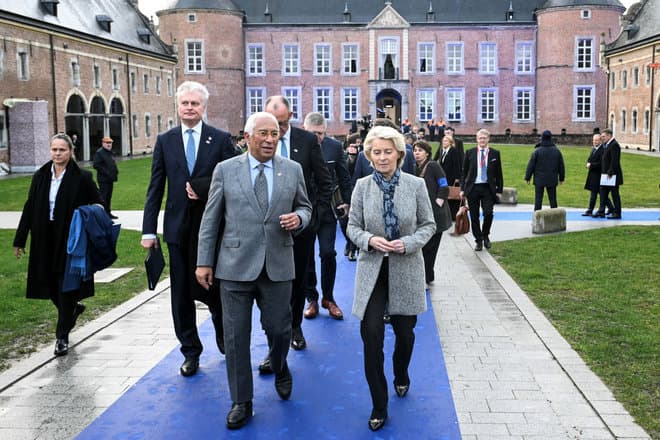
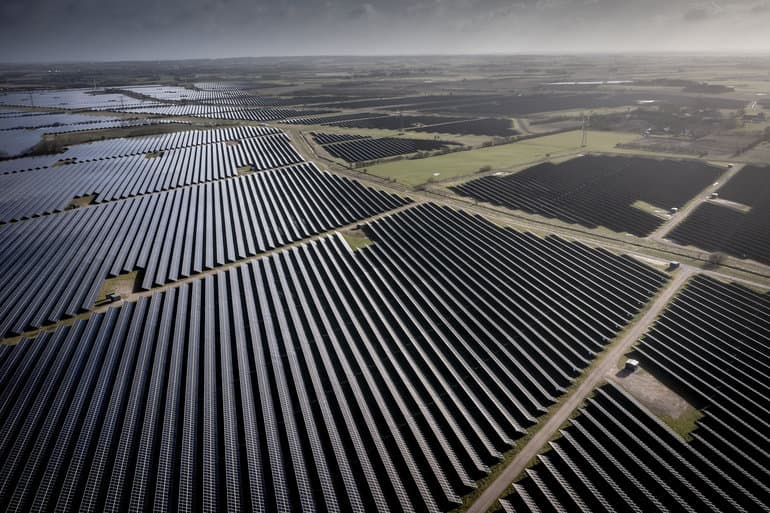
The Danish company European Energy, in collaboration with Mitsui & Co., wants to change that. On Tuesday, the world's largest commercial e-methanol plant will open in Kassø in Aabenraa Municipality. The plant will produce a greener and more climate-friendly form of methanol.
- We can reduce CO2 emissions by up to 97 percent. compared to the normal production of methanol today, which is made from oil or gas, says Emil Vikjær-Andresen, EVP and Head of Power-to-X at European Energy.
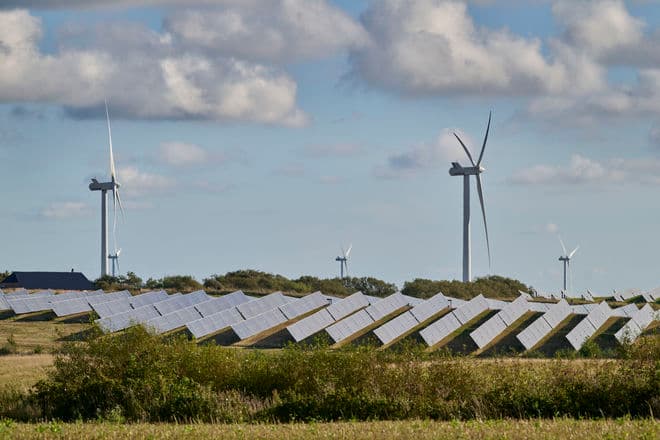
At the newly opened plant, renewable energy is used to split water and hydrogen. CO2 or carbon is then added to the hydrogen. This ultimately produces methanol, which functions as a fuel.
- If the energy used from the beginning of the process is green, the product will ultimately be green, says Emil Vikjær-Andresen.
According to European Energy, this form of energy is different from other forms of green energy because it can be used for means of transport that cannot operate on electricity.
- You cannot power a container ship, for example. It will sail around the world, and therefore it would be loaded with batteries to an extent that there would be no room for the cargo that the ship will actually transport, says Emil Vikjær-Andresen.
The greener methanol can be used in several contexts.
- You can mix it with gasoline and thus make gasoline a little greener than it is today, he says.
Contracts with several large companies
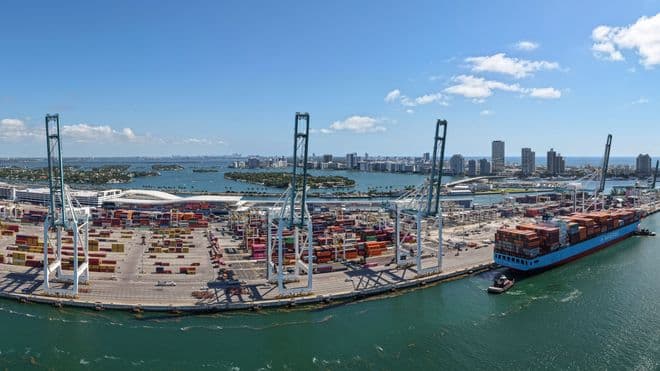
So far, Maersk, Novo Nordisk and Lego have invested in fuel from the new e-methanol plant at Aabenraa.
- Maersk will use it for its container ships. Lego and Novo Nordisk will use it to produce some of the plastic they use, says Emil Vikjær-Andresen.
Maersk considers the investment in the new form of fuel to be a new era.
- It is a milestone in our global efforts to find alternative fuels for our ships that we can now receive the first e-methanol from Kassø, says Morten Bo Christiansen, head of energy transition at Maersk, in a written response to Ritzau and adds:
- We will first and foremost use the methanol for the ship Laura Maersk, which was launched in 2023 as the world's first container ship with a dual-fuel methanol engine.
- The future of shipping consists of several different types of fuel, including e-methanol, which plays a role in achieving the industry's ambition of net-zero greenhouse gas emissions.
Denmark is front runner
According to Emil Vikjær-Andresen, Denmark is far ahead when it comes to green technology. But it also comes with challenges.
- We use this CO2 and mix it with hydrogen. Right now, the state supports putting CO2 into the ground - it has allocated 28 billion kroner for that. And when you do that, the market becomes difficult for us, who have to go out and buy CO2 to make a product out of it, he says, adding:
- So we don't experience much political goodwill.
Another challenge with the form of green energy produced at Kassø in Aabenraa is that it is more expensive than much other energy.
- E-methanol is two to three times more expensive than coal or natural gas. This means that there are some who have to pay a green premium for using a product that is largely CO2-neutral, rather than something made with gas or coal, says Emil Vikjær-Andresen.
/ritzau/
Text, graphics, images, sound, and other content on this website are protected under copyright law. DK Medier reserves all rights to the content, including the right to exploit the content for the purpose of text and data mining, cf. Section 11b of the Copyright Act and Article 4 of the DSM Directive.
Customers with IP agreements/major customer agreements may only share Danish Offshore Industry articles internally for the purpose of handling specific cases. Sharing in connection with specific cases refers to journaling, archiving, or similar uses.
Customers with a personal subscription/login may not share Danish Offshore Industry articles with individuals who do not themselves have a personal subscription to Danish Offshore Industry.
Any deviation from the above requires written consent from DK Medier.