The government's climate efforts no longer demonstrate that the goal of a 70 percent reduction in CO2 by 2030 will be achieved. This is stated in the Climate Council's annual status report, which was published on Thursday.
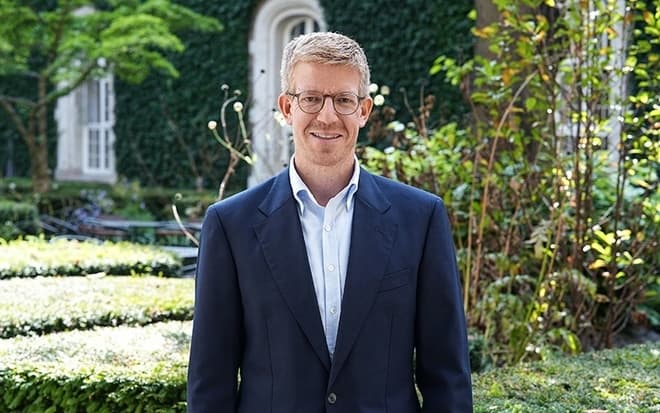
According to the Climate Council, there are significant risks that Denmark will not reach the target on the current course. Therefore, the council recommends that the government prepare a concrete Plan B that can make it more likely that the 2030 target will be reached if the adopted climate policy does not deliver as expected. At Green Power Denmark, chief economist Martin Ingerslev points to direct electrification as the most effective way forward. The business organization states this in a press release.
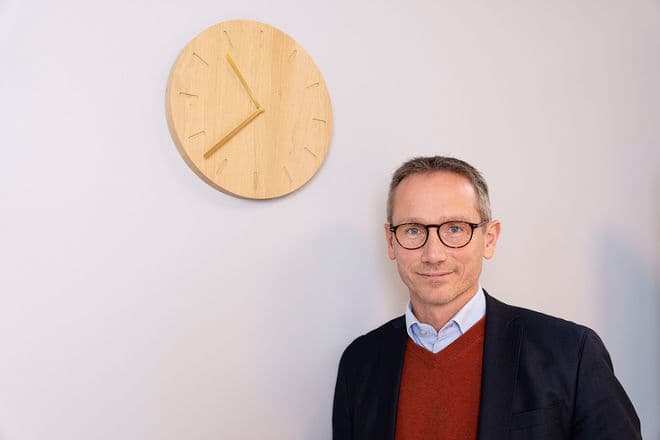
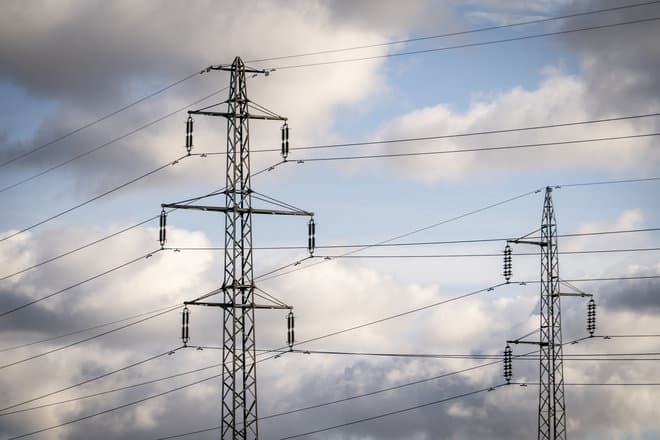
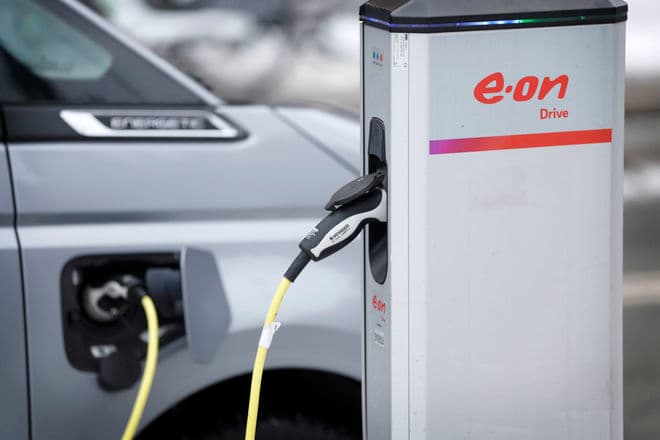
- The Climate Council notes that there are significant risks that Denmark will not reach the 2030 target on the current course. Therefore, the government should use all the tools that it knows will work. Direct electrification of home heating, industry and transport is the fastest and most efficient way to ensure that we achieve the climate goals, while making Denmark independent of imported fossil energy and strengthening our competitiveness, says Martin Ingerslev, chief economist at Green Power Denmark.
According to the organization, electrification and implementation of already adopted policies are crucial if the pace is to be increased. Green Power Denmark has previously proposed that 60 percent of Denmark's energy consumption be electrified by 2035.
- A low-hanging fruit could be that the government presents a concrete, national electrification plan as soon as possible with a clear target for how large a portion of Denmark's energy consumption should be electrified.
At the same time, CO2 capture and storage (CCS) plays a central role in the climate calculation. A large part of the expected reductions towards 2030 rests on technology, but the state's CCS tender, which had a deadline at the beginning of February, appears to yield fewer reductions than expected.
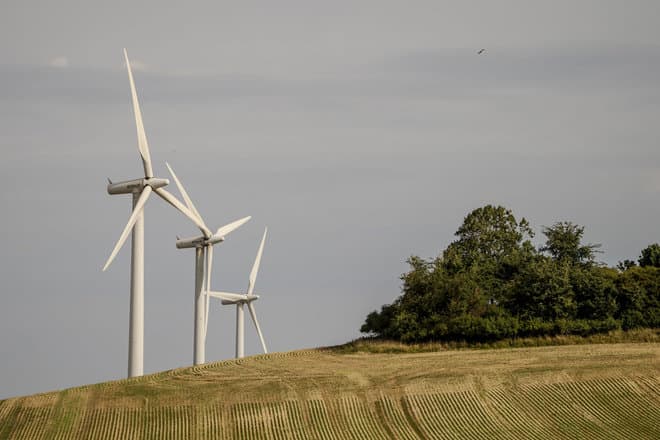
- CCS will be a crucial part of the effort if Denmark is to reach the climate target in 2030. But because the technology is to deliver large reductions in a relatively short time, it is necessary to maintain a strong focus on expanding renewable energy and electrifying energy consumption. It is the interaction between known climate measures and new technology that can collectively ensure that we reach the climate targets both towards 2030 and in the longer term, says Martin Ingerslev.