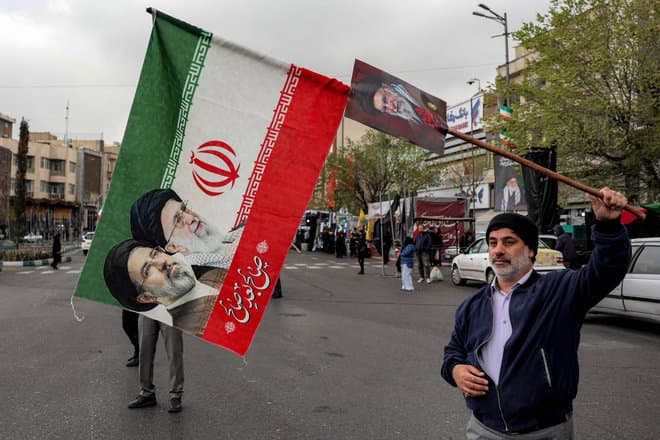
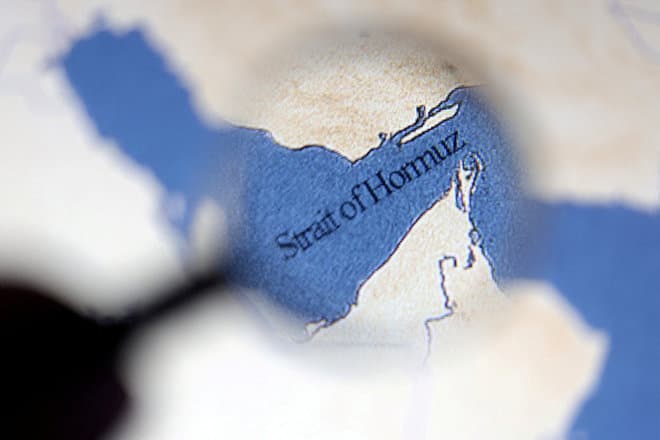
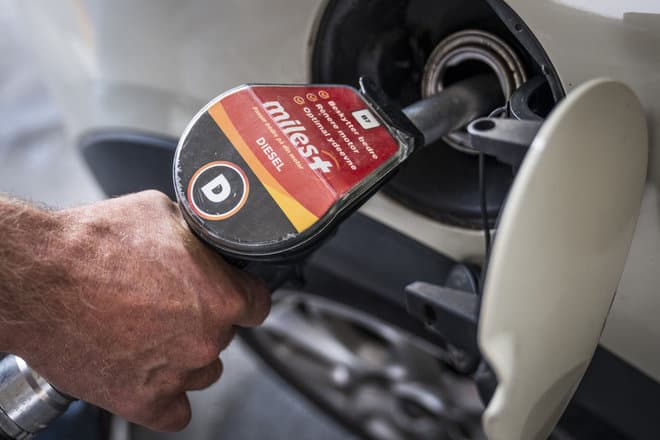
No one knows how the conflict in the Middle East will end, but it has already had an impact on the world economy as a result of the recent increases in energy prices. This is according to the OECD, which has lowered its estimate for global growth this year for the same reason.
In a new forecast, the OECD estimates that global growth in 2026 will amount to 2.9 percent. This is the same growth estimate as in the latest forecast for December, but the OECD writes in its report that by the end of February it would have raised the previous estimate by 0.3 percentage points to 3.2 percent.
Then the US and Israel attacked, resulting in rising energy prices, and then the calculator had to start again - and the forecast was sent back to the starting point. The OECD also assesses that the negative effects of the attacks in the area may have further consequences.
- The increase in energy prices and the unpredictability of the ongoing conflict in the Middle East will increase costs and reduce demand, it says in a comment on the current development in the forecast.
DI: Oil is the lubricant for the world economy
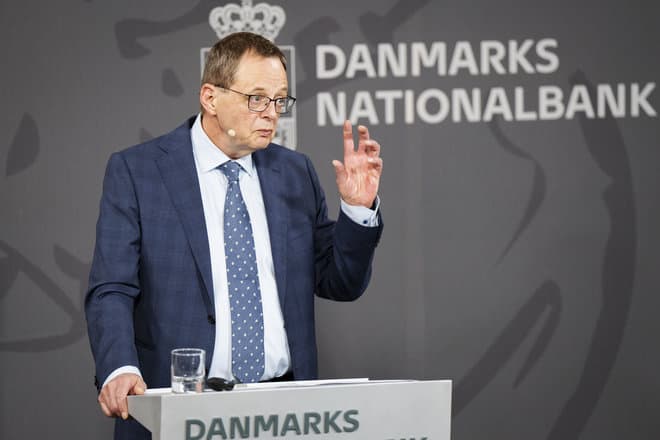
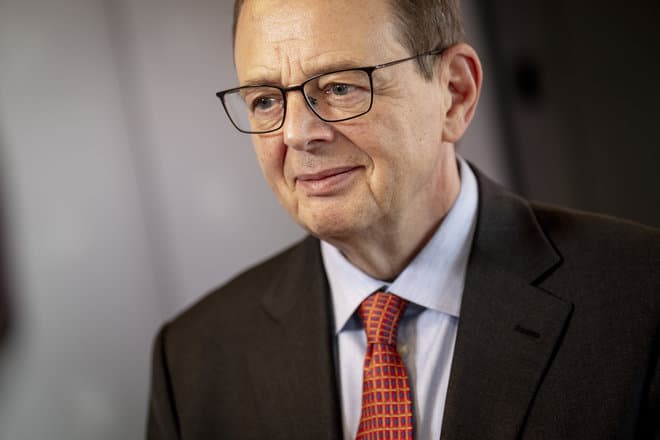
Allan Sørensen, chief economist at the Confederation of Danish Industries, explains why oil prices are so crucial for economic growth.
- Oil is the crucial lubricant for the world economy, and the high prices of oil mean that the world economy is not running as smoothly as we hoped.
- We have to spend more money on oil, and that means that we have to reduce our consumption of other goods, which costs growth, he says in a comment on the forecast.
The OECD now expects that growth in the eurozone will only amount to 0.8 percent in year against 1.2 percent in December. This also points in the wrong direction for Danish business.
- Lower growth in Europe is hitting Danish export companies hard. We sell the majority of our exports to nearby markets. Almost all export companies have many European customers in their order book, says Allan Sørensen.
/ritzau/
Text, graphics, images, sound, and other content on this website are protected under copyright law. DK Medier reserves all rights to the content, including the right to exploit the content for the purpose of text and data mining, cf. Section 11b of the Copyright Act and Article 4 of the DSM Directive.
Customers with IP agreements/major customer agreements may only share Danish Offshore Industry articles internally for the purpose of handling specific cases. Sharing in connection with specific cases refers to journaling, archiving, or similar uses.
Customers with a personal subscription/login may not share Danish Offshore Industry articles with individuals who do not themselves have a personal subscription to Danish Offshore Industry.
Any deviation from the above requires written consent from DK Medier.