COPHEN (FRA): Gas prices continue to rise.
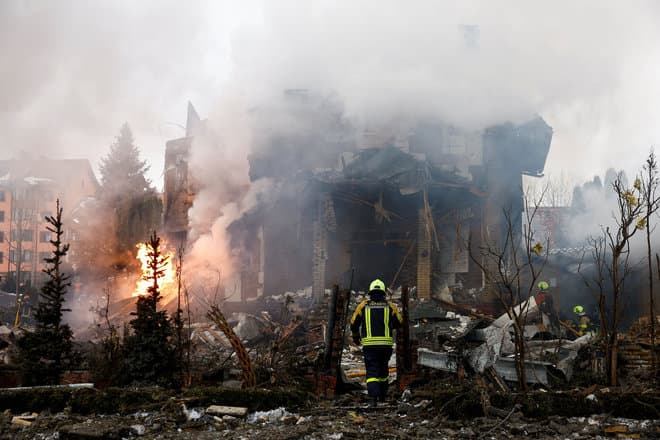
Europe is in a gas crisis after Russia's invasion of Ukraine, and this has contributed to the fact that the above sentence has recently filled the hearts of Danes. But now gas is coming from an unexpected source.
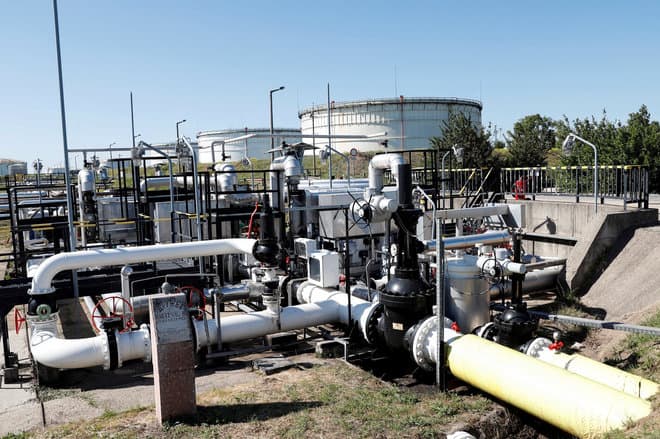
Copenhagen residents' food waste is now being converted into biogas, which is sent into the natural gas grid. This can thus directly replace fossil gas in electricity and heating production, in city buses and garbage trucks that run on gas and in the stoves in homes that use city gas.
This reduces Denmark's dependence on foreign gas.
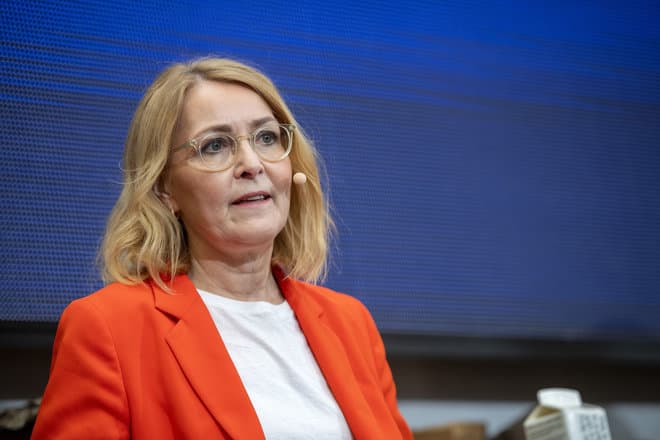
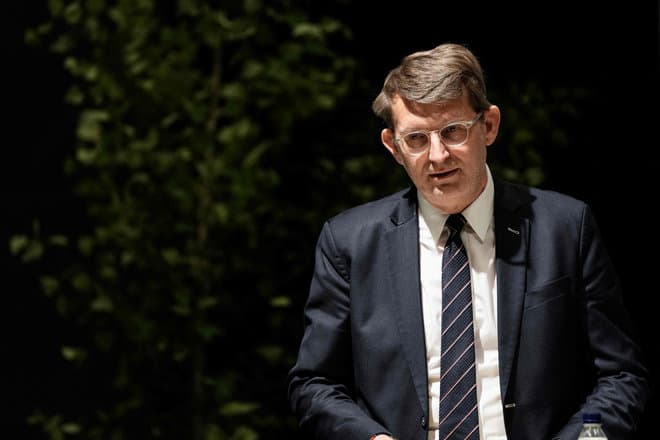
- We already collect 15,000 tons of food waste per year, and we would like to collect twice as much. 15,000 tons corresponds to the energy consumption of five million five-minute hot baths, so there is great potential in it. I hope that many more people will start sorting even more when they know that it directly replaces gas, which we otherwise have imported, says Mayor for Technology and Environment Line Barfod (EL)..
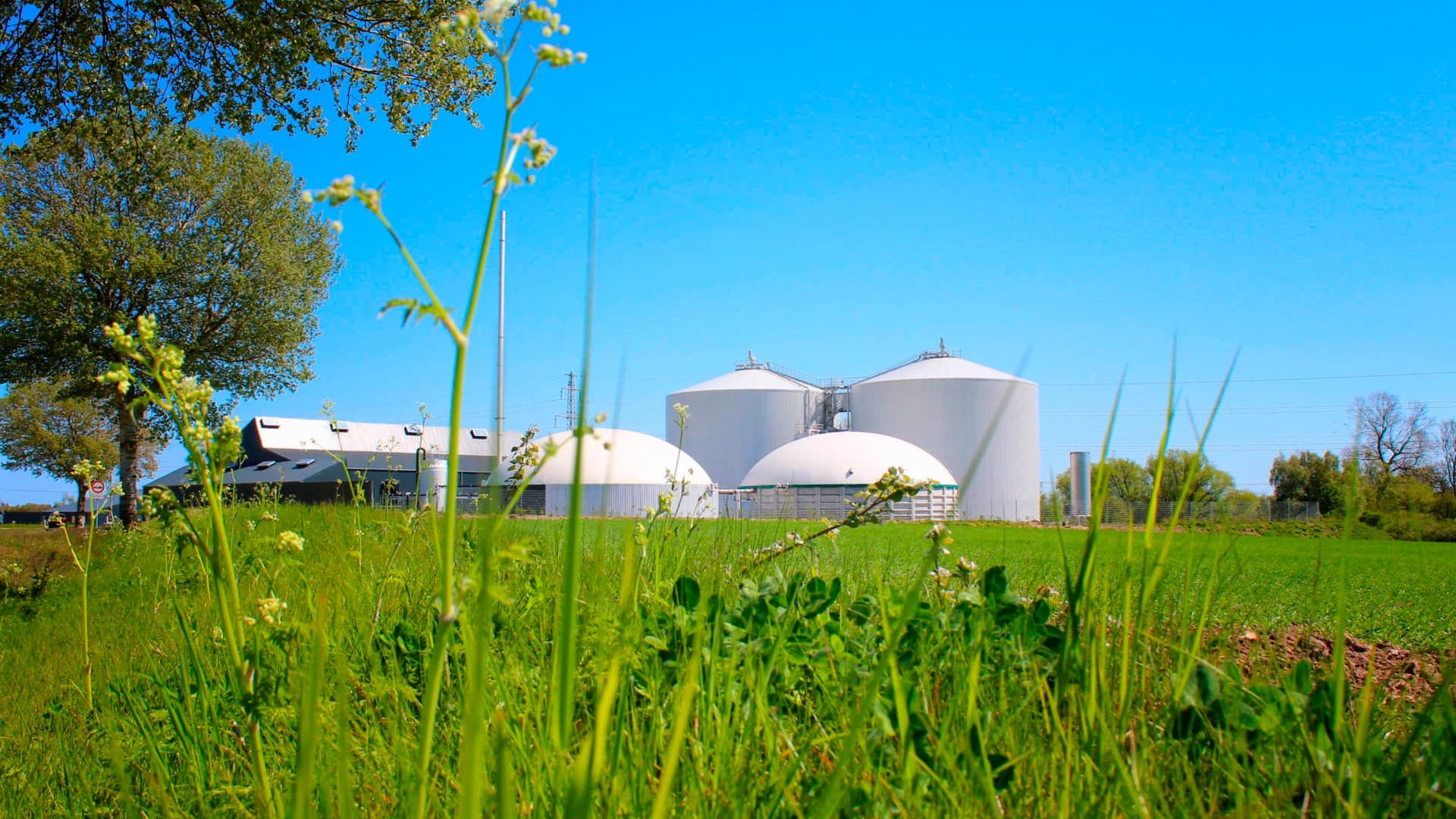
Plant in Solrød
The Municipality of Copenhagen has a goal of recycling 70 percent of Copenhageners' waste by 2024, and part of this plan is that food waste will be converted into gas at a plant near the city. Due to new regulations, the municipality's company ARC is not allowed to build its own biogas plant in Copenhagen. Instead, the food waste has been put out to tender, and it is a facility in Solrød that now receives Copenhageners' food waste.
– I am really happy that in the midst of a climate and energy crisis, we can now roll out a sustainable alternative to fossil gas in Copenhagen. I think it makes so much sense that we sort our food waste into the green bio bags every day, when you know that it directly helps to alleviate the shortage of gas that you constantly hear about in the media, says Line Barfod and adds:
– Ideally, we would like to have our own facility here in Copenhagen, so that we could reduce transport even more. But there is reason to be happy that we have now found a biogas plant closer to Copenhagen, that the recycling rate is now almost 100 percent, and that the residual waste is so clean that it can be used as fertilizer on organic farms.
The Municipality of Copenhagen collects almost 15 million tons of food waste annually, but the ambition is to double that.
mag
Text, graphics, images, sound, and other content on this website are protected under copyright law. DK Medier reserves all rights to the content, including the right to exploit the content for the purpose of text and data mining, cf. Section 11b of the Copyright Act and Article 4 of the DSM Directive.
Customers with IP agreements/major customer agreements may only share Danish Offshore Industry articles internally for the purpose of handling specific cases. Sharing in connection with specific cases refers to journaling, archiving, or similar uses.
Customers with a personal subscription/login may not share Danish Offshore Industry articles with individuals who do not themselves have a personal subscription to Danish Offshore Industry.
Any deviation from the above requires written consent from DK Medier.