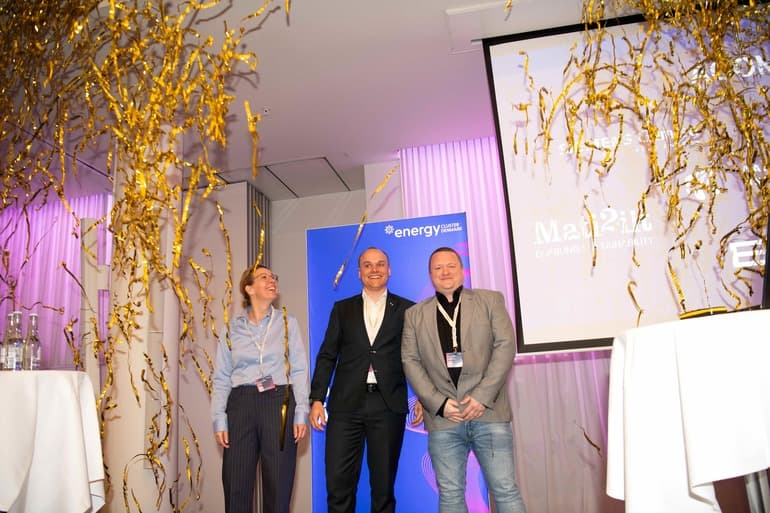
The underwater robot Acomar was voted by the members of Energy Cluster Denmark as the winner of the energy cluster's 'Innovation Project of the Year 2024', which has just been awarded at the energy cluster's annual meeting in Crowne Plaza Copenhagen Towers in Copenhagen. This was announced by Energy Cluster Denmark in a press release.
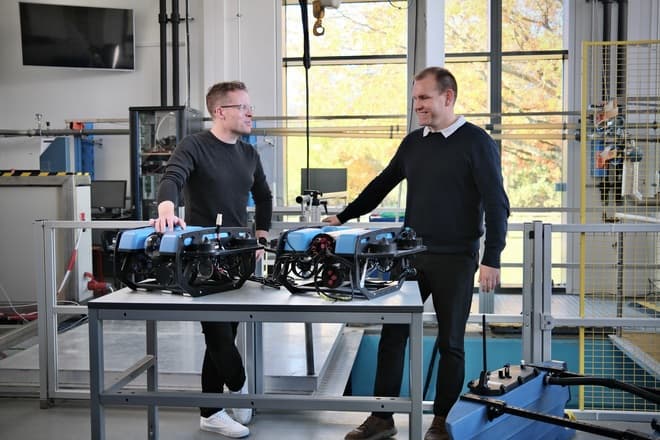
Acomar is a robot that can remove mussels and other marine fouling from offshore structures, which saves time and money, reduces environmental impact and mitigates risks.
At the same time, it is a project that was born from the Danish innovation model with companies, universities and the cluster organization, which jointly solve a specific challenge.
Specifically, SubC Partner, Sihm Højtryk, Mati2ilt, Siemens, TOTAL E&P Danmark A/S, Aalborg University, EIVA and ECD are behind the development of Acomar. The project is also supported by the Energy Technology Development and Demonstration Programme (EUDP).
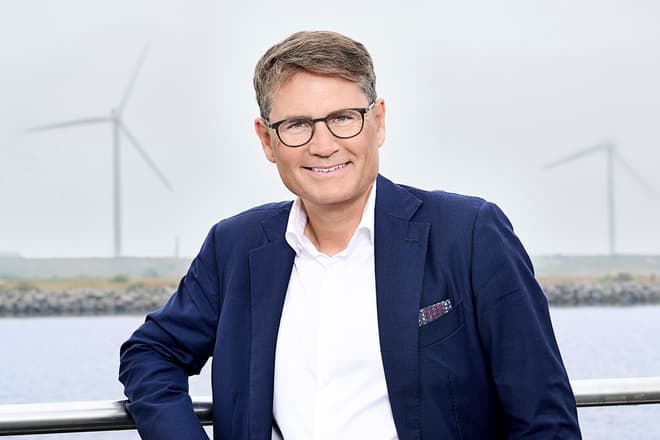
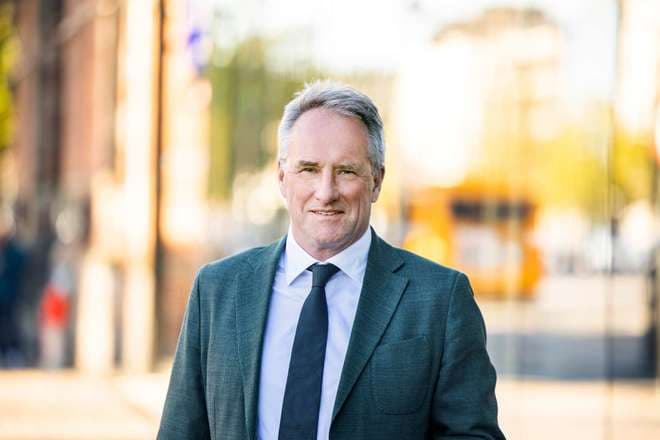
- Acomar is a textbook example of how we can make a real difference and create measurable results with sought-after innovation, driven by smart and innovative companies and business-promoting support, says Glenda Napier, CEO of Energy Cluster Denmark, about the award for the Acomar project. She continues:
- Right now, energy companies spend a three-digit million each year on removing marine fouling – in the North Sea alone. The Acomar robot will reduce the costs of marine cleaning by 30-40 percent, thereby making the total price of green energy production significantly cheaper, she says.
In addition to the Acomar project, Biogas PtX and DecomBlades were also nominated for the award.
The nominees for the Innovation Project of the Year 2024:
ACOMAR (Winner):
A specially designed underwater robot that can autonomously inspect and remove marine fouling offshore. The technology can work independently of large environmentally harmful vessels, which are used for the cleaning task offshore today. The robot can be put into operation directly from a wind turbine foundation or an oil and gas platform, and only requires an available support function while the task is being carried out. It is expected that the concept will reduce the costs of cleaning by 30-40 percent.
Partners in ACOMAR were: Siemens Gamesa Renewable Energy, TotalEnergies Danmark, SubC Partner, Mati2ilt, SIHM Højtryk, EIVA and Aalborg University. Acomar was supported by the European Regional Development Fund.
Biogas PtX – E-methane
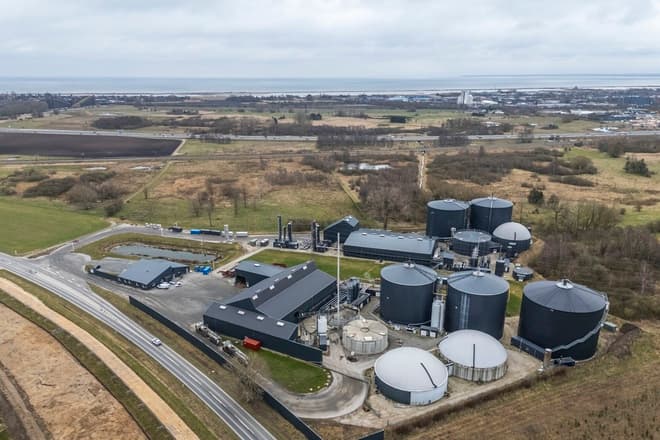
The world's first biological Power-to-X plant, which increases the production of biogas on a commercial basis via electrolysis and biological methanation. A special benefit of the plant in Glansager is that it can be turned on and off as needed, for example when there is a surplus of electricity from green energy sources. This means that the plant helps to balance the energy system when more green electricity is produced than is consumed.
The project was supported by funds from the REACT-EU program, and the partners were: Nature Energy, X Automation and the University of Southern Denmark.
DecomBlades
Increased circular production of wind turbine blades in the wind industry value chain. The partners have separated blade material in a pyrolysis process, where the recycled glass fiber from end-of-life blades is used to melt stronger glass fibers that can be used in the production of new wind turbine blades. Another result from DecomBlades is industrial material passports for end-of-life blades, which make it easy for recycling companies that handle the blades to separate them when they are to be recycled.
The circle of partners behind DecomBlades consisted of: Ørsted, LM Wind Power, Vestas, Siemens Gamesa, FLSmidth, MAKEEN Energy, HJ Hansen Recycling, University of Southern Denmark and Technical University of Denmark (DTU). The project received support from the Innovation Fund.
Source Energy Cluster Denmark
amp
Text, graphics, images, sound, and other content on this website are protected under copyright law. DK Medier reserves all rights to the content, including the right to exploit the content for the purpose of text and data mining, cf. Section 11b of the Copyright Act and Article 4 of the DSM Directive.
Customers with IP agreements/major customer agreements may only share Danish Offshore Industry articles internally for the purpose of handling specific cases. Sharing in connection with specific cases refers to journaling, archiving, or similar uses.
Customers with a personal subscription/login may not share Danish Offshore Industry articles with individuals who do not themselves have a personal subscription to Danish Offshore Industry.
Any deviation from the above requires written consent from DK Medier.