In the spring of 2022, the Danish Energy Agency initiated an investigation by the Attorney General into the agency's EIA practice for approving oil and gas activities under the exclusive licence.
The investigation has now been answered, and the report from the Attorney General shows that approvals have been granted for a number of fields under the Exclusive Licence without compliance with the EIA and habitat regulations. This is stated by the Danish Energy Agency in a press release.
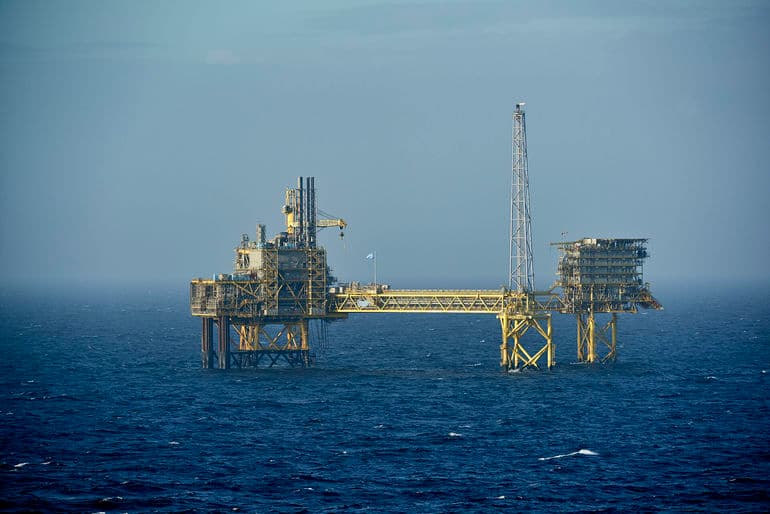
According to the Attorney General, approvals have been granted for facilities, pipelines and wells on the four field complexes Gorm, Dan, Harald and Halfdan (including satellite fields) without compliance with the EIA regulations. This applies to the period from 1988 onwards.
In addition, the rules in the Habitats Directive in connection with the approvals have not been observed to a sufficient extent. The Attorney General's assessment is that the approval of the reconstruction of the Tyra field facility from 2017 is not covered by the same errors.
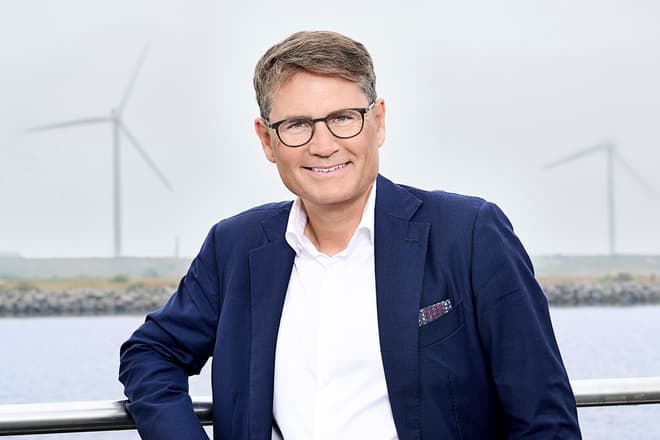
Minister of Climate, Energy and Utilities Lars Aagaard (S) is strongly dissatisfied with the errors in the Danish Energy Agency.
- The investigation clearly shows that the legislation has not been complied with and that serious errors have been made since the late 1980s. This is obviously highly critical and unsatisfactory, and therefore it is good that it has now been discovered. The Danish Energy Agency will now adapt their practice and follow all of the Attorney General's recommendations, and I have asked the Danish Energy Agency to keep me informed about this, he says.
The background to the investigation is that in the spring of 2022, the Danish Energy Agency suspected that errors might have been made in the case processing in connection with the EIA processes that formed the basis for approvals for the four field complexes in question. That suspicion has now been confirmed by the Attorney General.
The specific errors
Firstly, the errors are due to errors in the implementation of the EIA Directive. The report concludes that the EIA Directive was only implemented in the Subsoil Act in 1995. This is approximately seven years after the implementation deadline. It is also an error that deep drilling was only included in the Danish implementation of the EIA rules from 2012.
Secondly, the errors are due to errors in the specific case processing of the approvals under the Subsoil Act. The report concludes that the completed EIA reports for the field complexes Gorm, Dan, Halfdan and Harald do not contain specific descriptions and assessments of the applied projects, but instead more general project descriptions, and thus have the character of so-called framework EIAs. They therefore do not meet the requirements of the EIA Directive.
In addition, the study points out that the necessary assessments of the impact of projects on a single Natura 2000 site and on the specially protected marine mammals around the oil and gas fields have not been carried out. This is not in accordance with the Habitats Directive or the EIA Directive.
Finally, the Danish Energy Agency has not carried out specific environmental assessments in connection with the approval of well work and has also issued approvals on the basis of environmental impact assessments that are both more than three and five years old without assessing whether they were up-to-date and accurate.
New initiatives from the Danish Energy Agency
The Chamber Advocate makes a number of recommendations for the Danish Energy Agency's future work with approvals of oil and gas installations in the North Sea. The Danish Energy Agency will follow the recommendations and has also initiated a number of initiatives.
The Danish Energy Agency is currently investigating whether the errors also apply outside the Exclusive Licence.
The Danish Energy Agency will soon investigate whether there is a risk of damage to protected Natura 2000 areas or other nature and environment near the approved field complexes. If, contrary to current indications, this proves to be the case, the Danish Energy Agency will implement the necessary measures in light of these investigations, including possible re-examination of decisions.
The Danish Energy Agency has already taken the necessary steps since the summer of 2022 to ensure correct case processing and compliance with the EIA and habitat regulations in connection with the processing of new applications.
The Authority will also ensure that in connection with the approval of new facilities and activities, an environmental assessment of connected existing facilities will be included to the extent necessary, so that these are legally legalized.
- It is good that there is now a completed report, so that we can act on an informed basis and correct the mistakes that have been made for field complexes under the Exclusive Licence. We are already working on it and will in the near future review our approvals outside the Exclusive Licence to see if there is a need to correct mistakes in similar cases, says Director of the Danish Energy Agency Kristoffer Böttzauw.
amp
Text, graphics, images, sound, and other content on this website are protected under copyright law. DK Medier reserves all rights to the content, including the right to exploit the content for the purpose of text and data mining, cf. Section 11b of the Copyright Act and Article 4 of the DSM Directive.
Customers with IP agreements/major customer agreements may only share Danish Offshore Industry articles internally for the purpose of handling specific cases. Sharing in connection with specific cases refers to journaling, archiving, or similar uses.
Customers with a personal subscription/login may not share Danish Offshore Industry articles with individuals who do not themselves have a personal subscription to Danish Offshore Industry.
Any deviation from the above requires written consent from DK Medier.