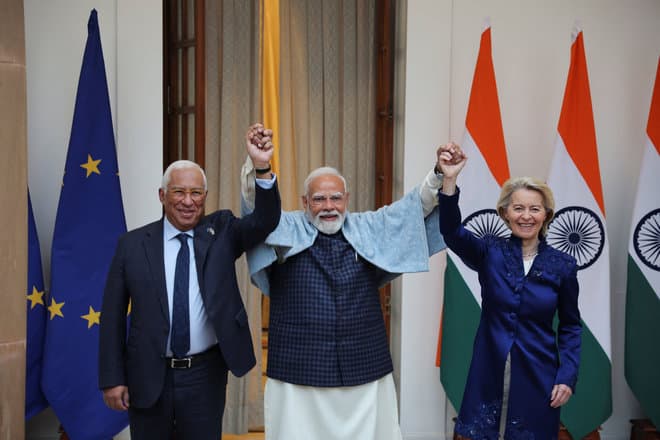
European Energy is participating in the Danish state visit to the Baltics, where the royal couple has been invited by the President of Lithuania. The state visit focuses, among other things, on the cooperation between Denmark and Lithuania within energy, energy security and the green transition.
This is stated by European Energy in a press release.
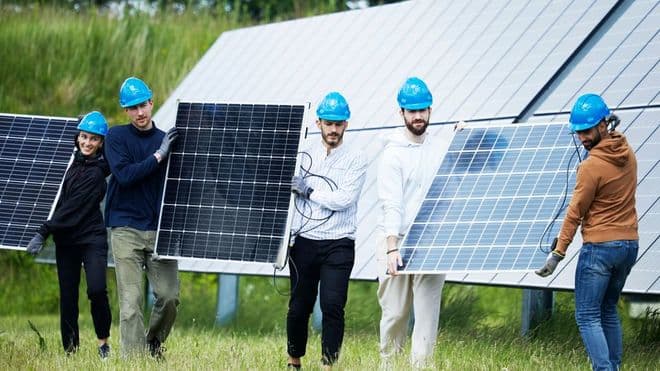
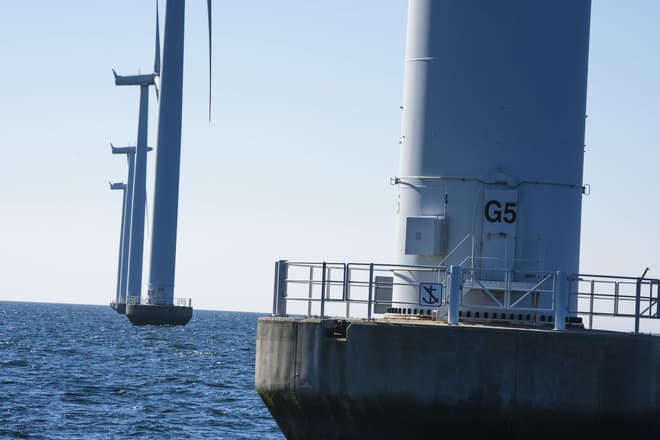
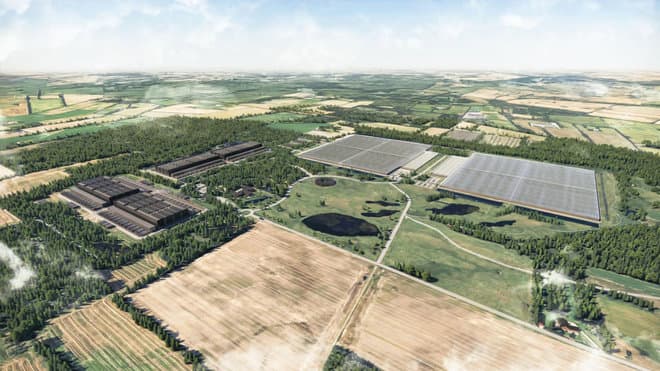
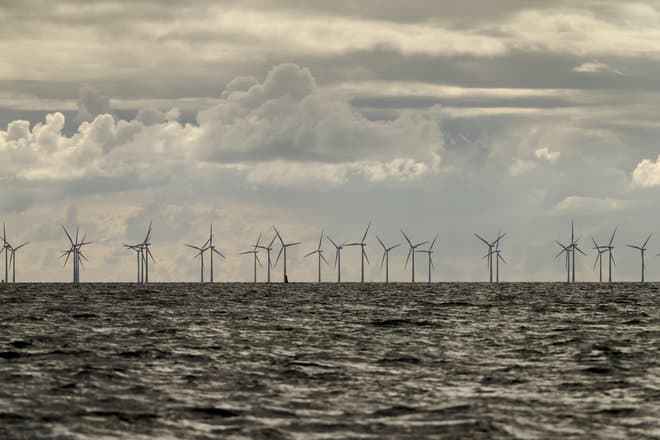
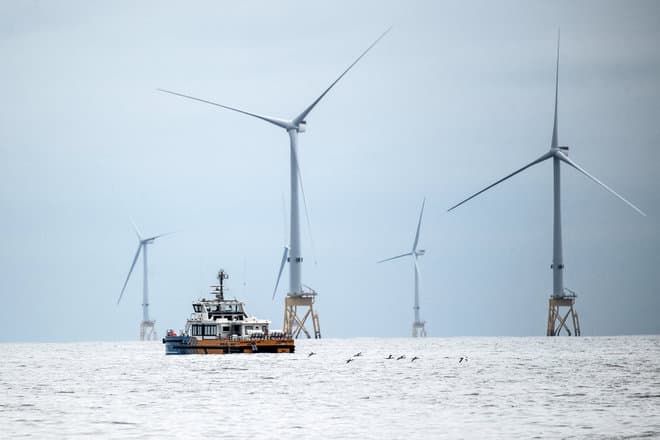
The company has been involved in the expansion of renewable energy in Lithuania since 2021. The first project was established at Anykšciai, and since then almost 400 MW of wind and solar energy have been built. In addition, European Energy today has a development portfolio of over 800 MW in the country.
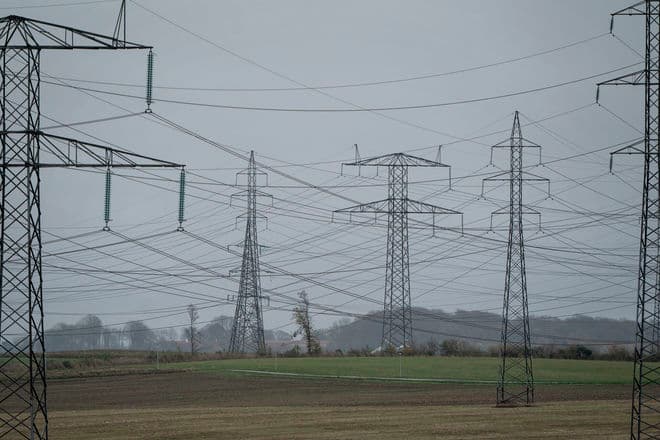
The company pointed out that the Baltic country is leading the way in the energy transition. The expansion of renewable energy in Lithuania has taken place in line with political objectives to reduce dependence on imported fossil fuels. By the end of 2025, the total installed capacity for wind and solar energy was 5.1 GW, compared to just over 1 GW in 2021.
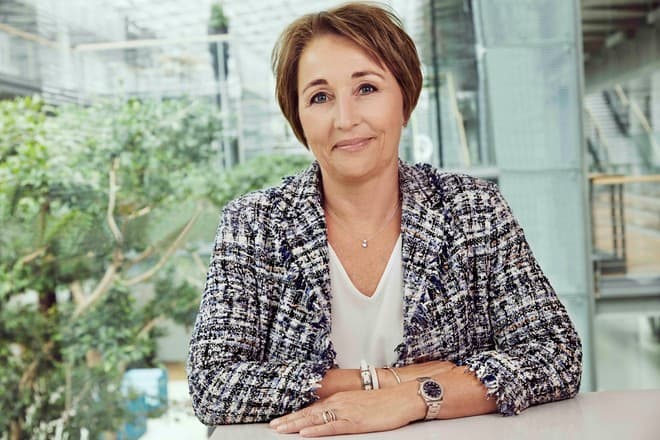
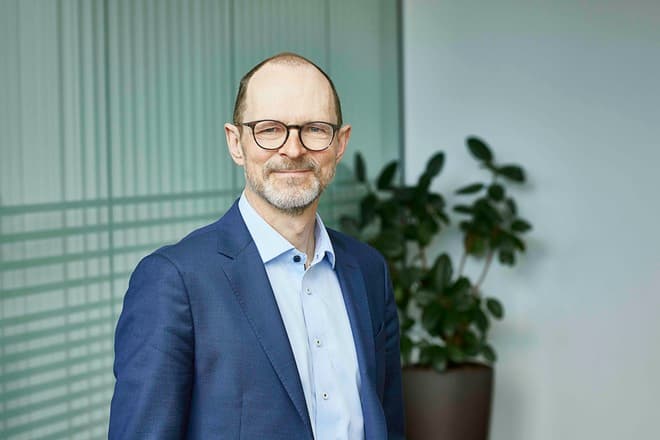
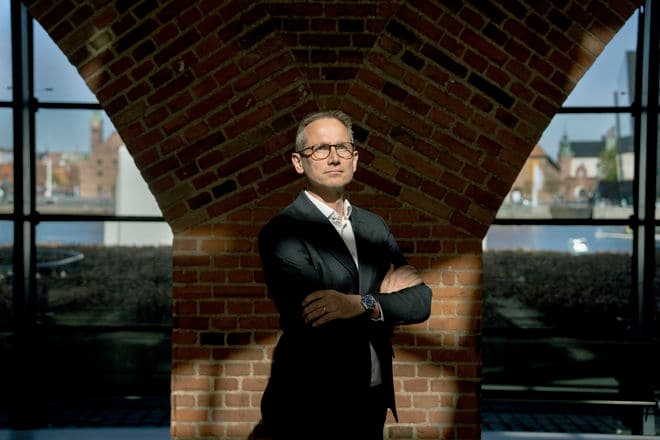
- The expansion of the Lithuanian energy infrastructure shows how quickly energy production can be converted when there is a clear political framework and stable investment conditions. In just a few years, energy production has shifted from fossil fuels to renewable energy sources, says Thorvald Spanggaard, EVP and Project Director at European Energy.
Lithuania aims to have its entire electricity supply come from renewable energy by 2030, while also becoming a net exporter of electricity. Today, over 75 percent of electricity production comes from renewable energy sources, with wind and solar together accounting for more than 60 percent of the electricity mix.
Text, graphics, images, sound, and other content on this website are protected under copyright law. DK Medier reserves all rights to the content, including the right to exploit the content for the purpose of text and data mining, cf. Section 11b of the Copyright Act and Article 4 of the DSM Directive.
Customers with IP agreements/major customer agreements may only share Danish Offshore Industry articles internally for the purpose of handling specific cases. Sharing in connection with specific cases refers to journaling, archiving, or similar uses.
Customers with a personal subscription/login may not share Danish Offshore Industry articles with individuals who do not themselves have a personal subscription to Danish Offshore Industry.
Any deviation from the above requires written consent from DK Medier.