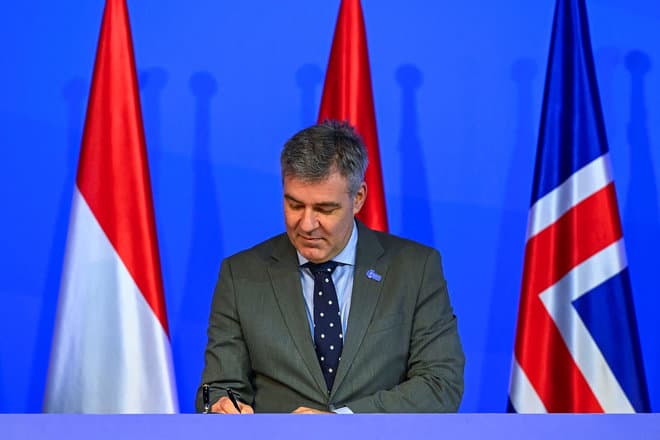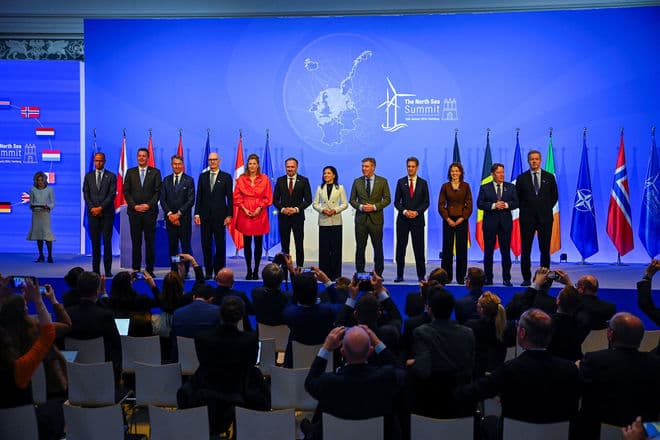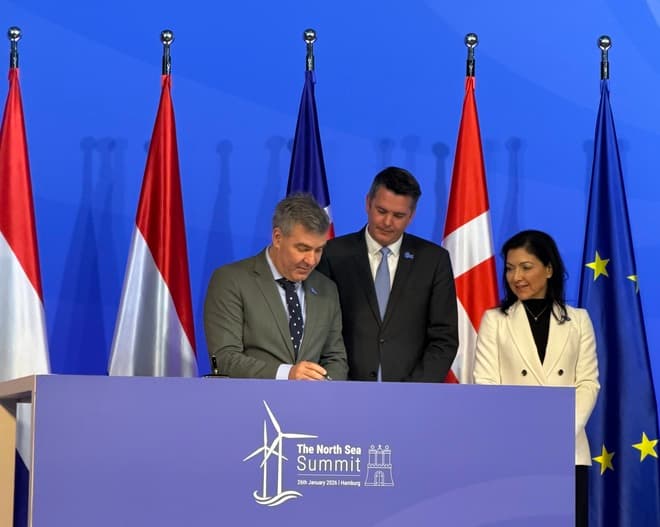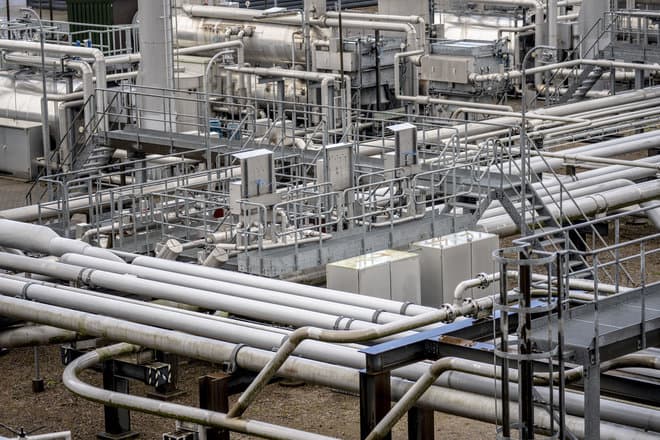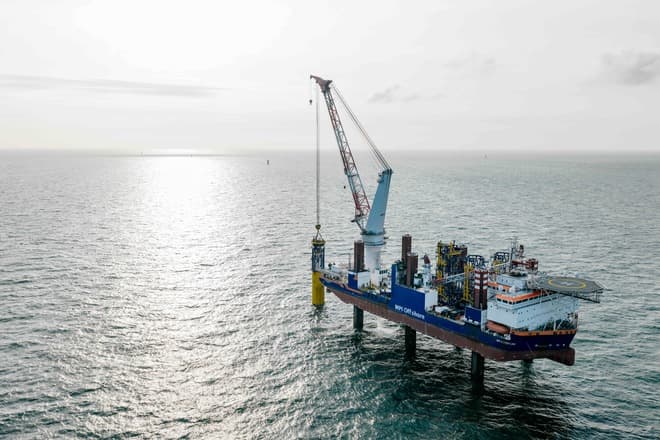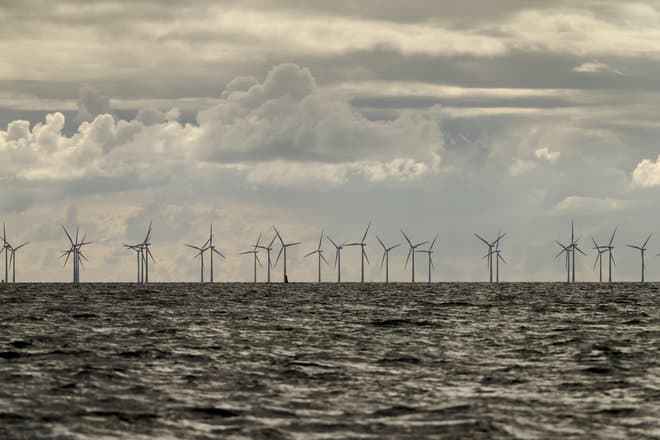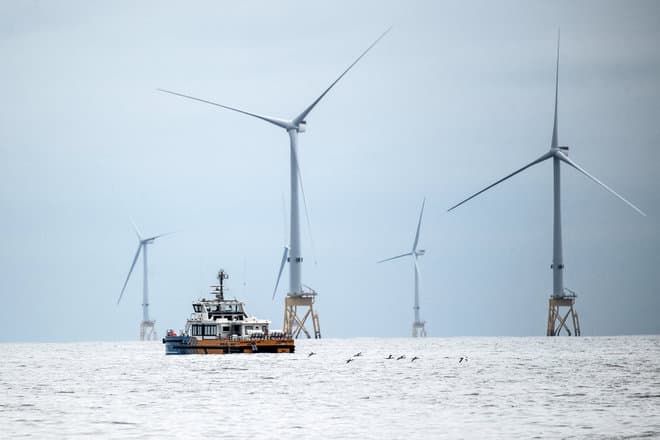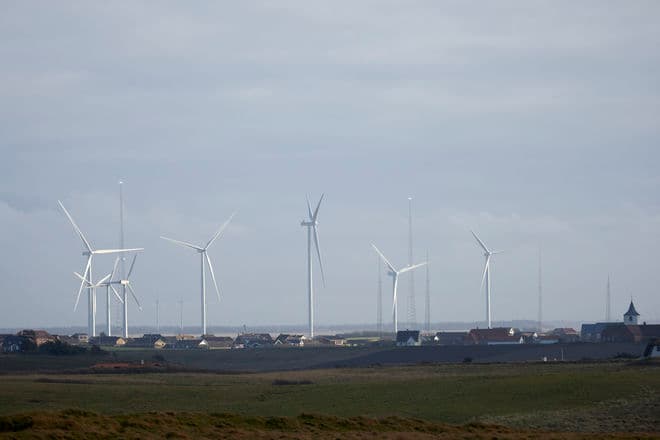
Wind turbines at sea will help make Denmark and the rest of Europe self-sufficient in energy. That is the vision behind a new agreement that a number of European energy ministers signed on Monday during a summit in the German city of Hamburg. The agreement aims to deliver 100 gigawatts of offshore wind in the North Sea.
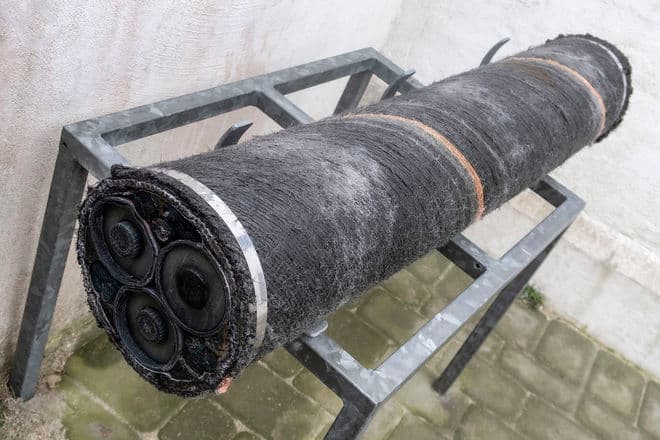
Participating in it are Denmark, Germany, the United Kingdom, France, Norway, Iceland, Ireland, the Netherlands, Belgium and Luxembourg. The countries want offshore wind farms that are connected to several nations via undersea cables.
Monday's signatures are to contribute to the European goal, set back in 2022, of doubling the amount of electricity from offshore wind in the North Sea and building capacity to 300 gigawatts by 2050.
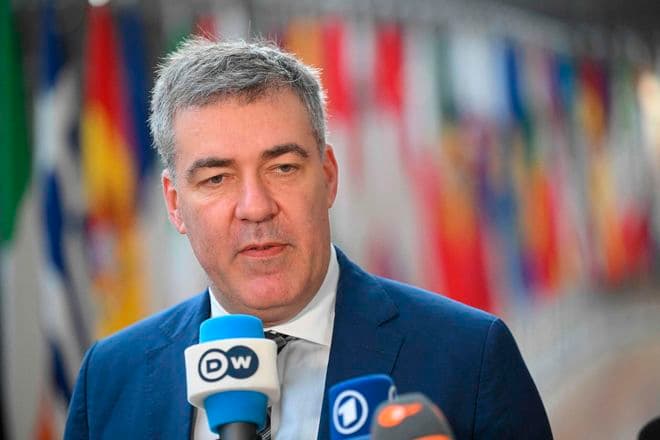
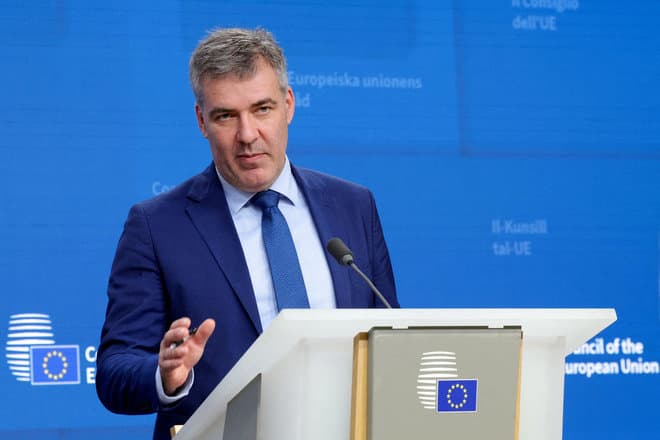
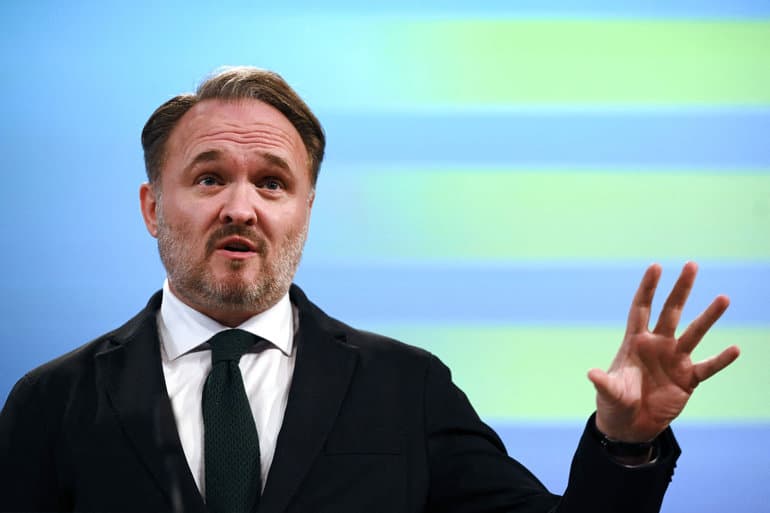
The EU's Energy and Housing Commissioner, Dan Jørgensen (S), welcomes the new agreement.
- We need to have our own home-grown energy instead of being dependent on imports from outside, he said at a short press conference, which was shown on the European Commission's website, after the summit.
Here Dan Jørgensen referred to the EU's decision to stop importing Russian energy.
- It is a historic decision that means that we no longer allow Putin (Russian President, Vladimir Putin, ed.) to blackmail us or use energy as a weapon against us.
- Of course, it also means that we no longer provide indirect help to finance the Kremlin's war.
At the same time, he made it clear that more wind turbines contribute to the fight against climate change, and that it is a cheaper energy source, which can lead to lower electricity prices.
Researcher: The North Sea may be the most ideal place in the world for offshore wind
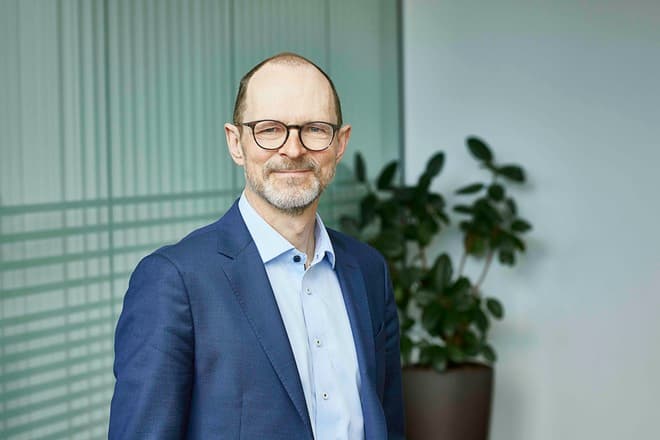
Jens Nørkær Sørensen, a professor at the Department of Wind and Energy Systems at DTU, where he conducts research on wind turbines, is positive about the new agreement.
- I applaud you. Wind energy has stagnated in recent years. But now it seems that something is happening, he says.
According to the researcher, the North Sea is an obvious place to build wind turbines.
- There are good wind conditions, and the water depths are shallow. It minimizes the costs when building wind turbines, because it is not so far from the seabed. That is why the North Sea is perhaps the most ideal place in the world for building wind turbines at sea, says Jens Nørkær Sørensen.
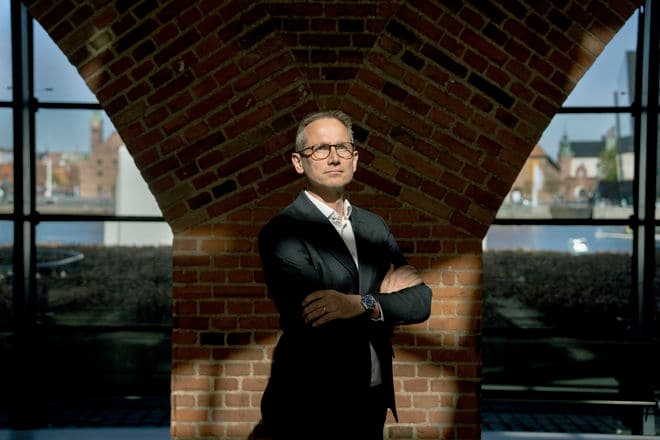
Torsten Hasforth, chief economist at the green think tank Concito, believes, however, that it is important to remember that the wind turbine ambitions have long-term prospects.
- The agreement does not lead directly to more wind turbines and more green electricity. It is an intention and a vision for more offshore wind turbines. But hopefully the agreement will make it easier for offshore wind turbine projects to get up and running, because they know they have political support, he says.
According to Torsten Hasforth, the time horizon is that the projects will not be realized until the 2030s and 2040s.
- If offshore wind turbines are to really come up, it requires that we electrify Europe even more and even faster than today, he adds.
Jens Nørkær Sørensen also emphasizes that the right conditions must be present before the massive expansion of offshore wind can be realized.
- It is a really uncertain industry, so you have to make sure that there are good conditions. Otherwise, no one will invest in it, says the researcher.
In December 2024, a government tender for the construction of three offshore wind farms in the North Sea foundered, with the Danish Energy Agency not receiving a single bid. A new tender for offshore wind farms came out in November last year. This time it was with a government guarantee of a minimum price for the electricity the wind turbines produce.
/ritzau/
Text, graphics, images, sound, and other content on this website are protected under copyright law. DK Medier reserves all rights to the content, including the right to exploit the content for the purpose of text and data mining, cf. Section 11b of the Copyright Act and Article 4 of the DSM Directive.
Customers with IP agreements/major customer agreements may only share Danish Offshore Industry articles internally for the purpose of handling specific cases. Sharing in connection with specific cases refers to journaling, archiving, or similar uses.
Customers with a personal subscription/login may not share Danish Offshore Industry articles with individuals who do not themselves have a personal subscription to Danish Offshore Industry.
Any deviation from the above requires written consent from DK Medier.