The future of space shortages :
Wind turbines in polluted areas, solar energy on municipal buildings and sheep under solar parks
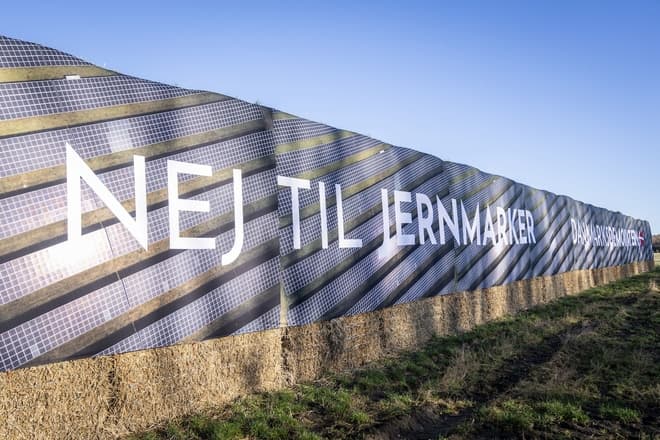
MIDDELFART: Denmark is too small. At least if all the climate solutions that are on the drawing board are to be established on the country's land. This applies to areas with biodiversity, the installation of wind turbines and solar parks, among other things. Because in addition to climate solutions, land must also be used for food production, water drilling and housing, to name just a few of the things that take up space in the landscape.
1.4 times Denmark's land area will be needed, unless several of the solutions can interact with each other and overlap. This was discussed at last week's Climate People's Meeting.
- If we just take the entire climate initiative, we measure in columns, but there are a lot of cross-cutting things. So how are we going to use the land when so many of the solutions require land? We need to find comprehensive solutions that can work across the columns in practice. The landscape has functions such as production, drinking water and habitation. These various things must be able to work together. That is why it is not possible to only deal with one element at a time, says Søren Møller from Collective Impact.
When the space is to be optimized, it is possible to investigate which climate solutions can be established so that they overlap.
- We must have a multifunctional mindset. We must look at the areas and see how the different solutions can interact with each other. On the overall agenda, we must uplift the rural districts. How can we make areas more beautiful and better places? says Møller.
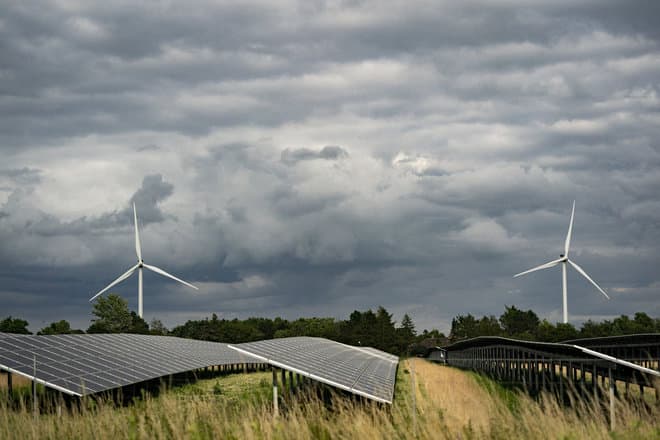
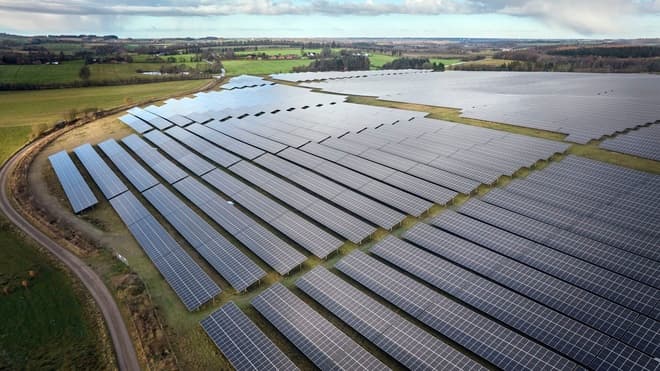
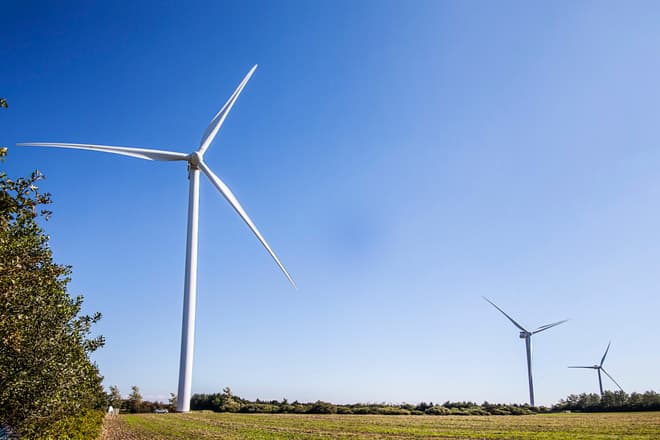
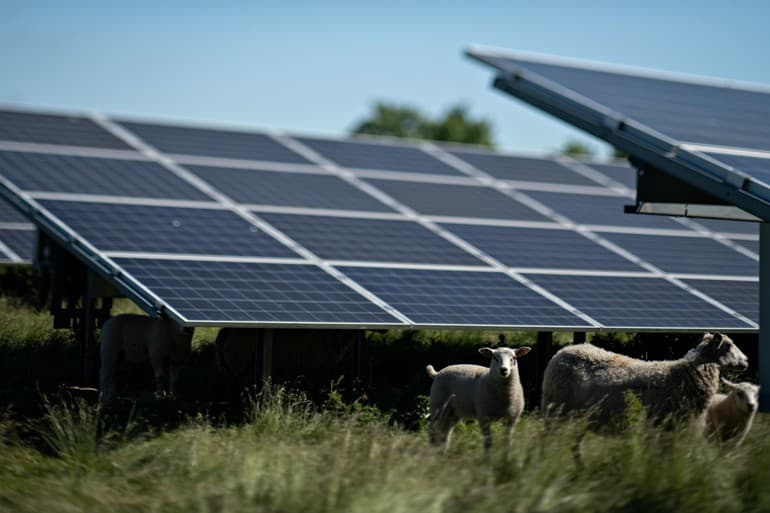
For example, sheep can graze under solar cells, wind turbines can be set up in polluted areas and plants with low sunlight needs can be grown under solar cell parks.
Rural areas must be compensated
- A paradigm shift is necessary, because there cannot continue to be one agenda after another. We must carry out rural renewal and development. That is the right approach. The landowners must of course be compensated so that they do not stand in the way. Compensation and taxation must be paid. We can negotiate with the landowners, because these changes benefit the entire country, says Møller.
It is primarily in rural areas that wind farms, solar farms and water wells are established. Here Møller's proposal for compensation is compensation and taxation. He believes that there is a way forward to succeed in establishing green solutions.
- If we can carry out urban renewal, we can also create new energy parks in the countryside, says Møller.
Not everything can be in harmony
In Denmark, we drink our groundwater. A natural source of clean water, which can be in danger if you are not careful about where you place industries that pollute.
- Many people just think that when the water comes out of the tap, there is no problem. But we have groundwater, so we live on top of our water. We need large amounts of water, and it is only treated very simply now before it is ready for consumers. But unfortunately we can see a development in consumption, for example PFAS and microplastics, and some of it ends up in the groundwater. If we do not change this, clean groundwater will become a very scarce resource, says Susan Münster, director of Danske Vandværker.
It must be carefully considered where the different climate solutions are implemented to ensure that the country's area is used as efficiently as possible.
- We should not rush to such an extent that we rush. One year from now or next does not make a difference in relation to a change in an area that can stand for 500 years, says Møller from Creative Impact.
Text, graphics, images, sound, and other content on this website are protected under copyright law. DK Medier reserves all rights to the content, including the right to exploit the content for the purpose of text and data mining, cf. Section 11b of the Copyright Act and Article 4 of the DSM Directive.
Customers with IP agreements/major customer agreements may only share Danish Offshore Industry articles internally for the purpose of handling specific cases. Sharing in connection with specific cases refers to journaling, archiving, or similar uses.
Customers with a personal subscription/login may not share Danish Offshore Industry articles with individuals who do not themselves have a personal subscription to Danish Offshore Industry.
Any deviation from the above requires written consent from DK Medier.