A new method for better forecasts and machine learning has enabled Energinet to reduce the need for purchasing reserves to balance the electricity grid. Energinet implemented Dynamic Dimensioning on January 22, 2025, and after the first week, the method has already resulted in savings of approximately DKK 1.1 million.
Dynamic Dimensioning makes it possible to calculate the reserve requirement more precisely. Using forecasts and historical data, it is assessed how much reserve capacity needs to be purchased, depending on factors such as the weather and electricity consumption. If the savings continue at the same level, this could correspond to approximately DKK 50 million per year. Energinet spends approximately DKK 2-2.5 billion per year on system services, Energinet states in a press release.
- We have been using Dynamic Dimensioning for our purchase of reserve capacity for a week now and it has exceeded all expectations. In fact, when we compare the days with the old method for purchasing, we can see that we have already saved quite a lot of money. Multiplied over a year, it looks quite promising, says Thomas Dalgas Fechtenburg, Head of System Services.
Dynamic Dimensioning will reduce the costs of system services that Energinet will cover through the system tariff and thus reduce the total electricity bill.
More RE makes Dynamic Dimensioning more important
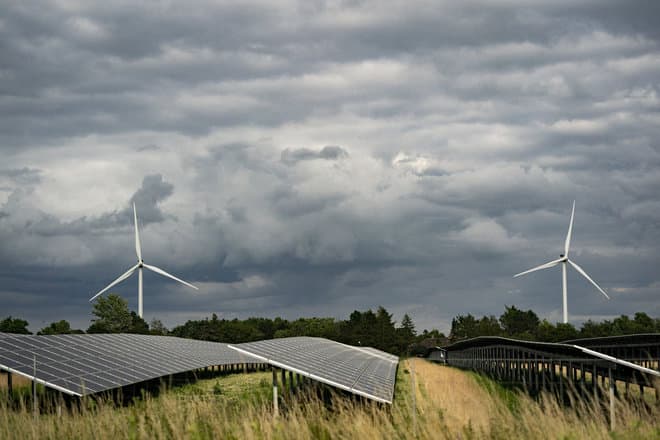
The method is expected to become more important as the amount of electricity from renewable sources grows, which increases the need for flexible and precise management of system services.
- Dynamic Dimensioning is a significant step towards strengthening the operational reliability of the electricity grid. When we purchase the reserves that may actually be needed, we create a more robust and efficient balance in the electricity grid. We do this by being able to predict an increased reserve requirement in high-risk periods, for example in the hours around a large wind front, and by reducing the reserve requirement in low-risk periods, such as a calm and cloudy day, when it is easier to predict the need for reserve capacity, says Thomas Dalgas Fechtenburg.
Energinet's new common Nordic dimensioning method in combination with dynamic dimensioning is cutting edge.
With the previous model, there was a constant need for system services of 600 MW in DK2 and 300 MW in DK1. With the new model, the number has been reduced to approximately 800 MW in total. Apart from Elia in Belgium, Energinet is not aware of any other TSOs in the world that work with a similar version of Dynamic Dimensioning.
amp
Text, graphics, images, sound, and other content on this website are protected under copyright law. DK Medier reserves all rights to the content, including the right to exploit the content for the purpose of text and data mining, cf. Section 11b of the Copyright Act and Article 4 of the DSM Directive.
Customers with IP agreements/major customer agreements may only share Danish Offshore Industry articles internally for the purpose of handling specific cases. Sharing in connection with specific cases refers to journaling, archiving, or similar uses.
Customers with a personal subscription/login may not share Danish Offshore Industry articles with individuals who do not themselves have a personal subscription to Danish Offshore Industry.
Any deviation from the above requires written consent from DK Medier.