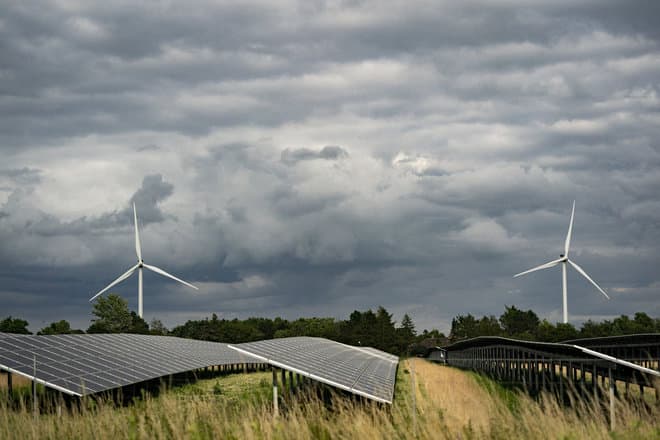
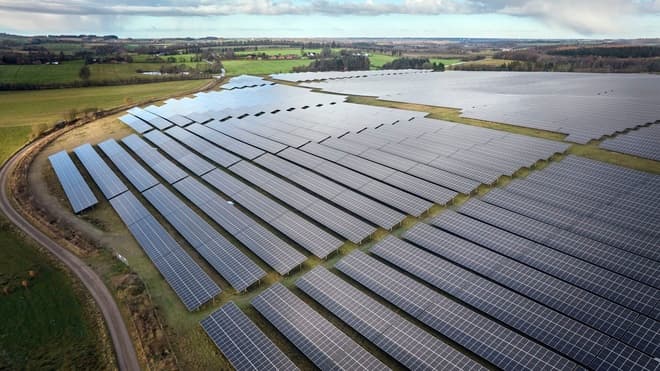
More and more solar cell systems will be installed in the coming years, pushing the electricity system towards 100 percent green energy. But what may sound like really good news is not exactly a cause for celebration among energy networks. Some of the large plants' operating patterns are thus of concern to the public company.
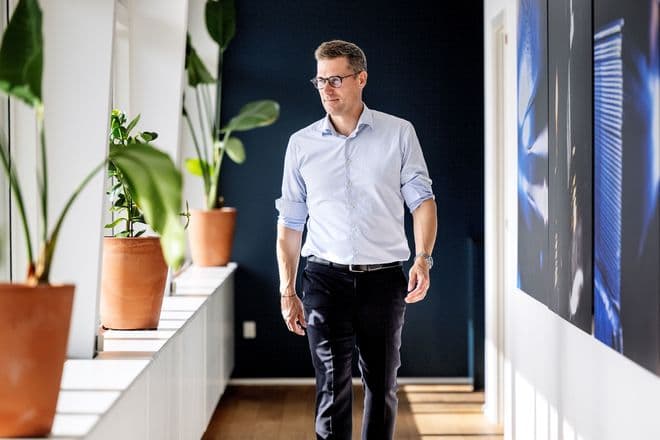
- Some plants have made agreements with companies to produce electricity that corresponds to the companies' annual consumption, and therefore they will produce all they can when the sun is shining, without considering how much electricity is actually needed in the individual hours, says Klaus Winther, deputy director and head of system operations at Energinet in a press release.
Such situations can cause problems for the electricity grid, says Klaus Winther.
- There will be no skeleton at current market prices, and if we look just a few years ahead, we risk having a row of solar cell plants on a cloudless day - each as large as power plants - that produce far more electricity than is actually needed. This will create severe imbalances and risks bringing the electricity system to its knees, he says.
Klaus Winther emphasizes that he is neither opposed to the solar cell plants' PPA agreements (Power Purchase Agreement) with individual companies nor to the large amount of new green production that the solar cell plants can produce. There is a need for green electricity, but he urges that the plant owners not only focus on total annual production, but also look at how they can benefit both themselves and the electricity system in the present by acting flexibly.
Not aware of challenges
To be part of the green transition, it is not enough to build green plants, you also have to act flexibly, believes Klaus Winther. Because a completely green electricity system is fundamentally different in several areas from the electricity system we have known for decades, he points out.
- We are moving from an electricity system where we have adapted electricity production to electricity consumption every day, every minute, to a system where most of the electricity comes from far away, "as the wind blows" and "the sun shines", and furthermore, production is made both geographically and temporally different from consumption, he says.
Because the solar cell area is developing rapidly with many new players on the market, Klaus Winther experiences that some installers are not aware of the problems they can create for the Danes' electricity supply security. They are also not aware of the opportunities to make money from up- or down-regulation and other system services.
- Some players are not "bottled up" in the electricity system. I don't blame anyone for not knowing all the technical details, but these plants are as big as the largest power plants, and we need to work together to solve the problems they can create and take advantage of the opportunities to act flexibly. If we turn a blind eye, we risk the electricity system collapsing and large parts of the country experiencing power outages, he says.
amp
Text, graphics, images, sound, and other content on this website are protected under copyright law. DK Medier reserves all rights to the content, including the right to exploit the content for the purpose of text and data mining, cf. Section 11b of the Copyright Act and Article 4 of the DSM Directive.
Customers with IP agreements/major customer agreements may only share Danish Offshore Industry articles internally for the purpose of handling specific cases. Sharing in connection with specific cases refers to journaling, archiving, or similar uses.
Customers with a personal subscription/login may not share Danish Offshore Industry articles with individuals who do not themselves have a personal subscription to Danish Offshore Industry.
Any deviation from the above requires written consent from DK Medier.