Sustainability :
Siemens Gamesa: What the future holds for subcontractors in the wind turbine industry
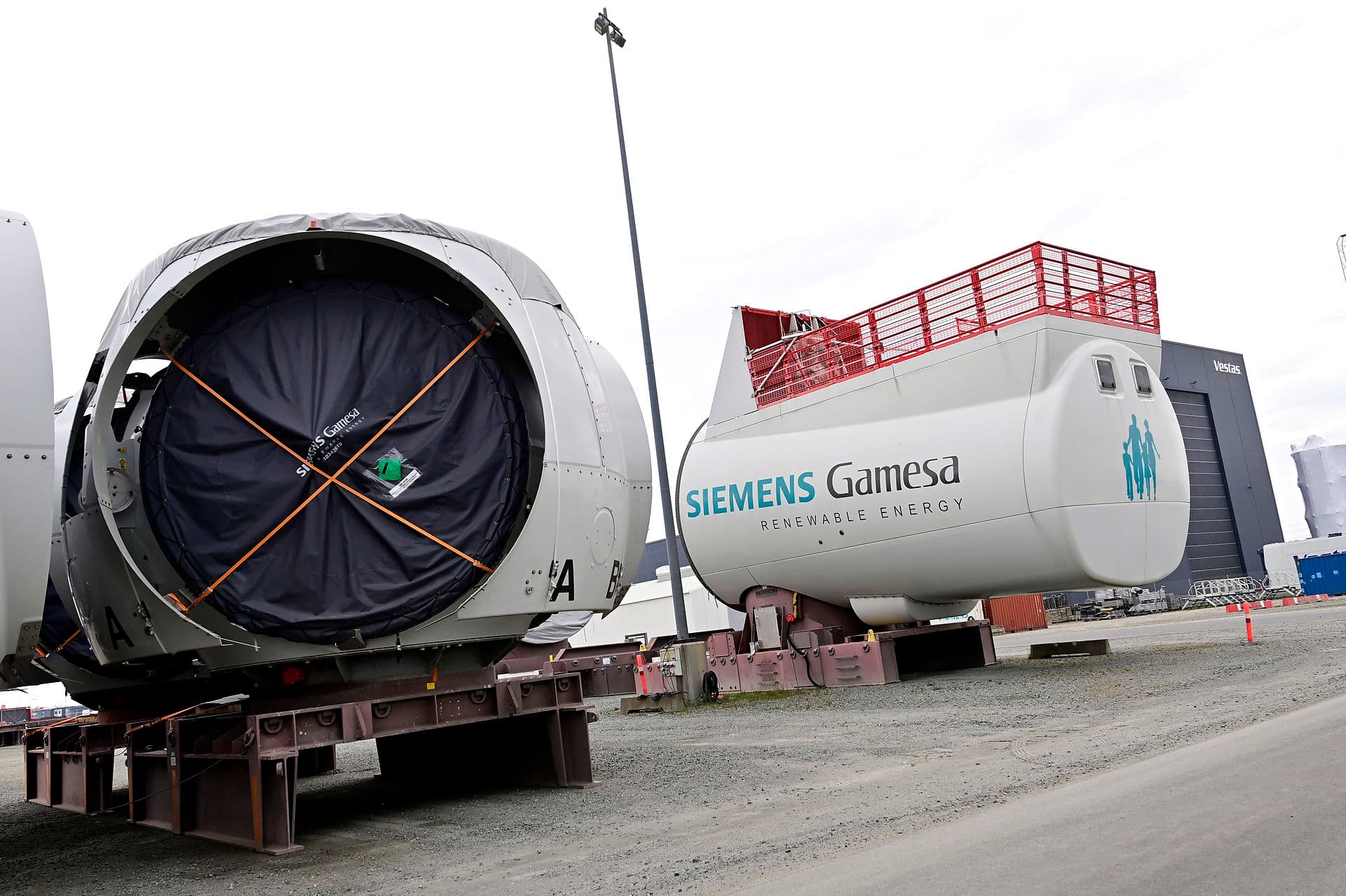
There is nothing wrong with the goal at Siemens Gamesa, because even though the world's second-largest turbine manufacturer is already making the world greener with every wind turbine it produces, it is not enough. The ambitions are much higher.
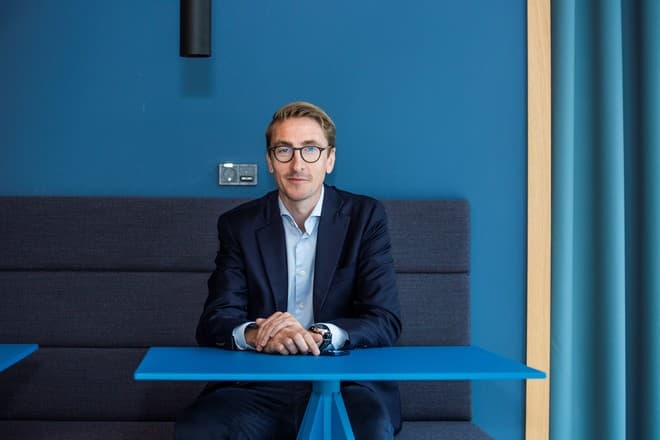
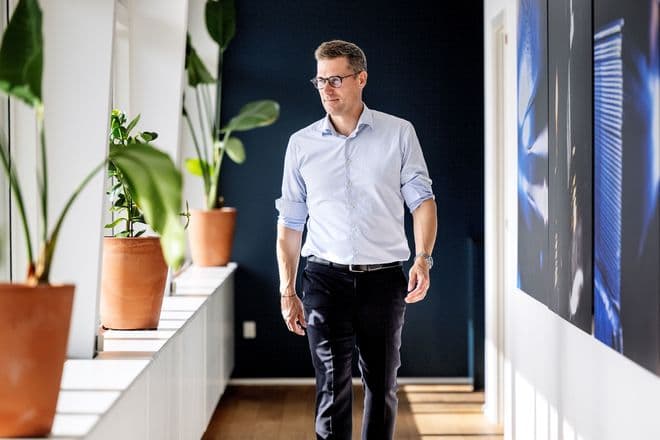
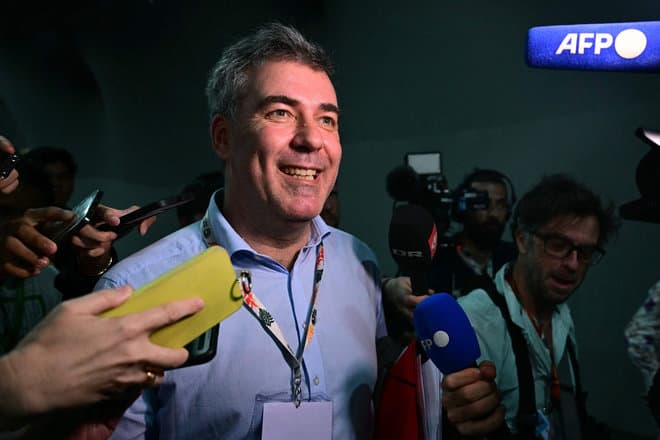
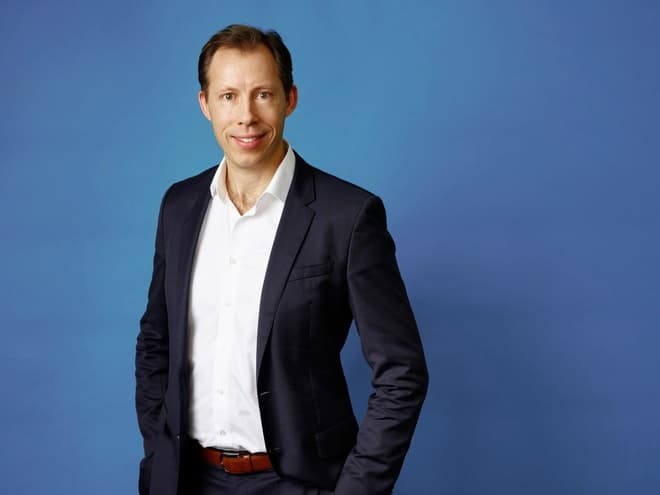
- We are in a really good place compared to other industries. But that does not change the fact that we must be even better and continue the planned path to decarbonize our footprint. It is a path that we are taking together with our subcontractors, says Dr. Maximilian Schnippering, who leads Siemens Gamesa's supply chain sustainability team.
It is a huge chain of very different suppliers.
- We have 20,000 suppliers in more than 50 countries. One of our priorities is to work together with suppliers and find opportunities for improvement. We aim to bring our suppliers on our decarbonisation journey, so that together we can find improvements and achieve the goal of net zero emissions by 2040, explains Maximilian Schnippering.
It is a priority that reflects the partnership that Siemens Gamesa has with its suppliers. The entire value chain must be engaged if the goal is to be achieved. This also places demands on suppliers.
- The perfect supplier works towards decarbonisation from two sides. Work must be done both in the short and long term. This means that we recommend increased transparency now with their footprint and at the same time in the long term by developing objectives with science-based targets, explains Maximilian Schnippering.
The concept of sustainability itself has evolved over the past few years. Sustainability has evolved to revolve around the environment, social issues and even the form of governance of individual countries. Today, sustainability even includes violations of human rights.
- We have developed a fine-grained risk & performance management system at Siemens Gamesa.
- All suppliers commit to our code of conduct, and they are constantly screened. We use various external suppliers to assess our suppliers' performance in sustainability, says Maximilian Schnippering, who wrote his PhD on the relationship between companies' social and financial performance.
- At the same time as we assess the suppliers' sustainability level, we have found a number of focus areas where we go further than Tier 1 suppliers, for example with the melting pots and mines, he explains.
The war in Ukraine has also marked a shift, because it has meant that a "new risk" assessment has been implemented at Siemens Gamesa. Now the higher risk is assessed, for example for war in non-democratic countries and interference in financial support for war or other conflicts. With the higher standards and requirements, new challenges arise. Some raw materials are only extracted in China, and these raw materials will very quickly become scarce if China were to be sanctioned by the EU, for example.
- Until a few months ago, it was not an issue at all. Now we look closely at our supply chain and ask each time: Is there a risk that this country could be subject to sanctions, and what consequences would that have for Europe's green transition, says Maximilian Schnippering
The crucial steps
A wind turbine consists of several thousand different parts, but very few parts are absolutely crucial when it comes to CO2 emissions.
- With less than 50 parts of the wind turbine, we can reduce CO2 emissions by as much as 80 percent, says Maximilian Schnippering.
One material is already at the forefront of becoming greener, and that is steel. Depending on the model and manufacturer, steel makes up between 60 and 80 percent of the entire mass of the mill.
- If we replace conventional steel with green steel, it will be a significant improvement. Normally, approximately two tons of CO2 are emitted for each ton of steel produced. With green steel, emissions can be reduced to less than 0.5 tons of CO2 per ton of steel produced.
In the coming years, we will offer our customers this option, so that they can choose green steel or conventional steel, says Maximilian Schnippering.
It is a difficult choice for customers, because green steel is more expensive and meets much higher requirements than today's legislation requires. Here, legislation at EU level could make a decisive difference.
- We recommend and support legislation that reflects qualitative criteria such as sustainability alongside price as a decisive factor, says Maximilian Schnippering.
There is one thing that is important for experts who work with sustainability every day.
- Sustainability is too important to blame each other for not doing it well enough. Instead, we must all work together and address the right issues. Interpersonal communities together with companies can create the focus on the right legislation that makes it possible to achieve the sustainability goals, explains Maximilian Schnippering.
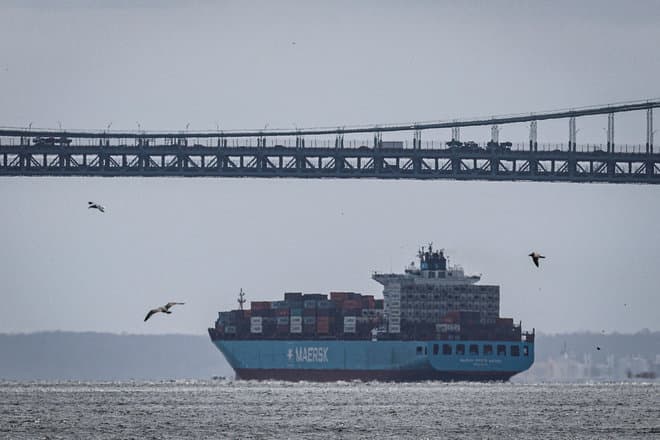
In May 2022, Siemens Gamesa joined the international SteelZero, which is led by the Climate Group together with Responsible Steel, Iberdrola, Vattenfall, BA Wind, Volvo A.P. Møller Mærsk and Ørsted.
Text, graphics, images, sound, and other content on this website are protected under copyright law. DK Medier reserves all rights to the content, including the right to exploit the content for the purpose of text and data mining, cf. Section 11b of the Copyright Act and Article 4 of the DSM Directive.
Customers with IP agreements/major customer agreements may only share Danish Offshore Industry articles internally for the purpose of handling specific cases. Sharing in connection with specific cases refers to journaling, archiving, or similar uses.
Customers with a personal subscription/login may not share Danish Offshore Industry articles with individuals who do not themselves have a personal subscription to Danish Offshore Industry.
Any deviation from the above requires written consent from DK Medier.