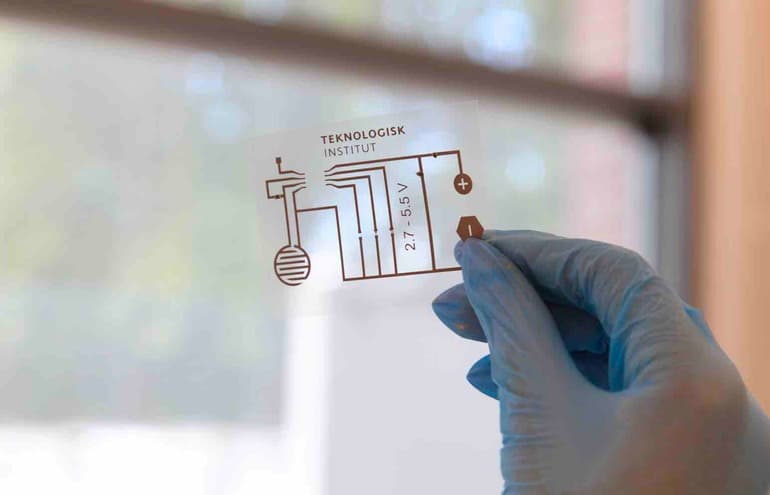
Danish electronics companies are now getting help to reduce resource consumption and CO2 emissions by up to 30 percent through new circular solutions. The goal is to make Denmark a pioneer in sustainable electronics production. This is stated by the Danish Technological Institute in a press release.
83 percent of the world's electronic waste is lost or handled irresponsibly. This must change significantly with a new targeted effort, where the Danish Technological Institute, in collaboration with the production cluster MADE and with support from the Danish Industry Foundation, helps Danish companies implement circular production methods.
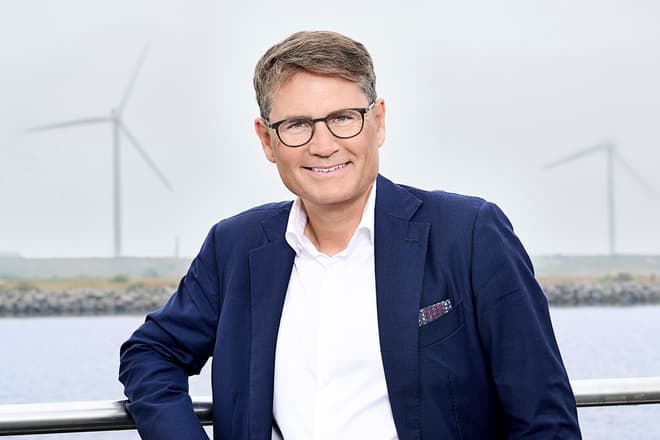
- The project is based on the EU's Ecodesign regulation, which sets new requirements for circularity. The project will help companies implement new circular solutions in production in an industry that is among the most problematic from a resource perspective, says Anders Ziegler Kusk, program manager for sustainable production at the Danish Industry Foundation.
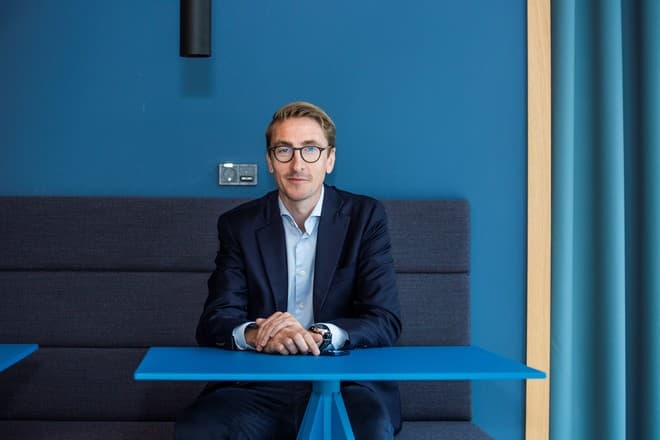
- We need to gain new knowledge about how we develop specific tools and methods that make it easier and cheaper for companies to reuse components and repair electronic products such as printed circuit boards. In MADE, we have helped companies automate the assembly of printed circuit boards, now we need to show that it is possible to disassemble components and reuse them, so that the process becomes circular rather than linear. It is crucial that some companies have the courage and will to lead the way,
says MADE CEO Nigel Edmondson.
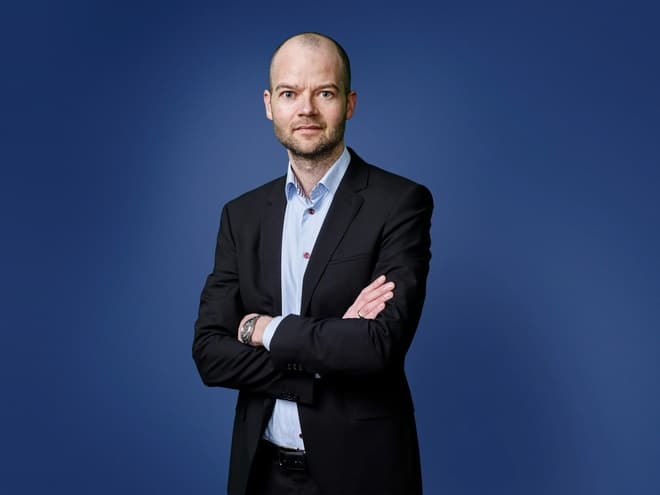
- We need to fundamentally rethink the way we produce electronics. By designing for reuse and repair, companies can both reduce their environmental impact and strengthen their competitiveness in a market where the EU is making increasingly stringent demands on the durability of products, says Zachary Davis, deputy director at the Danish Technological Institute.
jel
Text, graphics, images, sound, and other content on this website are protected under copyright law. DK Medier reserves all rights to the content, including the right to exploit the content for the purpose of text and data mining, cf. Section 11b of the Copyright Act and Article 4 of the DSM Directive.
Customers with IP agreements/major customer agreements may only share Danish Offshore Industry articles internally for the purpose of handling specific cases. Sharing in connection with specific cases refers to journaling, archiving, or similar uses.
Customers with a personal subscription/login may not share Danish Offshore Industry articles with individuals who do not themselves have a personal subscription to Danish Offshore Industry.
Any deviation from the above requires written consent from DK Medier.