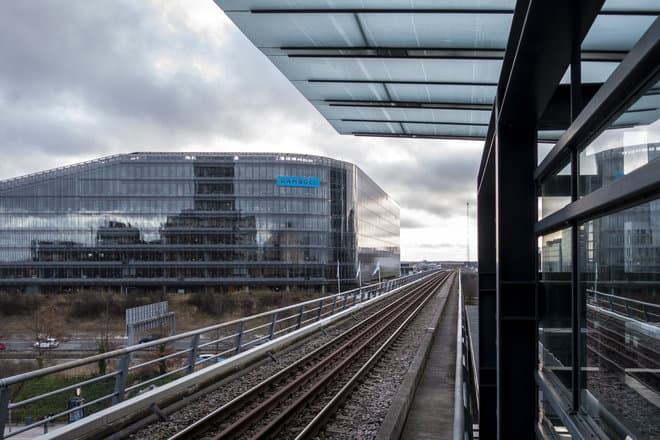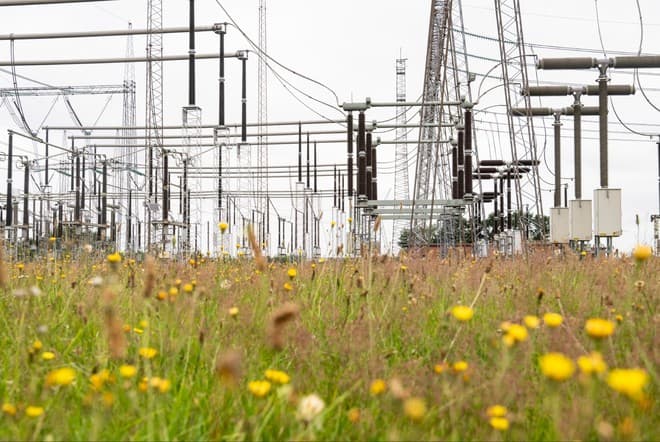
Expanding the electricity grid will cost 110 billion DKK, cf. an analysis prepared by the consultancy Rambøll, which was published in March. In 2020, it was estimated that the electricity grid of the future would cost 80 billion DKK. The increase is due to higher political ambitions for a greater degree of self-sufficiency in renewable energy.
Now the Danish Environmental Protection Agency is providing millions to the joint public data collaboration Denmark's Environment Portal to improve the IT infrastructure around environmental data that relates to the expansion of renewable energy and the electricity grid. This is being done in collaboration with the DREAMS project at Aalborg University and state-owned Energinet.
- It can easily take over five years from the time a renewable energy project is decided until it gets underway. For a very modest amount, we can significantly accelerate the process of environmental assessments, and we expect to have it ready by the end of 2023, says Nils Høgsted, who is the head of the secretariat at the Danish Environmental Portal, which has worked for a number of years to strengthen the IT infrastructure around environmental data, in a press release.
Energinet: Speed is crucial
As the developer, Energinet will be responsible for a large part of the enormous expansion of the electricity grid in the coming years.
- Wind turbine and solar cell plants are often located far away from residential areas. But then there is neither infrastructure nor people to use the electricity. So new stations, overhead lines and cables must be built that connect to the main grid, the major cities and abroad, says Peter Kruse Ibsen, Senior Director Planning and Environment at Energinet, who is also on the steering committee for the project.
Every time Energinet has to implement a project, an environmental assessment must be carried out to ensure that they do not cause unnecessary damage to, for example, the environment or biodiversity. According to Energinet, this requires a lot of data, which they usually have to obtain from many different places such as species databases, internal websites and municipalities.
- Therefore, it is central for us to increase the speed of the many applications for facilities and infrastructure projects if we are to achieve our goals. Denmark's Environmental Portal will ensure that the nationwide data is updated and easily accessible in one place, so that we can get the permits faster, says Peter Kruse Ibsen, Senior Director Planning and Environment at Energinet, who is also on the steering committee for the project.
The Danish Environmental Agency: Collection of scattered environmental data
The Danish Environmental Agency sees a great need to collect more environmental data based on an increasing number of environmental studies, and to increase the speed of the expansion of the electricity grid.
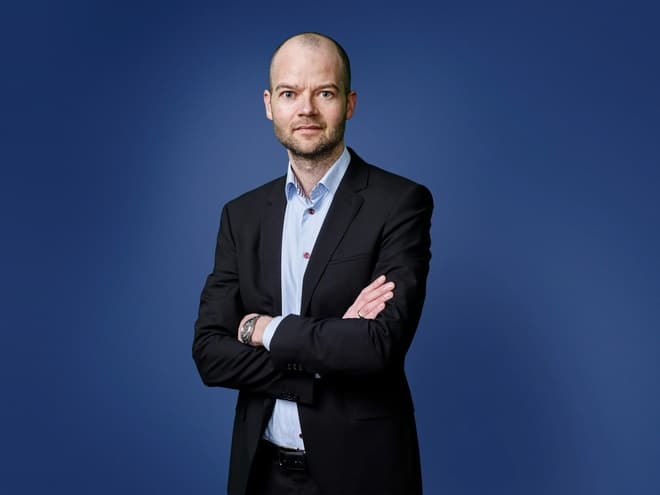
- A lot of data already exists, and although there has been a long time of work to collect it, much is still scattered in different places. Ideally, they should be accessible from the same platform, so that with just a few clicks you can get an overview of what is available and see what challenges a project can create and where the best possible location is, says Niels Bjørkbom, head of department at the Danish Environmental Protection Agency.
- Once you have optimized the location of the project, it will also be easier for the authorities to make a decision. In addition, the quick access to data will make it easier to prepare the application, which can also make the authorities make a quick decision, because it is easier to show that you have everything included. And overall, it should lead to less work for both the developer and the authorities and faster decision-making processes, he says.
The DREAMS project has previously estimated that digitalization and streamlining of knowledge from environmental assessments can mean savings of 30 percent.
According to Rambøll's analysis of the electricity grid of the future, around 50 billion DKK will be spent on wind power, 25 billion DKK on solar power, and 10 billion DKK on wind power. DKK for new international connections, while DKK 20 billion will be spent on solar cells. In addition, DKK 13 billion will be spent on expanding the electricity grid.
amp
Text, graphics, images, sound, and other content on this website are protected under copyright law. DK Medier reserves all rights to the content, including the right to exploit the content for the purpose of text and data mining, cf. Section 11b of the Copyright Act and Article 4 of the DSM Directive.
Customers with IP agreements/major customer agreements may only share Danish Offshore Industry articles internally for the purpose of handling specific cases. Sharing in connection with specific cases refers to journaling, archiving, or similar uses.
Customers with a personal subscription/login may not share Danish Offshore Industry articles with individuals who do not themselves have a personal subscription to Danish Offshore Industry.
Any deviation from the above requires written consent from DK Medier.