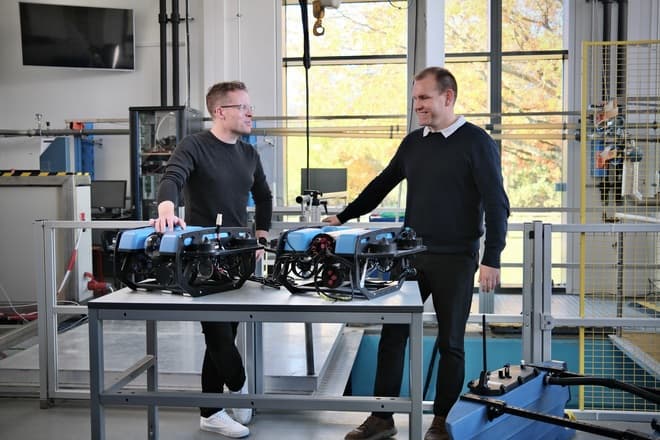
Denmark and the EU do not have the same industrial volume as China and the USA, but with a focus on recycling, niche markets and political action, we can ensure both security of supply and competitiveness in the battery sector. This is written by the Danish Technological Institute.
In the report Batteries in a Circular Economy, the Danish Technological Institute points to three strategic tracks that can strengthen Denmark's role in a more sustainable battery industry. This includes increasing the recycling of raw materials such as lithium and cobalt, developing specialized solutions for niche markets and promoting regulations that create a framework for investments in new battery technology.
- In the report, we map the market and point to concrete solutions. There are several ways forward to increase Denmark's contribution to a circular battery economy, strengthen security of supply and create new growth opportunities for Danish companies, says Mikkel Agerbæk, Director of the Danish Technological Institute.
The report identifies three key areas of focus that can contribute to Europe's competitiveness and security of supply:
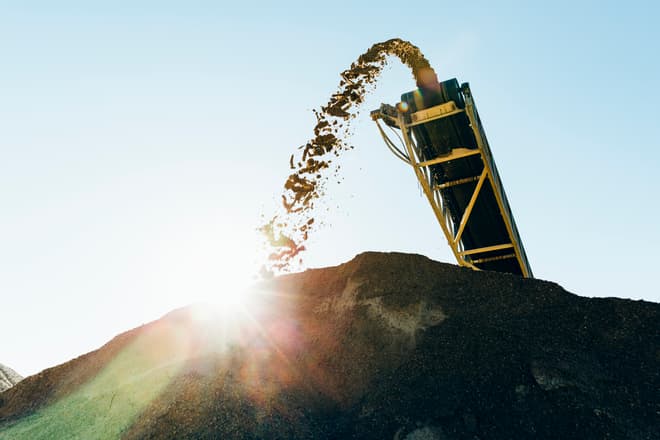
- Increased recycling: The EU must focus on recycling battery cells and raw materials such as lithium and cobalt to reduce dependence on imports from China.
- Niche production: Denmark and Europe can focus on developing tailored battery solutions for niche markets rather than mass production.
- Political action: A concerted effort with clear regulations and investments in battery technology and recycling is necessary to strengthen security of supply.
The report also highlights the EU's new battery regulation as a significant lever for the green transition. It requires manufacturers to be responsible for the entire battery life cycle – from design to reuse and recycling. With its expertise in the circular economy, Denmark has the opportunity to become a leading player in the development of high-tech, tailored battery solutions, says the institute.
- The new rules on battery replacement and recycling place great demands on companies, which must rethink both their production and supply chain. Our experts cover the entire value chain within batteries, and we are ready to advise the industry, says Mikkel Agerbæk.
amp
Text, graphics, images, sound, and other content on this website are protected under copyright law. DK Medier reserves all rights to the content, including the right to exploit the content for the purpose of text and data mining, cf. Section 11b of the Copyright Act and Article 4 of the DSM Directive.
Customers with IP agreements/major customer agreements may only share Danish Offshore Industry articles internally for the purpose of handling specific cases. Sharing in connection with specific cases refers to journaling, archiving, or similar uses.
Customers with a personal subscription/login may not share Danish Offshore Industry articles with individuals who do not themselves have a personal subscription to Danish Offshore Industry.
Any deviation from the above requires written consent from DK Medier.