Iran's response to the US bombings against its nuclear program is beginning to take shape. On Sunday afternoon, Iran's parliament will approve closing the Strait of Hormuz. This is reported by the Iranian state-owned Press TV according to the news agency Reuters.
The final decision to close the strait, which is of crucial importance for the world's oil trade, should, however, lie with Iran's Supreme National Security Council.
On Sunday night Danish time, the US attacked several Iranian nuclear facilities, and a closure of the strait has been highlighted by analysts as one of several Iranian options for responding.
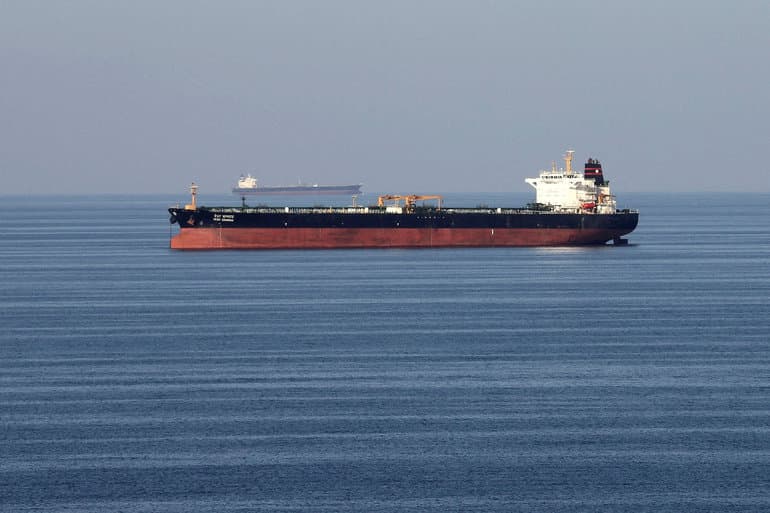
The strait is located between Iran to the north and the United Arab Emirates and Oman to the south. It connects several of the countries in the Gulf: Iraq, Kuwait, Saudi Arabia, Bahrain, Qatar and the United Arab Emirates.
Iran and the US have given different reports about the extent of the damage from the bombing. Donald Trump has said that the Fordow facility has been "completely destroyed", while an Iranian politician says that only minor damage has been caused.
Iran has attacked Israel again on Sunday morning, while the specific plans for a response against the United States are still uncertain.
Important for oil and gas trade
The step of closing the Strait of Hormuz is initially a response that will primarily affect international trade and gas and oil prices. The bombings against the Iranian nuclear facilities may have set back Iran's nuclear program by several years.
But even though great damage has been inflicted on the nuclear program, it has not been completely eliminated, and work on developing a nuclear bomb may continue, albeit with a delay. Peter Viggo Jakobsen, associate professor at the Danish Defense Academy, told Ritzau on Sunday.
- I see it as an attempt to cut capacity and inhibit the Iranians' ability to use military force outside their own territory.
/ritzau/
Text, graphics, images, sound, and other content on this website are protected under copyright law. DK Medier reserves all rights to the content, including the right to exploit the content for the purpose of text and data mining, cf. Section 11b of the Copyright Act and Article 4 of the DSM Directive.
Customers with IP agreements/major customer agreements may only share Danish Offshore Industry articles internally for the purpose of handling specific cases. Sharing in connection with specific cases refers to journaling, archiving, or similar uses.
Customers with a personal subscription/login may not share Danish Offshore Industry articles with individuals who do not themselves have a personal subscription to Danish Offshore Industry.
Any deviation from the above requires written consent from DK Medier.