Energinet's decision to lower electricity consumers' tariffs by up to 10 percent from 2026 and cap the tariff level until 2030 is a source of joy for one of the country's largest electricity consumers - the district heating sector. Here, the electrification of heat production has gained momentum and pushed out fossil energy sources such as oil. This is stated by the Danish District Heating industry association in a statement.
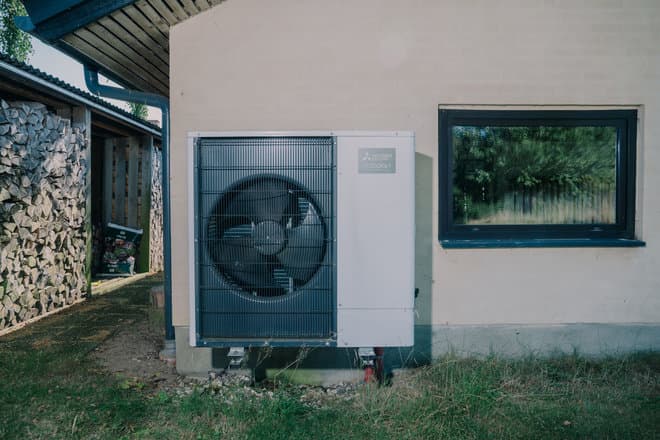
Since 2019, the capacity of electricity-based plants such as heat pumps and electric boilers for district heating has tripled, and almost all new plants are electricity-based. This means that stable and lower electricity tariffs will have a major impact on the economy of heating plants and the green transition.
- It is really good news for the heating sector that Energinet is announcing that it wants to lower electricity tariffs for its consumers. This comes against a background where tariffs have increased in recent years, so it is positive that this development is now being put to rest. This gives heating plants security for their investments in electrification and can contribute to the continuation of electrification in the heating supply, says Michael Søgaard Schrøder, chief consultant at Dansk Fjernvarme.
Today, the district heating sector uses around 2 TWh of electricity per year. According to Dansk Fjernvarme, a tariff reduction of ten percent corresponds to an annual saving of DKK 27 million – a saving that can grow in line with increasing electricity consumption in the sector. Electrification of district heating can also play a role in balancing the electricity grid.
- When there is a surplus of green electricity, heat pumps and electric boilers can be activated to store the energy as heat. This is particularly important at a time when the share of renewable energy in the electricity grid is increasing, and when it is necessary to be able to handle periods with both a surplus and a deficit of electricity. Here, the flexible consumption of district heating is an important piece that can contribute to stability in the electricity grid, says Michael Søgaard Schrøder.
Energinet has also announced that electricity producers – including controllable CHP plants – can also look forward to lower connection fees and balance tariffs from 2026.
amp
Text, graphics, images, sound, and other content on this website are protected under copyright law. DK Medier reserves all rights to the content, including the right to exploit the content for the purpose of text and data mining, cf. Section 11b of the Copyright Act and Article 4 of the DSM Directive.
Customers with IP agreements/major customer agreements may only share Danish Offshore Industry articles internally for the purpose of handling specific cases. Sharing in connection with specific cases refers to journaling, archiving, or similar uses.
Customers with a personal subscription/login may not share Danish Offshore Industry articles with individuals who do not themselves have a personal subscription to Danish Offshore Industry.
Any deviation from the above requires written consent from DK Medier.