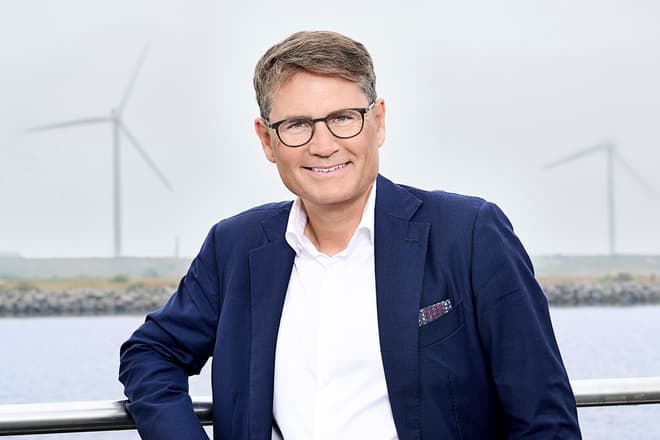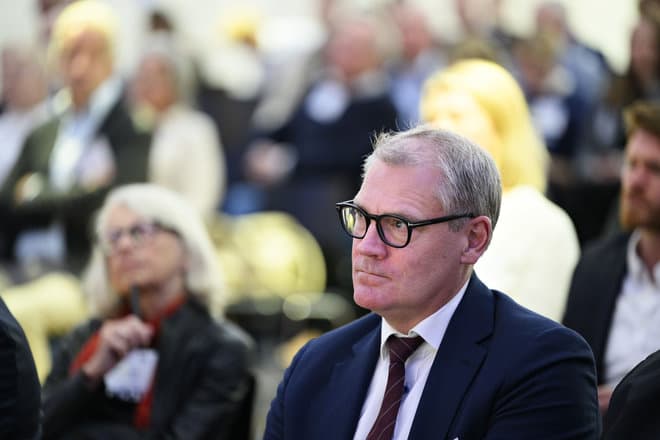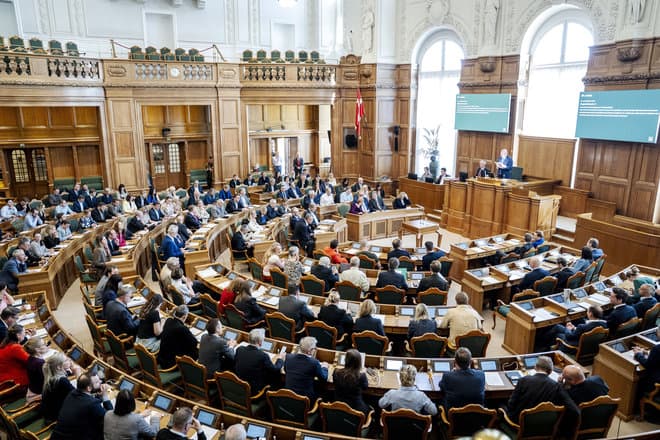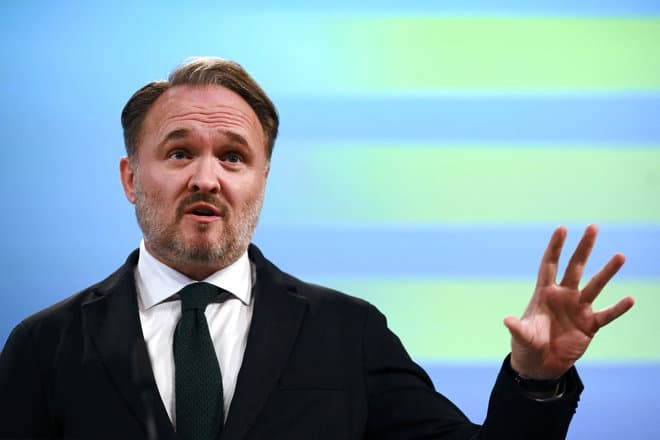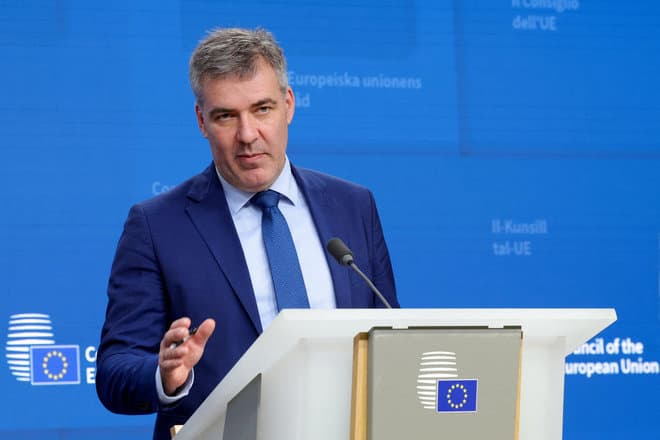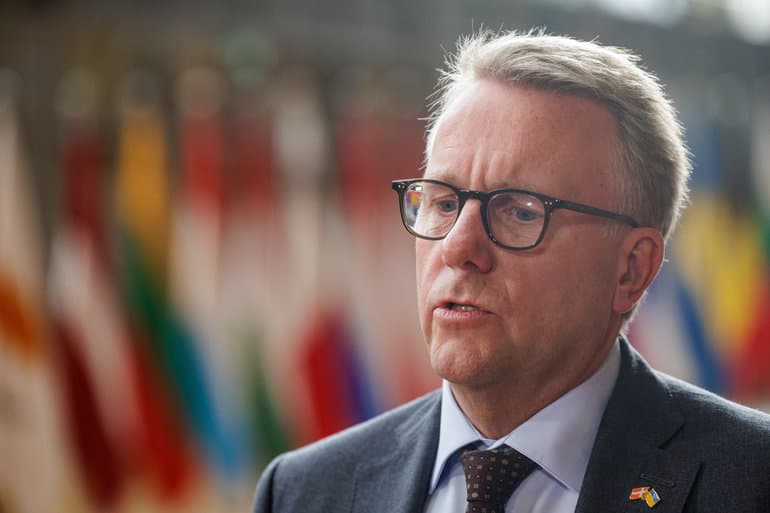
Denmark does not want to abolish the EU's CSDDD directive, said Minister of Business Affairs Morten Bødskov (S) in Brussels on Thursday. On Monday, French President Emmanuel Macron said that the directive should be abolished. The German Chancellor, Friedrich Merz, has previously said the same thing.
The CSDDD directive, or Corporate Sustainability Due Diligence Directive, as it is originally called, is an EU directive that aims to strengthen sustainability and imposes more responsibility on companies for their global supply chains.
- We do not agree with that. We agree that we must find ways to make our regulation better, more flexible and more manageable for our companies as well, says Morten Bødskov about the announcement from other European countries.
- But we must also remember that we have important goals set for the green transition, he adds.
According to the French president, the EU directive is too cumbersome and bureaucratic for companies. The European leaders' dream of dropping the directive goes hand in hand with the omnibus simplification packages that the EU Commission has proposed to ease the bureaucratic burdens for European companies.
Minister of Business and Industry Morten Bødskov agrees that the EU's regulatory framework for companies must be weeded out.
- We are involved in looking at cleaning things up, he says.
- But that should not mean that we weaken the goals for the Europe we want. A Europe that is green, that is socially responsible, that takes responsibility, and that uses the strength that Europe has for precisely that.
Disagreement on directive among Danish MEPs
The announcement is met with sharp criticism from the Liberal Alliance's Henrik Dahl, who represents the EPP party in the European Parliament.
He calls it "directly irresponsible" that the government will not abolish CSDDD.
- These are rules that are downright destructive for Europe's business community. The EU is heading straight for the iceberg, but the government is choosing to maintain its speed and direction, says Dahl.
The EU parliamentarian also criticizes that the government has emphasized on several occasions that it is important to debureaucratize the EU's rules, and he thus accuses the government of double standards.
- The SVM government is making itself part of the problem and not part of the solution when it refuses to remove CSDDD, says Henrik Dahl.
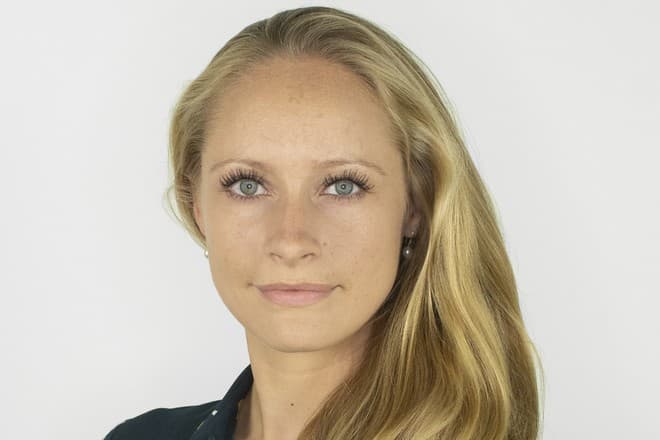
The SF's Kira Marie Peter-Hansen, who represents the Greens group in the EU Parliament, says otherwise. She thinks it is "really positive" that the Danish government wants to stick to the regulation.
- If we want to ensure that our goods are produced under environmentally and ethically sound conditions, it is absolutely crucial that we stick to the legislation, she says.
The CSDDD Directive holds companies responsible for the negative impact on people and the environment that their business operations may have. The directive requires companies to report and prevent the negative consequences.
/ritzau/
Text, graphics, images, sound, and other content on this website are protected under copyright law. DK Medier reserves all rights to the content, including the right to exploit the content for the purpose of text and data mining, cf. Section 11b of the Copyright Act and Article 4 of the DSM Directive.
Customers with IP agreements/major customer agreements may only share Danish Offshore Industry articles internally for the purpose of handling specific cases. Sharing in connection with specific cases refers to journaling, archiving, or similar uses.
Customers with a personal subscription/login may not share Danish Offshore Industry articles with individuals who do not themselves have a personal subscription to Danish Offshore Industry.
Any deviation from the above requires written consent from DK Medier.