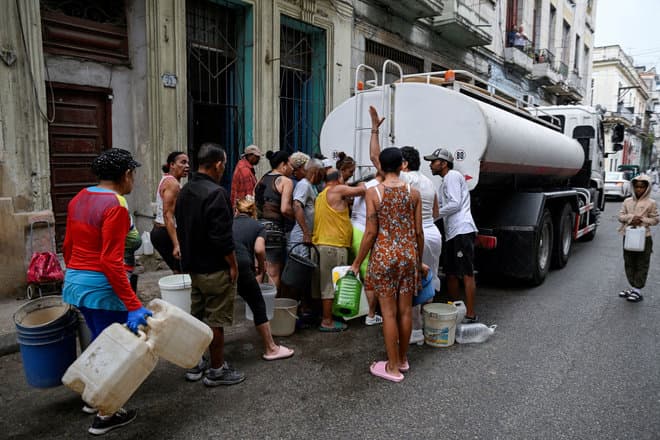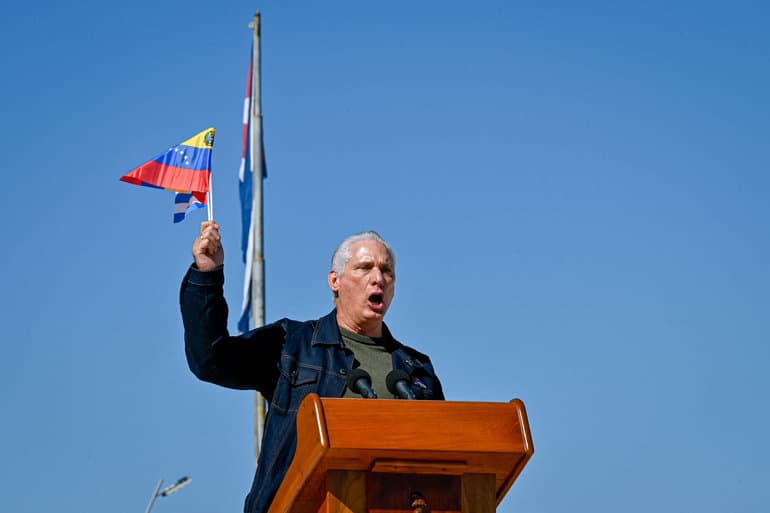
The US capture of Nicolás Maduro has already set the avalanche rolling. In Cuba, the arrest of Maduro, who was the leader of Venezuela, means growing fear for the future, darkness and food shortages.
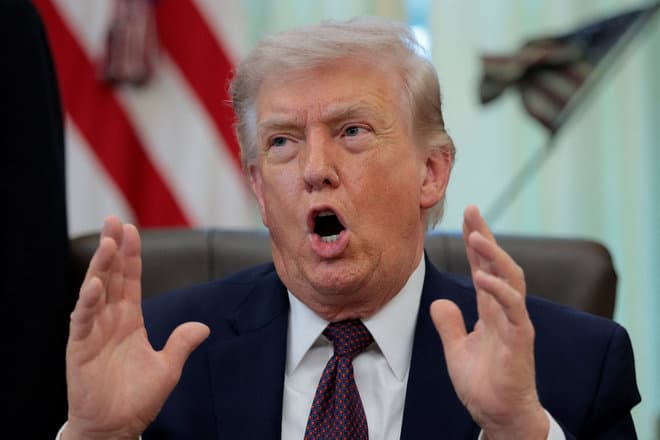
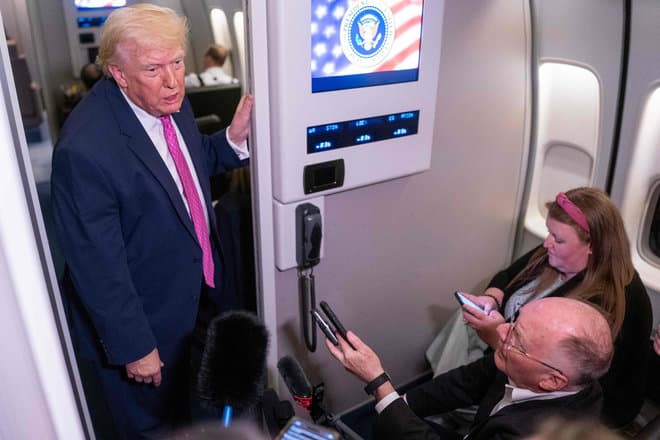
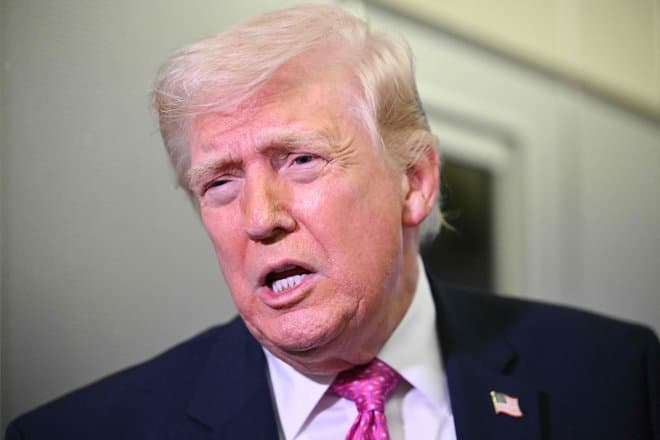
After the US attack on Venezuela, US President Donald Trump, according to AFP, issued a threat to leftist leaders in the region, saying that Cuba "is ready to fall".
He denied that US military intervention on the island is necessary, because according to him it will be "almost impossible" for Cuba to survive without Venezuelan oil.
According to Cuban doctor Ifraín Perez, who has been stationed in Venezuela on several occasions, Maduro's arrest is bad news.
- It is deeply unpleasant, both for Cuba and for the rest of the world. I am worried because I know many Venezuelans and have great sympathy for them. There must be some kind of stability, that is crucial - and that can only be done if Maduro returns to his country, he says, according to The Guardian.
53-year-old Axel Alfonso works as a driver in Cuba's capital, Havana. He fears that 2026 could be the toughest year in the country's recent history.
- 2026 is going to be really tough. If Venezuela's oil supply stops, it will be difficult, he tells AFP.
Like most other Cubans, he has lived his entire life under the US trade embargo that came into effect in 1962. Since then, the island has seen 13 US administrations come and go - some stricter than others.
- We have been fighting it for more than 60 years, and we will continue to do so, says Alfonso.
Cuba, located about 145 kilometers south of Florida's southernmost tip, experienced its greatest ordeal when the Soviet Union collapsed in 1991. It cost it a trading partner and close ally. At the time, the Cubans chose to open up to tourism and accept foreign investment to compensate for the lack of support from Moscow.
Dependent on oil from Venezuela
Since the turn of the millennium, the country has become increasingly dependent on Venezuelan oil. In 2005, Cuba signed an oil deal with Hugo Chávez, Maduro's predecessor. Cuba sent doctors, teachers and sports coaches to Venezuela, who paid in oil.
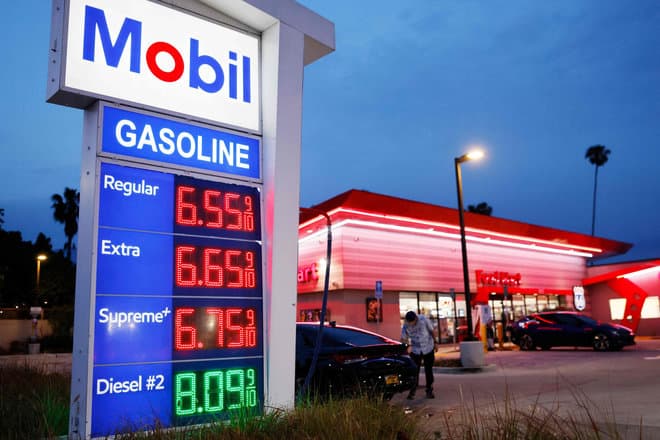
In the last quarter of 2025, Venezuela sent between 30,000 and 35,000 barrels of oil a day to Cuba. That's half of Cuba's consumption, Jorge Piñon, an energy expert and researcher at the University of Texas, told AFP.
Deliveries were higher a decade ago, but the global drop in oil prices has had major consequences for Venezuela's economy and production capacity.
In recent years, this has created a vicious circle for Cuba's economy and Cubans' living standards. It is estimated that tighter sanctions from the United States, poor economic planning and the collapse of tourism as a result of the corona pandemic are the reasons.
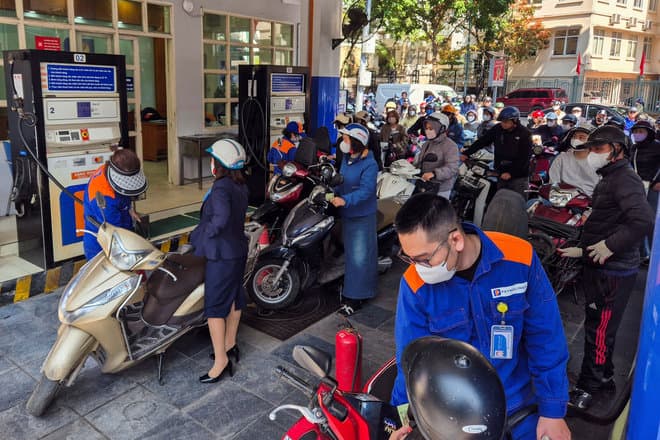
The gross domestic product has fallen by 11 percent in five years. The government is struggling to finance basic necessities such as electricity and a functioning health system. Frequent power outages and shortages of food and medicine are a growing problem.
Many Cubans fear that the loss of Venezuelan oil will worsen the situation. According to Piñon, Cuba does not have the resources or purchasing power to save itself. Nor does the island have a political partner that can provide an economic lifeline.
Despite the bleak outlook, Cubans are trying to maintain their courage. 80-year-old Roberto Brown was a young man during the Cuban Missile Crisis in 1962, when the United States and the Soviet Union came close to war.
- Trump continues to threaten us. He just needs to remember that we are only 145 kilometers away. If a missile can reach there and here, a missile from here can also reach there, he says.
/ritzau/
Text, graphics, images, sound, and other content on this website are protected under copyright law. DK Medier reserves all rights to the content, including the right to exploit the content for the purpose of text and data mining, cf. Section 11b of the Copyright Act and Article 4 of the DSM Directive.
Customers with IP agreements/major customer agreements may only share Danish Offshore Industry articles internally for the purpose of handling specific cases. Sharing in connection with specific cases refers to journaling, archiving, or similar uses.
Customers with a personal subscription/login may not share Danish Offshore Industry articles with individuals who do not themselves have a personal subscription to Danish Offshore Industry.
Any deviation from the above requires written consent from DK Medier.