A groundbreaking global treaty aimed at protecting biodiversity in the world's open oceans entered into force on Saturday. The UN treaty, officially called "Biodiversity Beyond National Jurisdiction," has been in the works for nearly two decades.
The agreement covers two-thirds of the world's oceans beyond national waters and gives countries a legally binding framework to address threats such as overfishing. Reuters news agency writes.
- That's two-thirds of the ocean, and that's half of the planet's surface, which for the first time will be covered by a comprehensive legal framework, said Adam McCarthy, co-chair of the treaty's preparatory committee, according to Reuters.
The goal of the agreement is to ensure that the high seas and the international seabed are managed sustainably for the benefit of all humanity, the UN said.
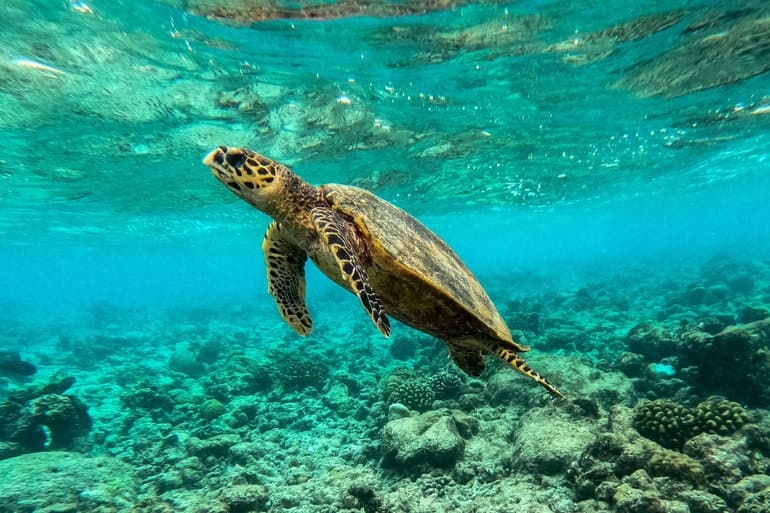
The oceans, teeming with plant and animal life, create half of the planet's oxygen supply and are crucial for combating climate change, environmentalists say according to the AFP news agency.
It is hoped that the agreement will make a decisive contribution to dealing with the triple crisis that the world faces with climate change, biodiversity loss and pollution, the UN said.
More than 80 countries have joined the agreement
The UN treaty was finalized in March 2023. On September 19 last year, 60 countries had formally joined the treaty, meaning it would enter into force within 120 days. Since September, the number of countries that have ratified the agreement has increased to over 80.
Major economies such as China, Germany, Japan, France and Brazil have formally joined the international agreement. Other countries such as Britain and Australia are expected to follow suit soon, writes Reuters.
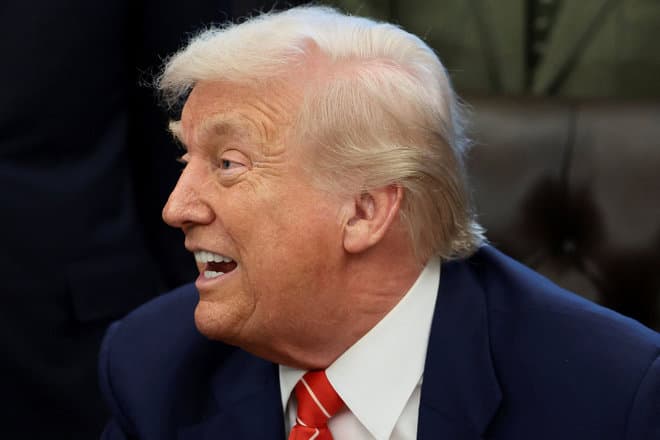
The United States signed the UN treaty before Donald Trump became president for the second time, but the country has not yet ratified the agreement.
- Although we only needed 60 for it to enter into force, it is of course absolutely crucial for the implementation and for it to be as effective as possible that we achieve global or universal ratification of the treaty, says Rebecca Hubbard, director of the High Seas Alliance, a coalition of environmental organizations, according to Reuters.
- We really aim for all UN member states to ratify the treaty, she adds.
However, according to Reuters, the UN treaty will have limited impact on what some conservationists point to as one of the biggest threats to the marine environment: seabed mining.
/ritzau/
Text, graphics, images, sound, and other content on this website are protected under copyright law. DK Medier reserves all rights to the content, including the right to exploit the content for the purpose of text and data mining, cf. Section 11b of the Copyright Act and Article 4 of the DSM Directive.
Customers with IP agreements/major customer agreements may only share Danish Offshore Industry articles internally for the purpose of handling specific cases. Sharing in connection with specific cases refers to journaling, archiving, or similar uses.
Customers with a personal subscription/login may not share Danish Offshore Industry articles with individuals who do not themselves have a personal subscription to Danish Offshore Industry.
Any deviation from the above requires written consent from DK Medier.