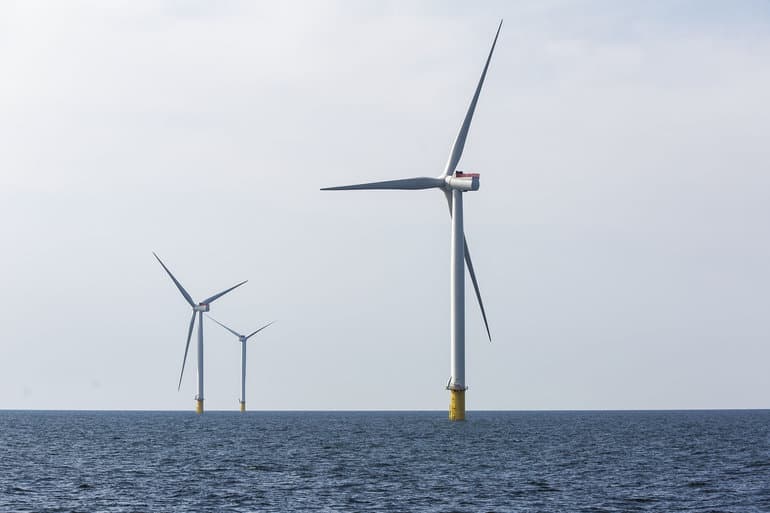
In 2022, electricity production from wind and solar accounted for 59.3 percent of total Danish electricity consumption. This is a record high, Energinet writes in a press release. Energinet is a state-owned company that owns and develops the electricity and gas grid in Denmark.
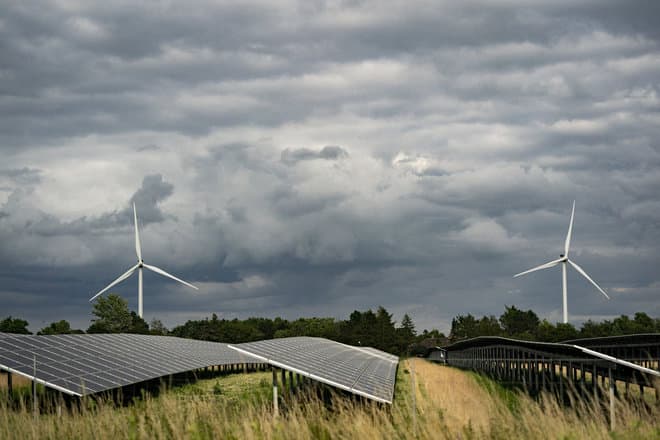
There has been an increase of 11.9 percentage points from 47.4 percent in 2021. If you go further back, it is a doubling from 30.0 percent in 2012. 2022 has been a year with a lot of wind and wind, and this has put a swing in the country's wind turbines.
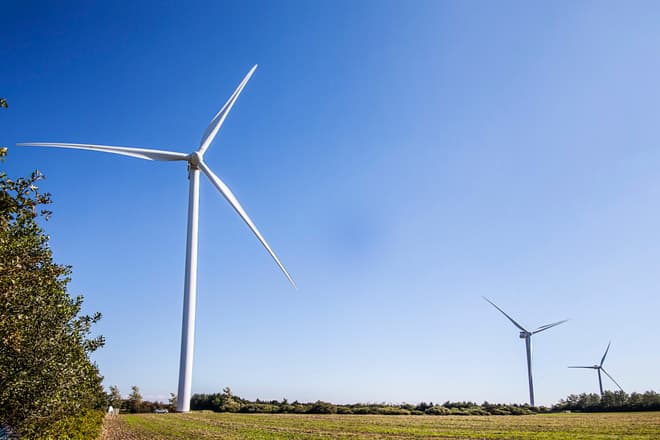
The share of wind has increased by 9.5 percentage points from 2021 to 53.2 percent. in 2022. This is mainly due to the Kriegers Flak offshore wind farm in the Baltic Sea, which has had its first full year of production, writes Energinet.
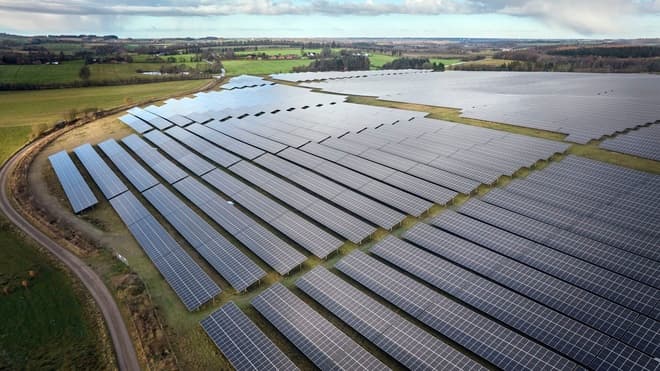
In relative terms, however, it is solar energy that, with the help of many new solar cell plants and solar cell parks, has made the biggest jump. The share of electricity production from the sun in relation to electricity consumption increased from 3.6 percent in 2021 to 6.2 percent this year.
Places greater demands on the electricity grid
When the share of electricity from renewable sources increases, it places greater demands on the balance in the electricity system of the future, writes Energinet.
- Because it is a system where electricity is not produced when it is needed, as before, but comes as the wind blows and as the sun shines, it says.
Energinet's figures show that while electricity production from solar and wind accounted for over 70 percent of electricity consumption on average over a month in February, July and November, the share was down to around 44 per cent and 38 per cent respectively in March and August.
In addition, the figures from Energinet show that there are large differences between the country's municipalities. Particularly in municipalities with large wind farms at sea and on land, a lot of green electricity is produced.
These are municipalities such as Norddjurs, Lolland, Jammerbugt, Esbjerg, Guldborgsund and Lemvig. Here, electricity production from wind and solar accounts for more than 200 per cent. of the municipalities' own electricity consumption.
The opposite is true in 32 municipalities in the capital area and other urban municipalities. Here, the share of green electricity constitutes less than five per cent. of the individual municipality's consumption, writes Energinet. According to Energinet, this therefore calls for an expansion of the electricity transmission network when the green electricity is produced in places where electricity consumption is low.
The figures were calculated on 29 December. Therefore, they may change slightly, Energinet notes, but it will be in decimals.
/ritzau/
Text, graphics, images, sound, and other content on this website are protected under copyright law. DK Medier reserves all rights to the content, including the right to exploit the content for the purpose of text and data mining, cf. Section 11b of the Copyright Act and Article 4 of the DSM Directive.
Customers with IP agreements/major customer agreements may only share Danish Offshore Industry articles internally for the purpose of handling specific cases. Sharing in connection with specific cases refers to journaling, archiving, or similar uses.
Customers with a personal subscription/login may not share Danish Offshore Industry articles with individuals who do not themselves have a personal subscription to Danish Offshore Industry.
Any deviation from the above requires written consent from DK Medier.