New winds are blowing in China. The world's largest emitter of CO2 has invested massively in greener energy sources in recent years. It is paying off. The country is still a major consumer of coal, especially to meet its energy needs. But renewable sources are playing an increasingly important role.
This has been clearly demonstrated in the first quarter of 2025. Here, China's CO2 emissions fell compared to the same period last year. This marks the first time that the country's emissions have fallen even though more energy is being used. This is according to an analysis conducted by the think tank Crea, which focuses on clean energy and air.
The analysis indicates that the energy supply from wind, solar and nuclear power was enough to reduce the need for coal power, even though energy consumption increased by 2.5 percent. in the same period.
First drop in emissions caused by green energy sources
China's CO2 emissions have fallen before. But in those cases it has been attributed to falling energy consumption - for example during the corona pandemic with shutdowns. Therefore, according to the think tank, it is a milestone for the country that the explanation can now be found in a greater supply of greener energy sources. Even though the drop is only 1.6 percent compared to the same period last year.
- The current drop is the first time that the primary reason is an increase in clean energy sources, says Lauri Myllyvirta, who is behind the analysis from Crea.
The analysis is based on official data from China. It also highlights that China's CO2 emissions have now been stable or falling for more than a year.
This is a development that, if it continues, is potentially crucial for the global fight against climate change, because China is by far the world's biggest climate sinner, ahead of the United States.
China aims for the country's emissions to peak in 2030 and to achieve CO2 neutrality by 2060. This means that the country does not emit more of the climate-damaging gases than it captures and, for example, stores underground.
Massive investments
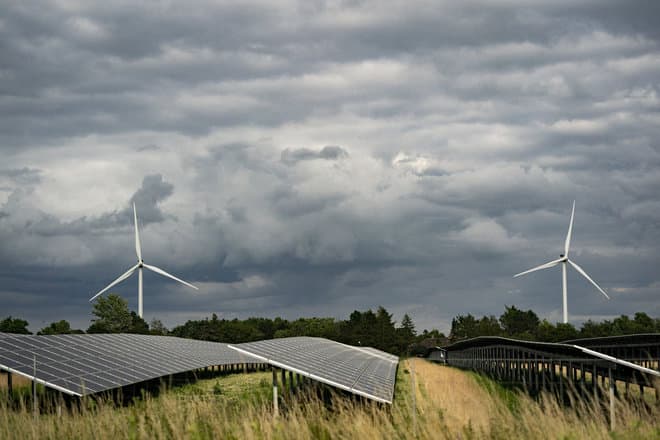
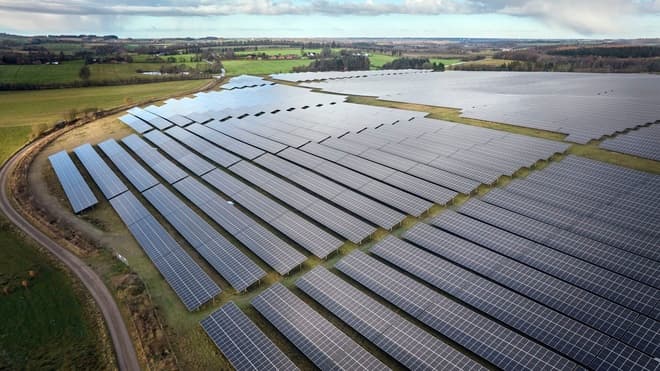
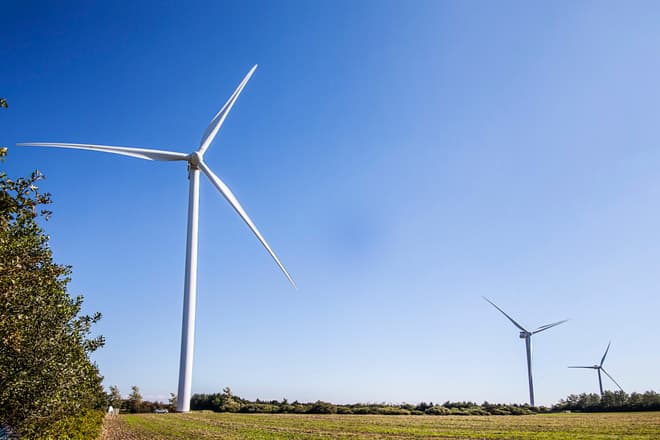
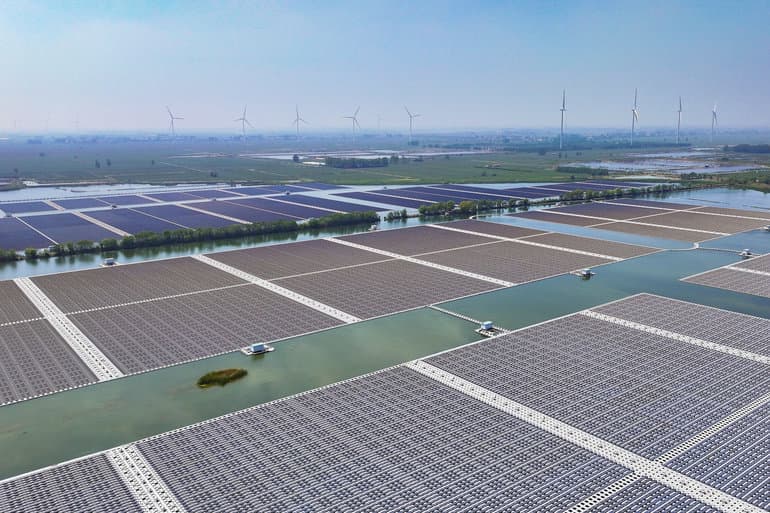
China has invested heavily in renewable energy. A study from last year showed that the country built almost twice as much wind and solar capacity as the rest of the world combined.
The International Energy Agency (IEA) expects China to cement its position as the world leader in renewable energy sources in the coming years. By 2030, China will account for 60 percent of the expansion of renewable energy sources globally.
The greater capacity of cleaner energy sources means that the use of fossil fuels, which is the primary cause of higher global temperatures and climate change, will decrease.
However, this does not mean that China's CO2 emissions will continue to fall. Current emissions are one percent lower than their previous peak, and they could therefore quickly rise to new heights. It depends, among other things, on which paths different sectors choose to take.
China's response to the US and President Donald Trump's higher tariffs could also be decisive. China has agreed to a three-month pause on sky-high tariffs. But how the tariff war will develop is unknown.
The tariff war could cause China to ramp up production, which would require higher energy consumption and thus increase the risk of higher emissions.
/ritzau/
Text, graphics, images, sound, and other content on this website are protected under copyright law. DK Medier reserves all rights to the content, including the right to exploit the content for the purpose of text and data mining, cf. Section 11b of the Copyright Act and Article 4 of the DSM Directive.
Customers with IP agreements/major customer agreements may only share Danish Offshore Industry articles internally for the purpose of handling specific cases. Sharing in connection with specific cases refers to journaling, archiving, or similar uses.
Customers with a personal subscription/login may not share Danish Offshore Industry articles with individuals who do not themselves have a personal subscription to Danish Offshore Industry.
Any deviation from the above requires written consent from DK Medier.