The EU must buy more raw materials from third countries to increase independence from China. This is part of the goal of the EU Commission's proposal, the Critical Raw Materials Act, which was presented on Thursday.
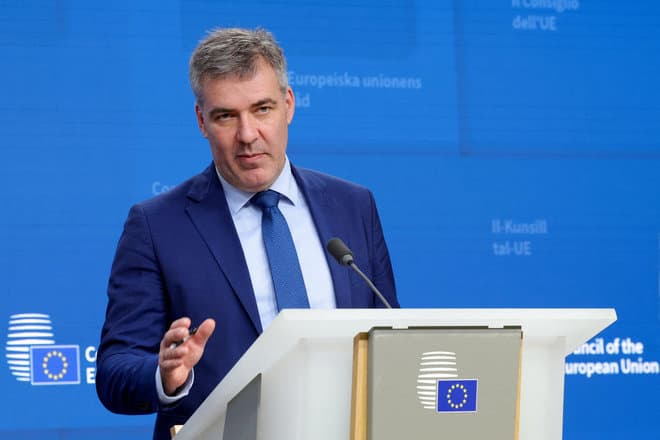
But it may be difficult for the EU to penetrate the markets in Chile, Argentina and Africa. Here, China already has a heavy stake in mining contracts, having built up a large processing industry in China. However, the EU's Executive Vice-President, Valdis Dombrovskis, believes that the EU has the opportunity to wrest contracts from China.
- When we look at the critical raw materials needed for the green transition, we are often dependent on just one dominant supplier. In most cases, it is China. So we need to diversify. And we must negotiate with third countries about access to critical raw materials, says Valdis Dombrovskis.
He points out that the EU can offer partnerships, which according to Dombrovskis will be more advantageous for the partner countries than the contracts that are in place with China.
- We will help the raw material producers to build their own processing industry. It is not just about extracting the raw materials and sending them for processing in another country. It is about the countries also having access to process the raw materials themselves, says Valdis Dombrovskis.
Green Power Denmark believes in more EU independence from Chinese raw materials
The EU will, among other things, help with access to private and public financing. And ensure that the processing industry in third countries is established in a way that protects workers' rights and the environment.
- So we believe that we have a lot to offer. We aim for partnerships that are beneficial to all involved, says Valdis Dombrovskis.
The EU Commission is thus planning to hit China both on the extraction of raw materials in third countries. And on the subsequent processing in China.
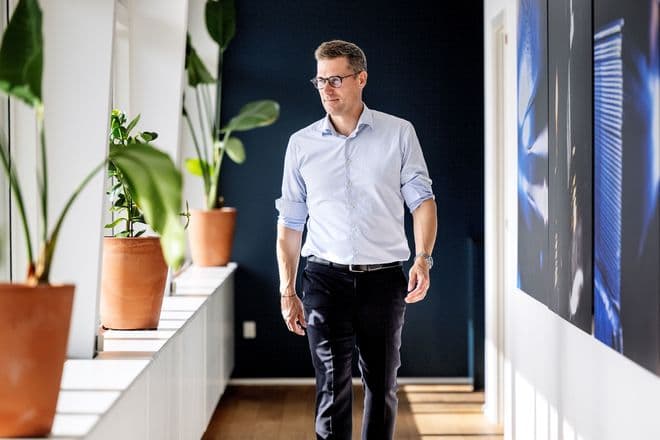
The business organization Green Power Denmark estimates that the EU Commission's proposal can overall reduce dependence on imports of raw materials from China.
And that is important because they are used in the green transition to produce wind turbines and electric cars, among other things, says Jan Hylleberg, deputy CEO of Green Power Denmark.
- It is not healthy for our security of supply. Therefore, it is important that the EU has a much more offensive policy in this area, says Jan Hylleberg.
/ritzau/
Text, graphics, images, sound, and other content on this website are protected under copyright law. DK Medier reserves all rights to the content, including the right to exploit the content for the purpose of text and data mining, cf. Section 11b of the Copyright Act and Article 4 of the DSM Directive.
Customers with IP agreements/major customer agreements may only share Danish Offshore Industry articles internally for the purpose of handling specific cases. Sharing in connection with specific cases refers to journaling, archiving, or similar uses.
Customers with a personal subscription/login may not share Danish Offshore Industry articles with individuals who do not themselves have a personal subscription to Danish Offshore Industry.
Any deviation from the above requires written consent from DK Medier.