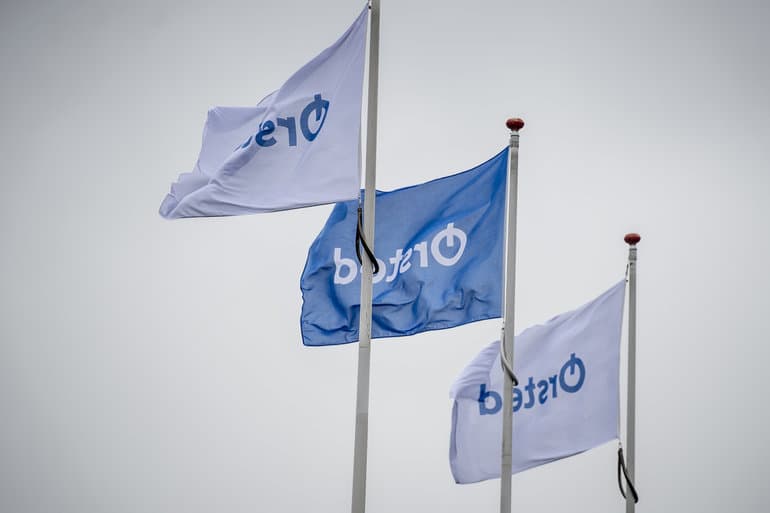
The energy company Ørsted is withdrawing from plans to build a large electrolysis plant in Germany, as the economics of the project are not consistent. This is reported by the business media Finans based on a press release from the parties behind the project.
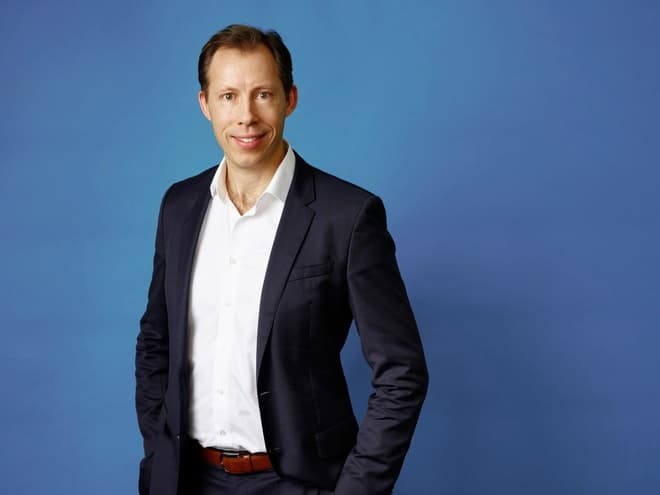
- A project has to be economically viable, and unfortunately that was not the case. We have therefore reached the logical conclusion, says Jörg Kubitza, Ørsted's country manager in Germany.
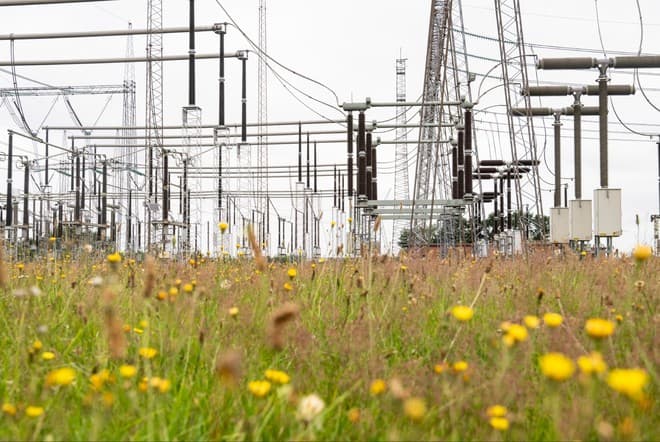
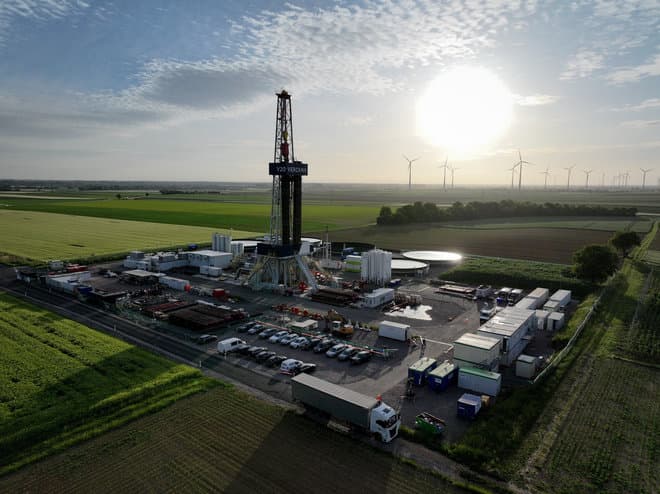
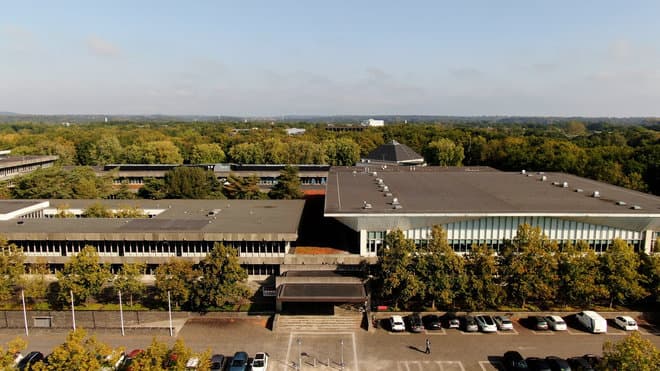
The plant was to produce hydrogen from water, which could replace hydrogen made from natural gas at a refinery in the town of Heide west of Kiel and was part of Westküste 100, which was to help develop and implement hydrogen in the area.
At the beginning of the month, Ørsted stopped the Ocean Wind 1 and 2 projects in the US and announced at the same time that the company had written down 28.4 billion kroner during the first nine months of the year.
According to Ørsted, write-downs, which were due to negative impacts, among other things, were caused by delays in the supply chain and rising interest rates. However, the majority of the write-downs - 19.9 billion - are due to the Ocean Wind 1 project. After the announcement, Østed's share price fell by more than 25 percent. A few weeks later, two of the company's top executives, the CFO and COO, resigned.
The electrolysis plant was planned for 30 megawatts. In comparison, Ocean Wind 1 was planned for around 1,100 megawatts, which could provide electricity for around 380,000 households. A few days ago, Ørsted announced that it was withdrawing from two offshore wind energy projects in Norway.
Ørsted's largest owner is the Danish state. The company was previously called Dong Energy, but changed its name in 2017. Ørsted had revenue of 64.9 billion kroner in the first nine months of the year, which is 33 percent less than the same period last year.
/ritzau/
Text, graphics, images, sound, and other content on this website are protected under copyright law. DK Medier reserves all rights to the content, including the right to exploit the content for the purpose of text and data mining, cf. Section 11b of the Copyright Act and Article 4 of the DSM Directive.
Customers with IP agreements/major customer agreements may only share Danish Offshore Industry articles internally for the purpose of handling specific cases. Sharing in connection with specific cases refers to journaling, archiving, or similar uses.
Customers with a personal subscription/login may not share Danish Offshore Industry articles with individuals who do not themselves have a personal subscription to Danish Offshore Industry.
Any deviation from the above requires written consent from DK Medier.