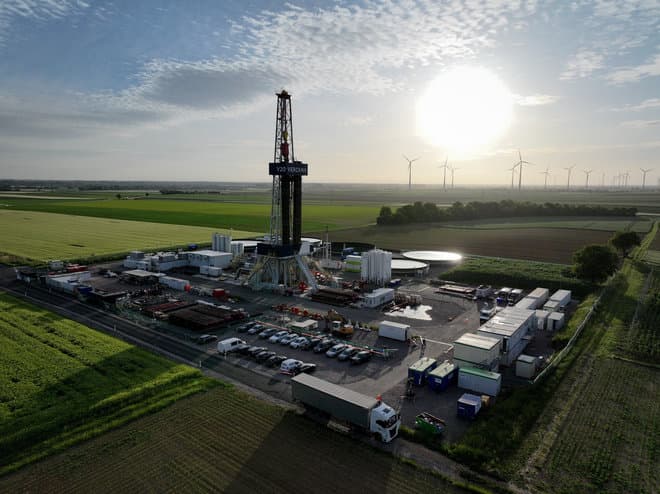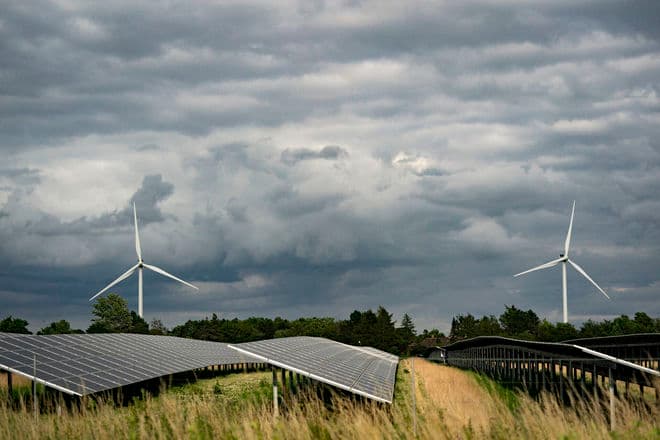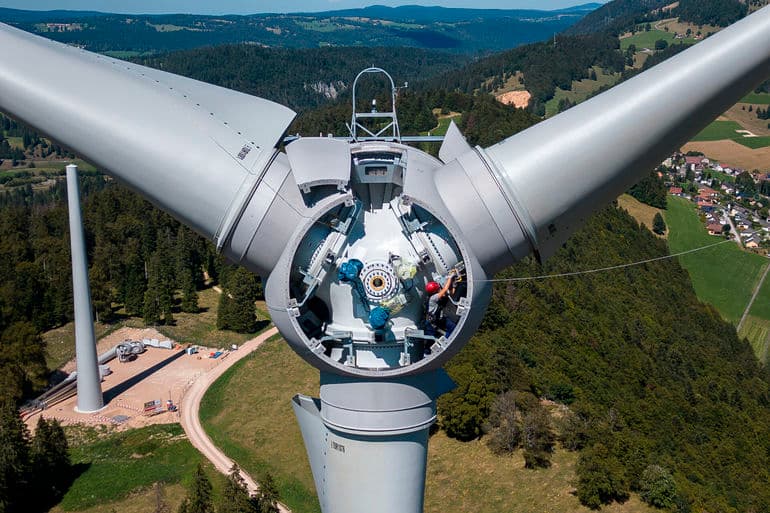
Wind turbine projects are often met with strong local resistance, even in communities where there is otherwise general support for the green transition. This is largely due to the population's close attachment to their local areas, which they do not want to change. This is according to Russell McKenna, professor of energy systems analysis at ETH Zurich, who has analyzed over 400 scientific studies on wind energy. This is what the Swiss newspaper Tages-Anzeiger writes.
– The biggest obstacle to the expansion of wind energy is the concerns of the local population, including the aforementioned myths about health consequences. In total, we have identified 14 different impacts on wind energy, from uncertainties in planning and approving plants to the importance of variable wind energy for the entire energy system to challenges in obtaining the necessary raw materials. We have also assessed the risk of cyberattacks on wind power plants, says Professor Russell McKenna in an interview with *Tages-Anzeiger*. McKenna is a professor of energy systems analysis at ETH Zurich.
McKenna researches the interaction between energy technologies, political frameworks and societal attitudes.
He does not describe himself as either an advocate or an opponent of wind turbines. His research aims to map both the advantages and disadvantages of the technology. According to him, the local resistance is not only about noise pollution or visibility, but about something more fundamental: the feeling that the landscape and the familiar environment are being invaded from outside.
In the interview, McKenna points out that many citizens associate their home region with childhood memories and a sense of security. When large technical installations such as wind farms are built, it is therefore experienced as a break in an emotional connection to the place.
Health concerns also play a large role in the resistance, especially fear of infrastructural noise and the so-called shadow casts, where rotating turbine blades create repeated flashes of light in nearby homes. McKenna acknowledges that these conditions can be annoying, but he also states that modern research does not document harmful health effects from today's wind turbines. The studies that point to nuisances come from older installations and have limited relevance today.
jel
Text, graphics, images, sound, and other content on this website are protected under copyright law. DK Medier reserves all rights to the content, including the right to exploit the content for the purpose of text and data mining, cf. Section 11b of the Copyright Act and Article 4 of the DSM Directive.
Customers with IP agreements/major customer agreements may only share Danish Offshore Industry articles internally for the purpose of handling specific cases. Sharing in connection with specific cases refers to journaling, archiving, or similar uses.
Customers with a personal subscription/login may not share Danish Offshore Industry articles with individuals who do not themselves have a personal subscription to Danish Offshore Industry.
Any deviation from the above requires written consent from DK Medier.