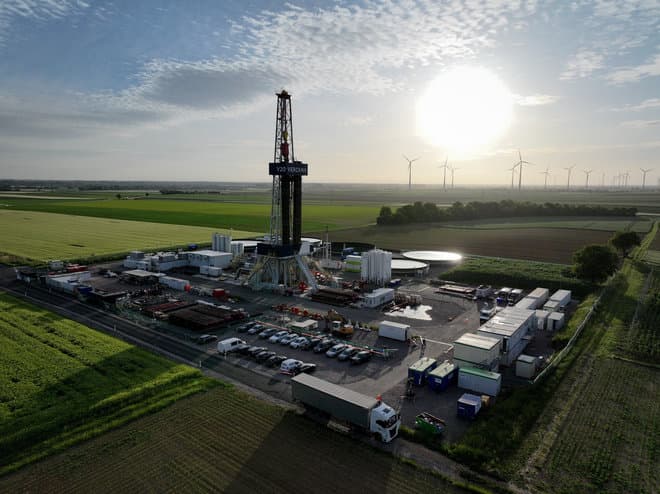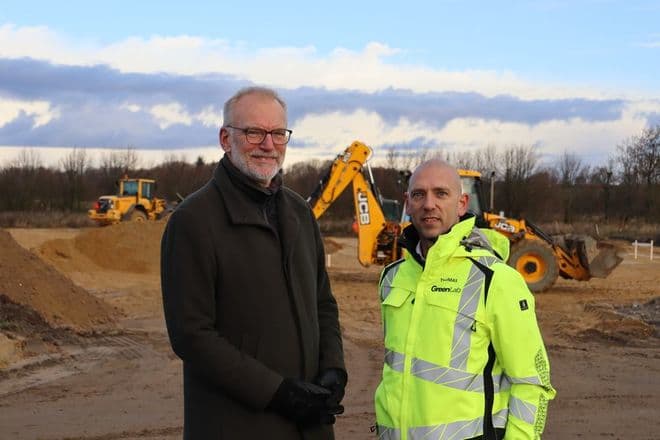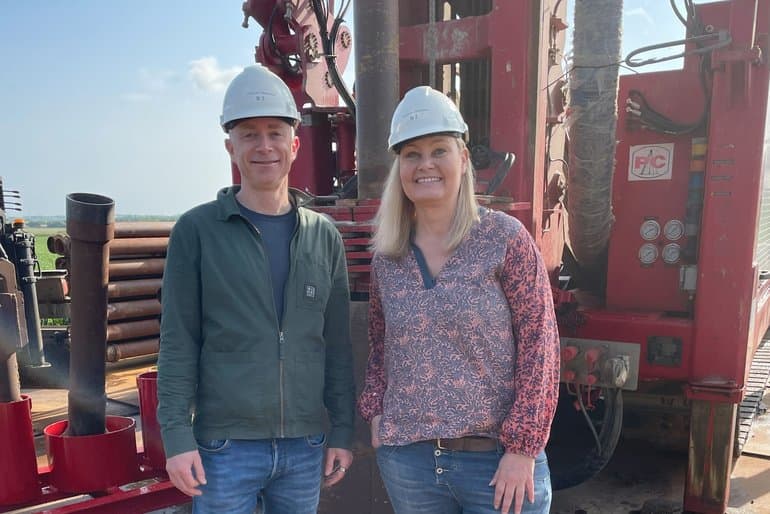
SKIVE: After two years of work to obtain approvals and find a suitable location, the Skive Climate Foundation, researchers from Aarhus University and Sunstones ApS have just put the drill into the ground in a field at the farm Ny Rybjerggaard in Salling.
Here they will pull samples from the ground to determine whether, as they expect, ash layers can be located 200-300 meters underground. The ash layers can help solve one of the biggest climate challenges.
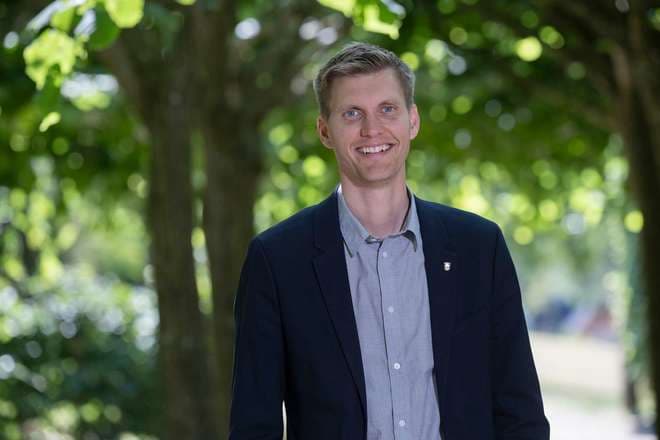
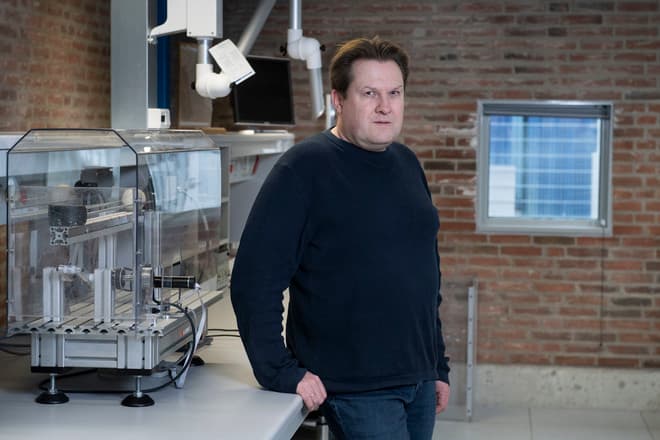
- For us, it is a day of celebration, as we have finally reached the point in the project where we are specifically investigating the underground next to a biogas plant. We believe that the entire area around and south of the Limfjord has great potential for using the method that we would like to test in the coming years, says David Lundbek Egholm, professor at the Department of Geoscience at Aarhus University and director of Sunstones.
The method involves capturing CO2, dissolving it in water (not drinking water) and pumping the water back into the ground, where the CO2 is naturally converted into limestone.
- We are not storing CO2, as our method permanently and naturally converts CO2 into minerals - in short, it will all happen with the help of nature, he says.
Can be scaled to other places
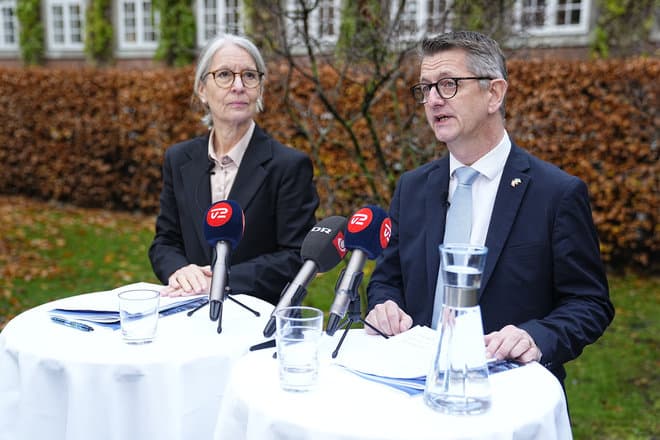
Aarhus University, Sunstones ApS and Klimafonden Skive are behind the project, and according to director of Klimafonden Skive, Anne-Mette S. Langvad, there could be good money to be made if the project goes as expected.
Initially, a number of small mineralization plants in the area, which local companies can naturally offer to establish.
- When the method is up and running, and we can see the results of the first plants, then of course we will scale the method to other parts of Denmark and those places in Europe where there are also ash layers in the subsoil, explains Anne Mette S. Langvad.
The reason why Ny Rybjerggaard was chosen as the first place to drill is because there is a biogas plant here that captures biogenic CO2, and it is this plant that will be used for the pilot project.
- You could say that we are actually turning the chimney on the biogas plant over, so that the pure CO2, instead of being sent into the air, is led via a pipe to the borehole. Here the gas is mixed with water, pumped down to the ash layer and disposed of forever, says Anne-Mette S. Langvad.
The subsoil in the Skive area is particularly suitable because of the 55 million year old ash layer that is located here.
ak
Text, graphics, images, sound, and other content on this website are protected under copyright law. DK Medier reserves all rights to the content, including the right to exploit the content for the purpose of text and data mining, cf. Section 11b of the Copyright Act and Article 4 of the DSM Directive.
Customers with IP agreements/major customer agreements may only share Danish Offshore Industry articles internally for the purpose of handling specific cases. Sharing in connection with specific cases refers to journaling, archiving, or similar uses.
Customers with a personal subscription/login may not share Danish Offshore Industry articles with individuals who do not themselves have a personal subscription to Danish Offshore Industry.
Any deviation from the above requires written consent from DK Medier.