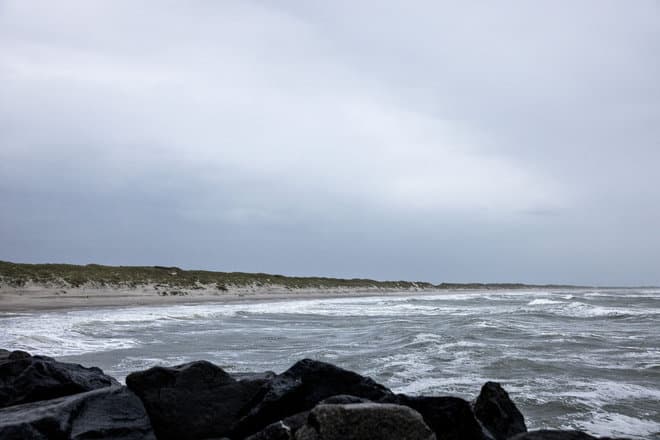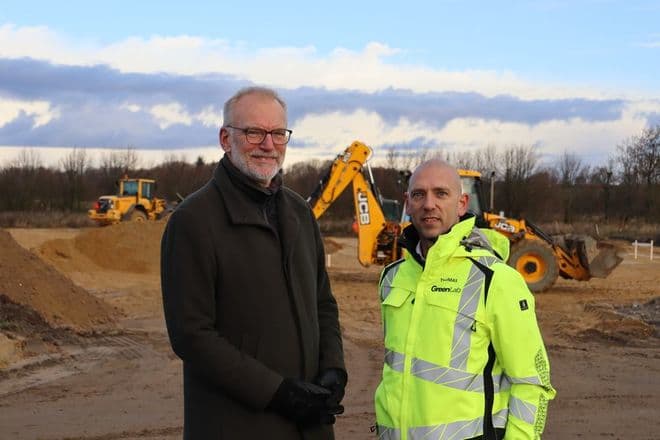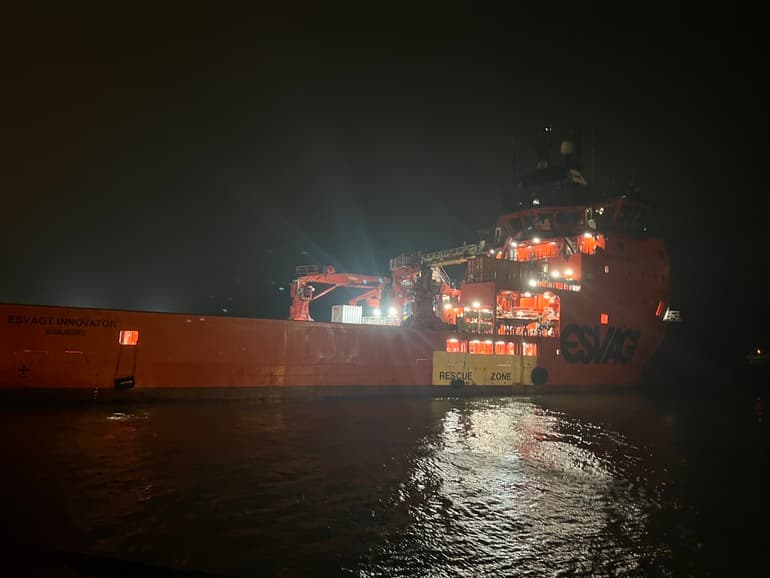
Consortium members from Project Greensand have recently sailed to the Nini field in the North Sea to use new technology to conduct seismic measurements of the CO2 storage, before Project Greensand stores the first CO2 in the Danish subsoil.
The new monitoring technology has not previously been used at sea and offers several advantages. Whereas comparable seismic measurements were traditionally made every year, the new monitoring method allows, among other things, to check the CO2 storage every month. This provides better opportunities to monitor the Nini West sandstone reservoir, where Project Greensand will soon store its first CO2, the consortium behind Project Greensand states in a press release.
Specifically, the measurements are made by placing so-called seabed nodes at 16 selected points on the seabed above the CO2 storage. These selected points are chosen based on existing data about the subsurface.
From a ship on the sea surface, sound is sent down through the subsurface to the CO2 storage. The sound is reflected back to the nodes on the seabed. This allows the nodes to put together a clear picture of what the CO2 storage looks like at selected points. The French company SpotLight is together with other partners in the consortium behind Project Greensand and the development of the new technology.
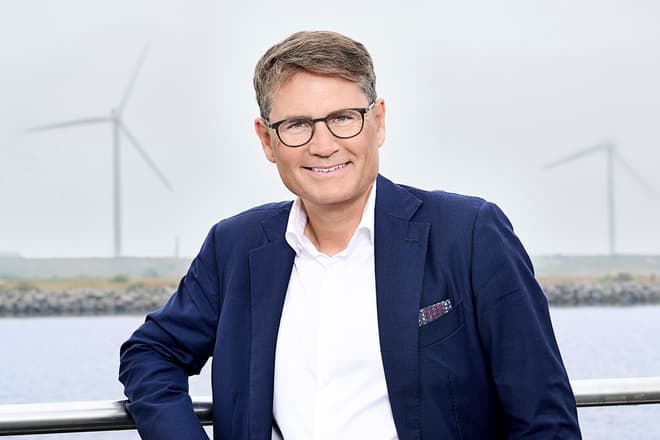
- We are proud to be involved in developing smart and efficient technology for Project Greensand, where we are working to show that a significant contribution can be made to the green transition in Denmark through the storage of CO2 in the North Sea. We gain important and frequent knowledge about where the CO2 is located in the CO2 storage - but without having to carry out seismic measurements of the entire storage area, says Habib al Khatib, CEO of SpotLight.
Requires less equipment
When the data collected from the seabed nodes is compared with previous images of what the sandstone reservoir looks like, Project Greensand is able to uncover where the CO2 is located down there. Previous images and calculations continue to play an important role, says Wintershall Dea.
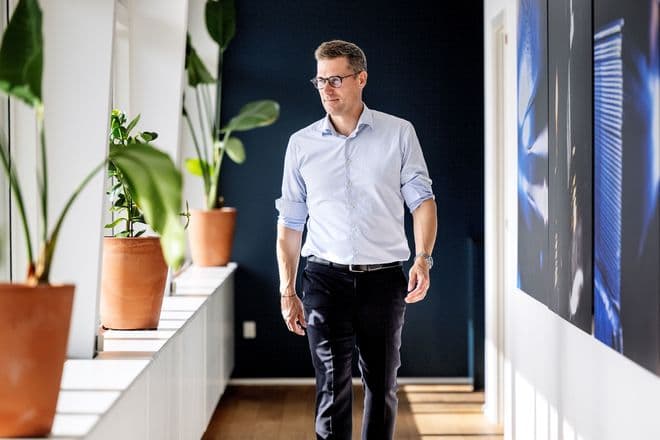
- We are becoming more and more efficient and smart in our approach to monitoring and control in Project Greensand - and we at Wintershall Dea are proud to be a part of that. At the same time, we are pleased that we are allowed to put our existing knowledge of the North Sea into play to deliver significant contributions to the green transition, says Andreas Szabados, Asset Manager Denmark, Wintershall Dea.
The new technology requires less equipment. Therefore, a smaller ship can be used, which can also be used for purposes other than seismic measurements. This is in contrast to previous methods that depend on a larger ship dedicated to the purpose.
The consortium behind Project Greensand consists of 23 Danish and international companies and organizations that are working to test, develop and demonstrate that CO2 can be stored under the seabed in the North Sea. The goal is that Project Greensand can eventually store up to 1.5 million tons of CO2 per year from 2025 - while the plan is to potentially store up to eight million tons of CO2 per year from 2030.
amp
Text, graphics, images, sound, and other content on this website are protected under copyright law. DK Medier reserves all rights to the content, including the right to exploit the content for the purpose of text and data mining, cf. Section 11b of the Copyright Act and Article 4 of the DSM Directive.
Customers with IP agreements/major customer agreements may only share Danish Offshore Industry articles internally for the purpose of handling specific cases. Sharing in connection with specific cases refers to journaling, archiving, or similar uses.
Customers with a personal subscription/login may not share Danish Offshore Industry articles with individuals who do not themselves have a personal subscription to Danish Offshore Industry.
Any deviation from the above requires written consent from DK Medier.