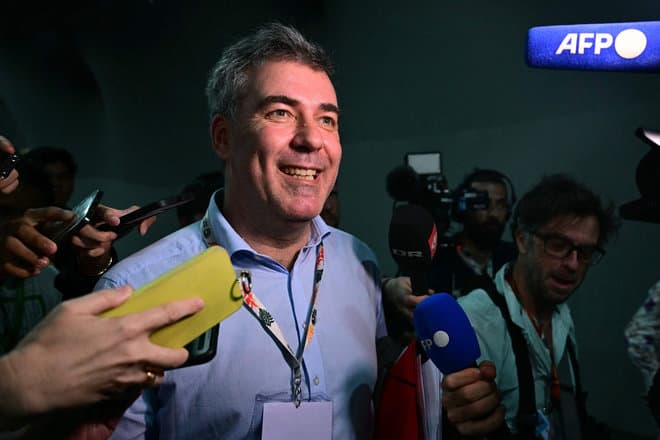
While the new minister for the green tripartite, Jeppe Bruus (S), is currently struggling to close a billion-dollar gap in the tripartite agreement, there is comfort to be found in the long term. Because with the agreement and a historic restructuring of areas, which has not been seen since the major land reforms at the end of the 18th century, Denmark will become a richer society.
This is promised by a new report from the green think tank Concito, which points to three different possible paths to take. But all three scenarios provide a surplus compared to today.
Because even though the tripartite party has politically allocated a whopping 40 billion kroner to achieve climate goals, lower nitrogen emissions and greater biodiversity, it could mean a major gain for society in the future.
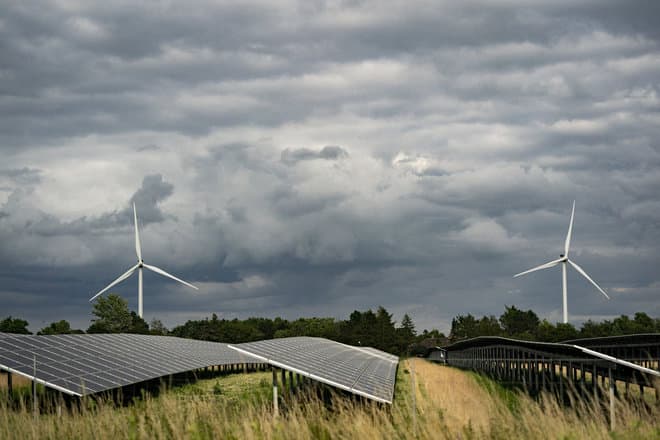
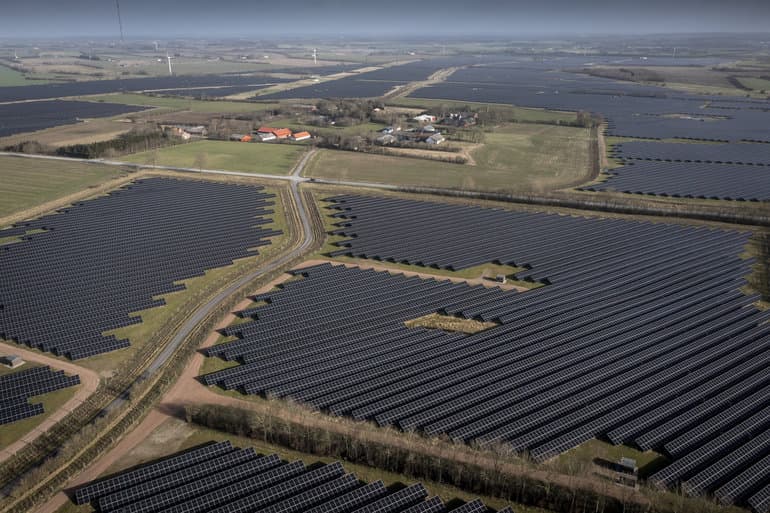
Danish areas are among the most cultivated in the world. At the same time, other new needs are pressing, such as more nature and biodiversity, more solar cells and wind turbines, and climate protection of coasts and homes.
Models for transformation
The report points to three models:
One is a traditional production landscape with large-scale animal food production.
The other is a more plant-based agriculture with a focus on human experiences of nature and centered around the cities.
And the last is a Danish landscape more based on nature's terms.
But according to the report, all three models increase the overall value for society if you also include the benefits of protecting biodiversity, increased mental health, and reduced damage costs from CO2 emissions.
In fact, all three visions have a positive, but different, value for society, equivalent to 12-56 billion kroner per year.
- We are faced with an enormous task of a scope that goes far beyond the tripartite. Space is limited, the landscape is already in use, and the climate and biodiversity crisis requires us to think new ways, said Concito program manager Peter Andreas Norn when he presented the report at a conference in Aarhus on Wednesday.
- Therefore, there is a need for a national coherent land strategy that includes all the needs that require land.
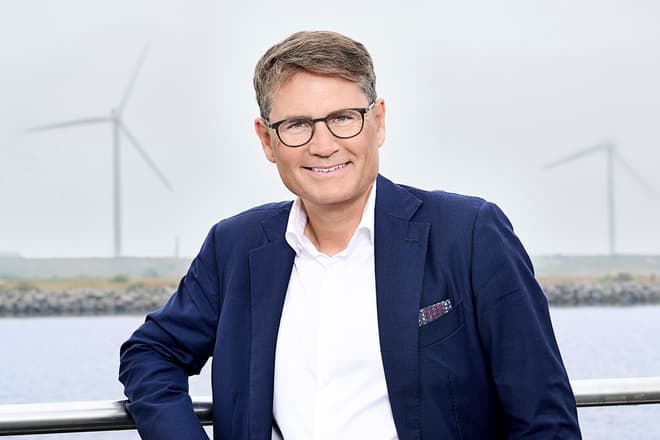
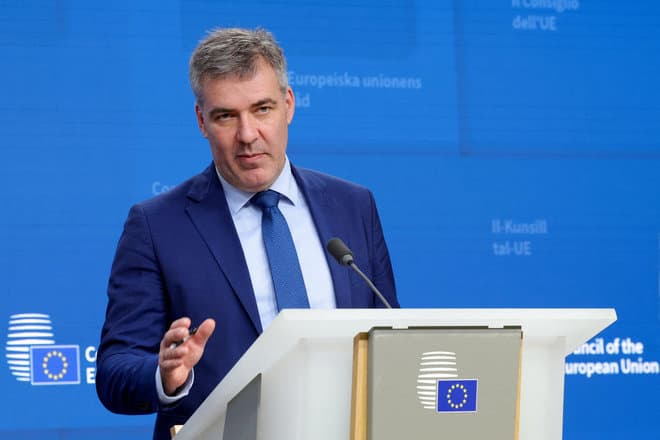
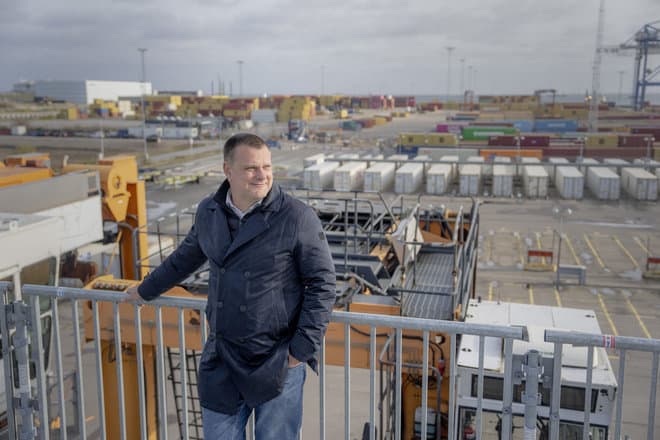
Minister for the Green Tripartite Jeppe Bruus participated in the conference via Teams and is not opposed to a comprehensive Danish land strategy.
- A national strategy with citizen involvement and prioritization tools is incredibly in line with what I myself am working on, said the minister.
/ritzau/
Text, graphics, images, sound, and other content on this website are protected under copyright law. DK Medier reserves all rights to the content, including the right to exploit the content for the purpose of text and data mining, cf. Section 11b of the Copyright Act and Article 4 of the DSM Directive.
Customers with IP agreements/major customer agreements may only share Danish Offshore Industry articles internally for the purpose of handling specific cases. Sharing in connection with specific cases refers to journaling, archiving, or similar uses.
Customers with a personal subscription/login may not share Danish Offshore Industry articles with individuals who do not themselves have a personal subscription to Danish Offshore Industry.
Any deviation from the above requires written consent from DK Medier.