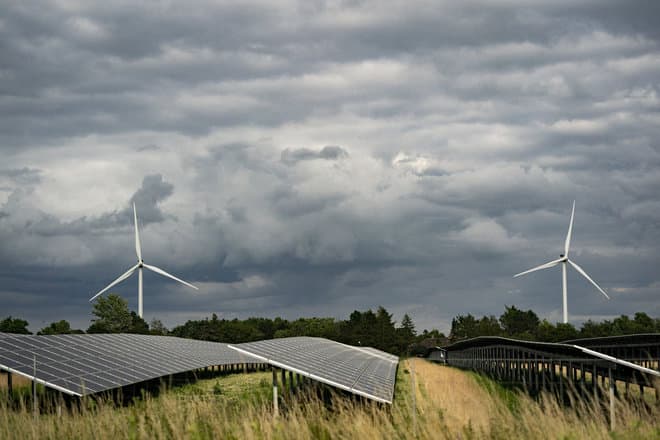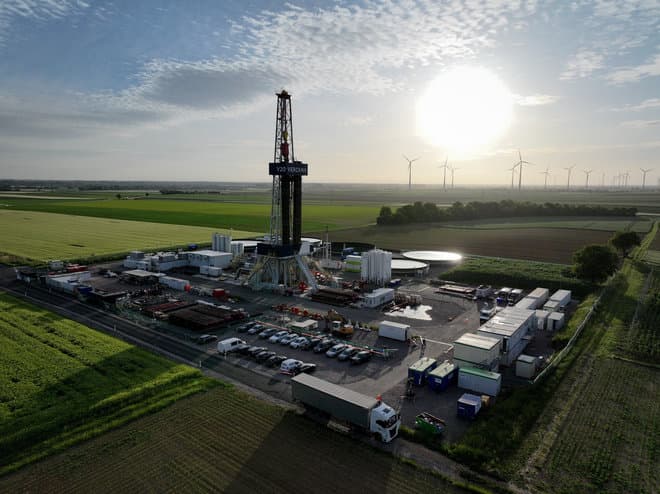
2023 saw a record expansion of renewable energy, and this year the trend is expected to continue with trillions of dollars in investments in green energy. Yet fossil fuels still account for the majority of the world's increasing energy consumption, and CO2 emissions from energy production reached a record high last year.
This is clear from the International Energy Agency's new annual overview of the global energy situation, the World Energy Outlook. The report points out a fundamental challenge with the transition.
Although the development and expansion of renewable energy has accelerated, energy consumption is currently rising faster than green energy can replace fossil energy production, such as coal-fired power plants.
A illustrative example can be seen in China, where the rollout of solar cells and wind turbines is booming, while the country is still building several new coal-fired power plants. Total global energy demand increased by two percent in 2023.
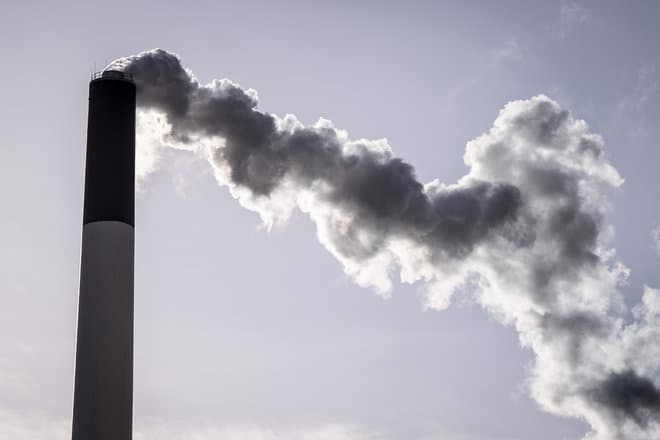
Two-thirds of it was covered by fossil energy sources, which led to a record for CO2 emissions from energy production.
Expected peak for greenhouse gas emissions in 2030
However, this will probably not continue. The International Energy Agency expects that world greenhouse gas emissions will peak by 2030. The need for energy from coal, gas and oil will decrease.
Because even if the expansion of renewable energy does not currently match energy demand, the two curves will meet in the coming years.
This is partly due to an accelerating expansion of solar and wind energy, while energy efficiency is improving, so that the need for new energy decreases.
/ritzau/
Text, graphics, images, sound, and other content on this website are protected under copyright law. DK Medier reserves all rights to the content, including the right to exploit the content for the purpose of text and data mining, cf. Section 11b of the Copyright Act and Article 4 of the DSM Directive.
Customers with IP agreements/major customer agreements may only share Danish Offshore Industry articles internally for the purpose of handling specific cases. Sharing in connection with specific cases refers to journaling, archiving, or similar uses.
Customers with a personal subscription/login may not share Danish Offshore Industry articles with individuals who do not themselves have a personal subscription to Danish Offshore Industry.
Any deviation from the above requires written consent from DK Medier.