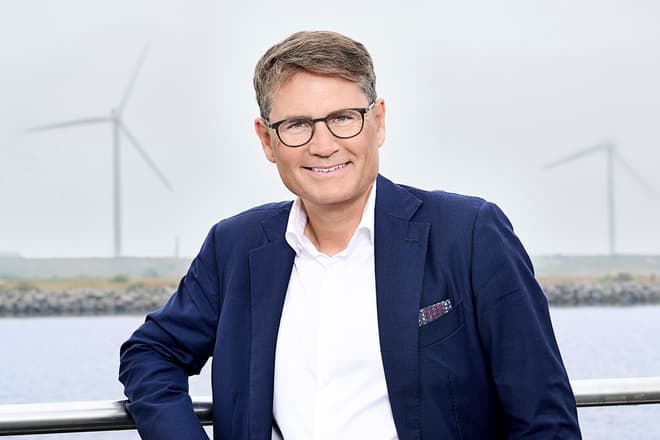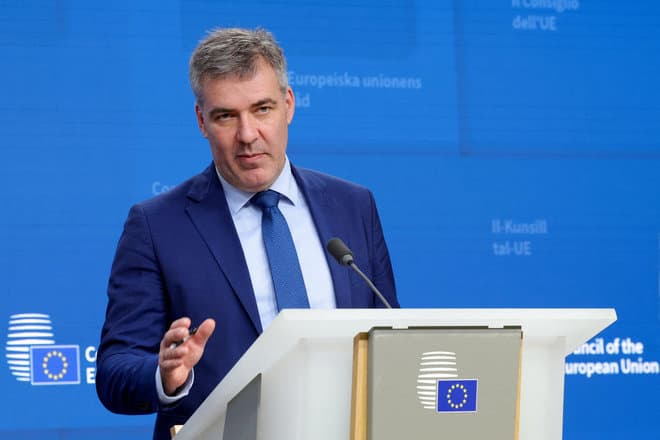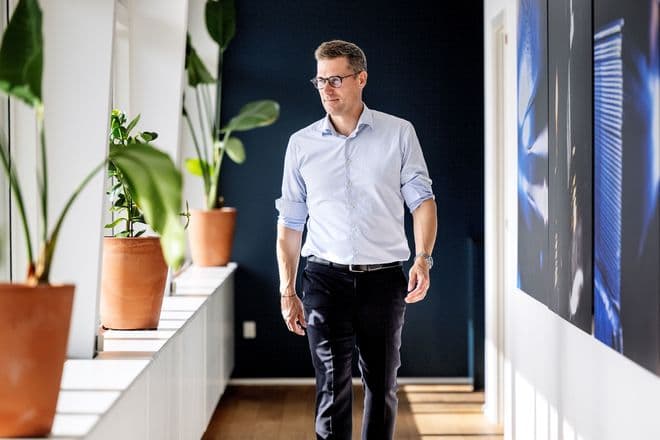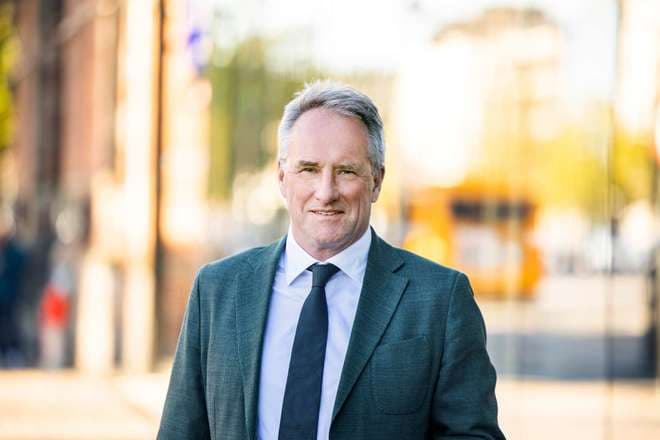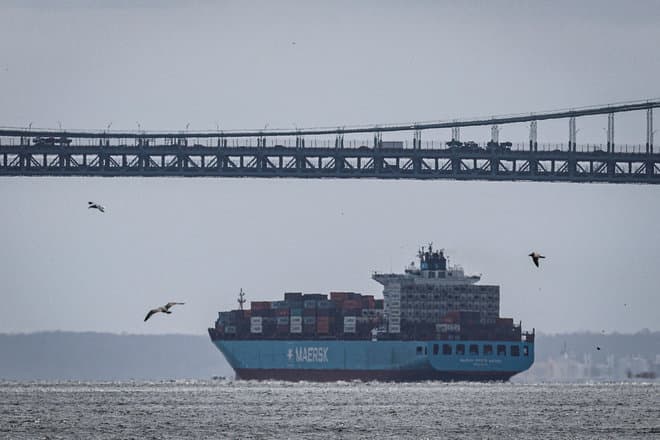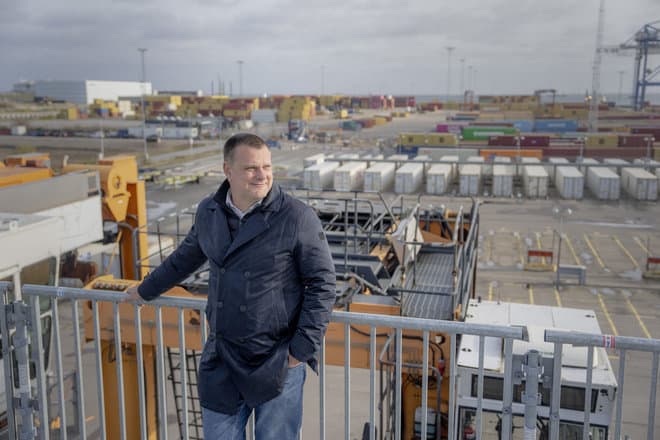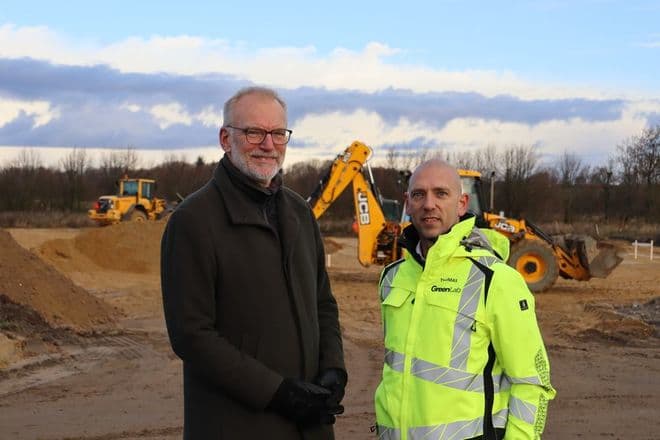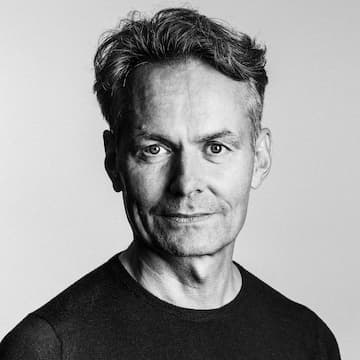
Among Danish port directors, a Danish researcher is both known and respected as a capacity in the area of ports. He is Henrik Sornn-Friese, an associate professor, PhD and center director for CBS Maritime. Despite his knowledge in the area, the port partnership, which was presented in April, came as a surprise, but he stands by one thing.
- It is important that you listen to the research. Sometimes initiatives like the port partnership come suddenly, and that does not have to be bad for that reason. I think it is very positive that there is focus on the development of Danish commercial ports. The ports are important, and we depend on well-functioning ports in society, says Henrik Sornn-Friese, who also leaves no doubt about one thing:
- We are ready to help the partnership if we are asked.
The researcher is also in no doubt about which directions the partnership should look in.
Two types of green transition
Ahead of the Danish ports, a green transition awaits, and a distinction is made between two different types of green transition at CBS Maritime.
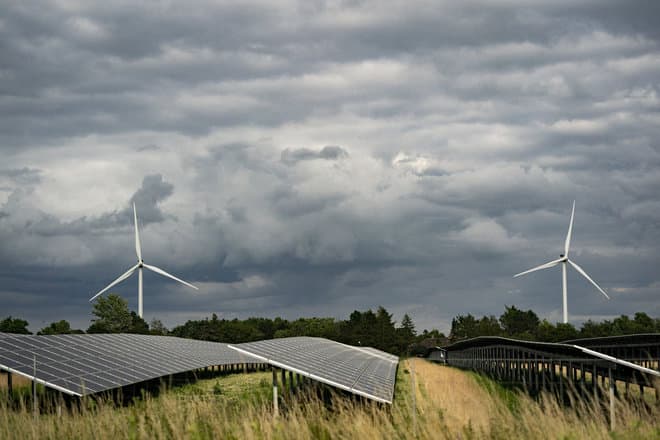
- All ports must go through the green transition, and some must go through the green energy transition. The green transition is about reducing CO2 emissions in each individual port, and this is the transition that awaits all ports. The green energy transition is about switching to the production of green energy. It could be the shipping of wind turbines or the production of green fuels, explains Henrik Sornn-Friese.
But not all ports will be part of the green energy transition, and not all are suitable for it.
- It requires space in the port. And it is not the small port located on a tip that can be included. For example, it must also be well located in relation to the electricity grid. Esbjerg is absolutely fantastic. You just have to think that it is a transition that has taken 25 years in the city. And that is only because there are synergies between oil and gas and the shipping of wind turbines. For other ports, it could, in the worst case, end in an economic disaster, emphasizes Henrik Sornn-Friese.
That doesn't change the fact that a major offshore wind shipping project is just around the corner, and there is work for more ports than Esbjerg.
- There is a need for shipping capacity. Here, Bornholm, Køge, Odense, Grenaa and Frederikshavn are obvious, he says, and offers some advice to the other ports:
- Suddenly everyone wants PtX, why not build on what you are already good at instead? We must not be blinded by the green transition.
Remember the citizens along the way
New forms of energy in ports can also mean that a port will become noisier and occupy more of the citizens' consciousness. This could end up being an obstacle to any expansions.
- We know from the USA that the whole discussion about cities and ports can end up stopping development. That is why dialogue with citizens is incredibly important, it says.
The researcher does not view the trend of housing in ports, which has spread to many of Denmark's port cities, positively.
- I am very critical of housing in ports. But we have 60 commercial ports in Denmark, and one could consider whether that is too many. If we compare with China, the country has 1,000 with a much larger population. So there could be housing in some of those ports, explains Henrik Sornn-Friese.
If you compare China with Denmark in relation to Denmark's population and number of commercial ports, Denmark should not have 60 ports as it does now, but only have almost four. Denmark has measured 17 times more ports than China in terms of population.
Get inspiration abroad
The researcher also has some specific advice for the port partnership for inspiration.
- Look at what the ports have done abroad. I would look at ports like Amsterdam, Rotterdam and Groningen. The Dutch ports have very explicit plans. For example, they say that some port area should be for circular businesses, says Henrik Sornn-Friese and gives examples of the innovative thinking:
- Often new companies at the port are small companies that lack capital. Amsterdam has started to run a bank for these companies.
Such innovation could probably not happen within the current port law.
- It may be that we need to look at the legal framework as well, says Sornn-Friese about a possible revision of the port law.
But even though banking and even ownership of companies within the start-up phase may be a good idea, there are limitations.
- It must be in the interest of the port, but at the same time it is important that the port does not enter and compete with private companies. The port must provide berths and space.
Innovation could also be part of new initiatives for the ports.
- Innovation houses are a good idea. Here, Pro Dock in Amsterdam is a good example of a well-functioning innovation house at a port. In Denmark, there is also already Norsea Innovation House in Esbjerg, he concludes.
Text, graphics, images, sound, and other content on this website are protected under copyright law. DK Medier reserves all rights to the content, including the right to exploit the content for the purpose of text and data mining, cf. Section 11b of the Copyright Act and Article 4 of the DSM Directive.
Customers with IP agreements/major customer agreements may only share Danish Offshore Industry articles internally for the purpose of handling specific cases. Sharing in connection with specific cases refers to journaling, archiving, or similar uses.
Customers with a personal subscription/login may not share Danish Offshore Industry articles with individuals who do not themselves have a personal subscription to Danish Offshore Industry.
Any deviation from the above requires written consent from DK Medier.