If you were to write a fairy tale about the fight against climate change, Sultan Al Jaber probably wouldn't have been cast as a hero.
He's from the United Arab Emirates, where the per capita carbon footprint is one of the highest in the world when consumption is taken into account, and he's also the head of the national oil company.
No, Jaber is not a classic climate hero. Yet he now finds himself at the centre of the world's climate fight as chairman of the UN climate summit - COP28 - which opens in Dubai on Thursday.
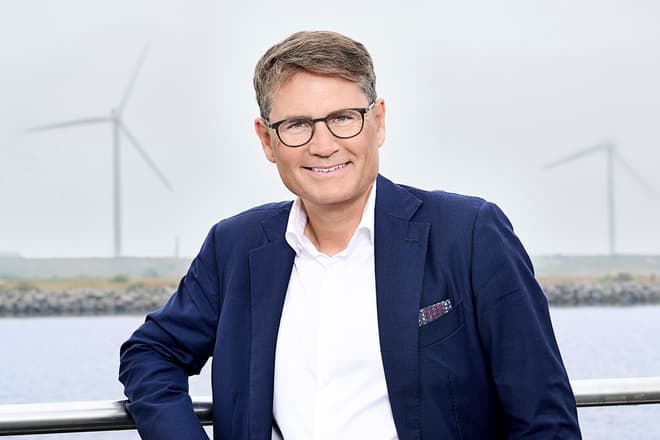
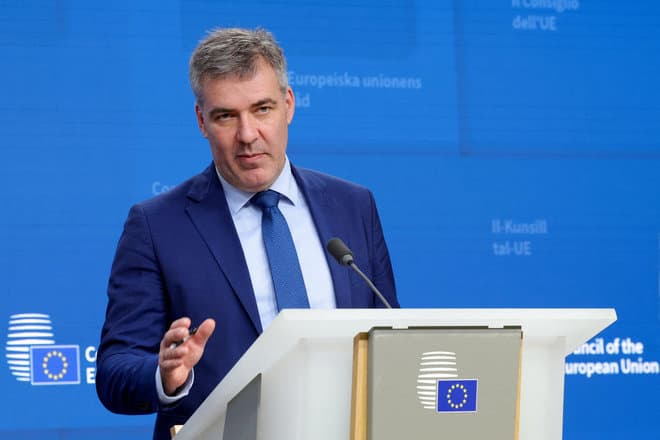
Despite the atypical leading role, Minister for Global Climate Policy Dan Jørgensen (S) is "cautiously optimistic".
- For example, Jabar has said that he will be happy the day he sells the last barrel of oil and that he supports a tripling of renewable energy.
- But it is clear that we are entering a COP where there are an incredible number of interests at stake, and all countries must participate, he says.
70,000 participants
The list of participants includes Pope Francis and the British King Charles, and around 70,000 participants are expected - politicians, activists and journalists.
Around 140 heads of state and government are coming, including Prime Minister Mette Frederiksen (S), but the leaders of the two largest emitters, the United States and China, are not coming. The backdrop for the summit is indeed gloomy, with conflicts and deep divisions that could drag their traces all the way into the negotiation rooms.
Russia's invasion of Ukraine continues, and in the Middle East a decades-long conflict has flared up again after Hamas' attack in Israel on October 7.
At the same time, the dry numbers speak for themselves: It is almost certain that 2023 will be the warmest year ever measured, and we are on track for higher temperatures than politicians had hoped.
Status of Paris goals
This year, for the first time, the status of the Paris Agreement goals, which were set to avoid the worst consequences of climate change, will be taken.
The goal is to limit the increase in global temperatures to below 2 degrees - and preferably no more than 1.5 - compared to pre-industrial levels.
We are on course for an increase of up to 2.9 degrees this century - if we follow our policies to the letter - and the key thing this year will be the response to that.
If you ask Dan Jørgensen, a dream result would be a goal of tripling renewable energy and doubling energy efficiency by 2030 - something that many countries have agreed to.
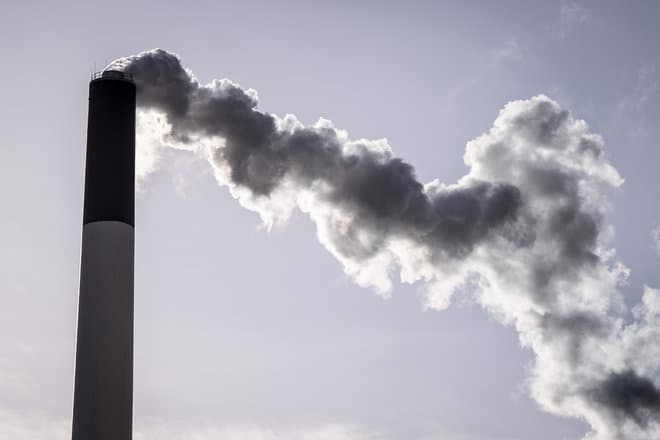
At the same time, there is also increasing pressure on fossil fuels - coal, oil and gas - which are the biggest cause of climate change. Combustion accounts for over 75 percent of the world's greenhouse gases.
Coal and other fuels
So far, the world has been able to agree to reduce the use of coal, where technologies do not capture the CO2, and several countries also want to have an agreement to reduce the use of other fuels - and perhaps phase them out completely.
- In UN negotiations, everyone must agree, so we must have everyone on board if we are to get results, and that is of course not easy.
- We must also have those on board who currently make a lot of money selling coal, oil and gas, but there is no way around it, says Dan Jørgensen.
The focus of the meeting is also money for the most climate-exposed countries, which have only accounted for a very small share of greenhouse gas emissions into the atmosphere.
In some of these countries, DanChurchAid is helping, and There is a lot at stake for them in the next few weeks, says climate advisor Mattias Söderberg.
- This is the last chance to land a political solution to the global climate crisis, he states in a comment. If the world's countries do not come together and take a time-out from all the conflicts and political disputes, the weather will develop into a disaster for the world's poor and fragile countries.
Then the question is how the adventure will end when Sultan Al Jaber puts the final touches. Jabar himself, who is also the head of the company Masdar, which is investing billions in renewable energy, has high ambitions:
- COP28 will have to be a historic turning point in this critical decade, he has previously said.
According to the plan, the meeting will end on December 12. However, it usually takes time, and the tension lasts until the last second, when previous COP presidents have had to watch the agenda being hijacked.
/ritzau/
Text, graphics, images, sound, and other content on this website are protected under copyright law. DK Medier reserves all rights to the content, including the right to exploit the content for the purpose of text and data mining, cf. Section 11b of the Copyright Act and Article 4 of the DSM Directive.
Customers with IP agreements/major customer agreements may only share Danish Offshore Industry articles internally for the purpose of handling specific cases. Sharing in connection with specific cases refers to journaling, archiving, or similar uses.
Customers with a personal subscription/login may not share Danish Offshore Industry articles with individuals who do not themselves have a personal subscription to Danish Offshore Industry.
Any deviation from the above requires written consent from DK Medier.