
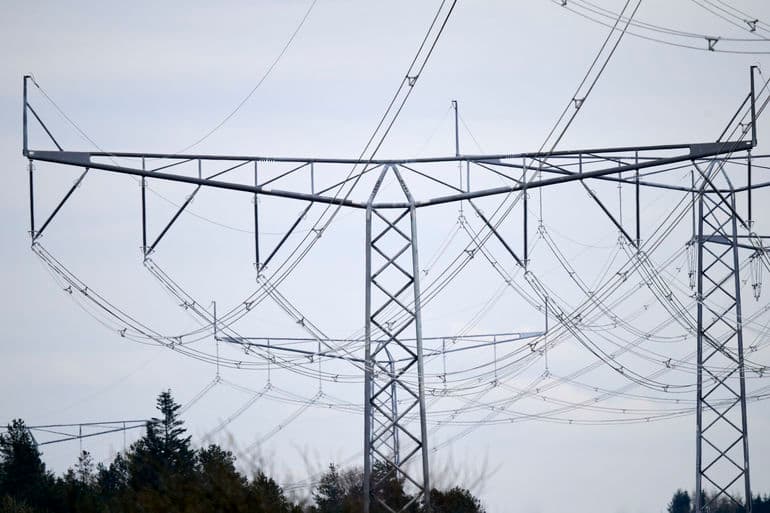
New framework conditions for environmental screening of cable and station projects can shorten the time to commissioning in several electricity grid projects by between six and 12 months. This is shown by a review of Energinet's project portfolio.
The change came into force on 1 January 2026 and means that Energinet can in several cases carry out environmental screenings itself without sending them to the authorities. According to Energinet, this provides greater flexibility in planning and the opportunity to adapt projects more quickly along the way.
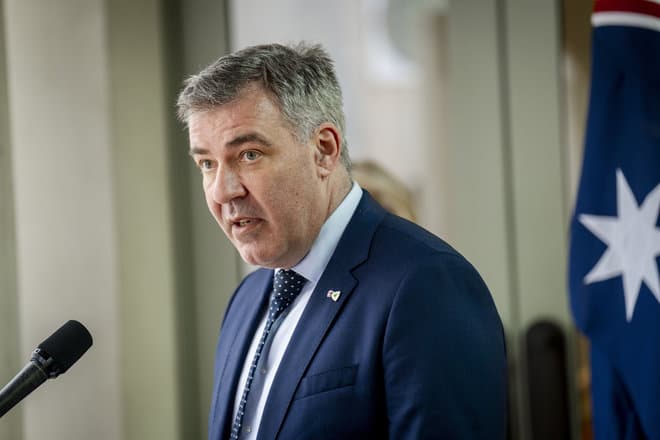
- The new framework conditions are the result of targeted and persistent efforts by the authorities, for which we are very grateful. This shows how important the close interaction is, says Nina Høegh Jensen, Director of Eltransmission, in a press release.
Energinet also emphasizes that the company must continue to comply with both Danish legislation and EU regulations on, among other things, Natura 2000 and habitat areas.
According to the review, the benefits are greatest in projects that are still in the maturation phase. Many projects that are already being established are so far advanced in the process that the new rules only provide limited time benefits.
Since the turn of the year, Energinet has withdrawn eight complete projects from regulatory processing and at the same time divided up a further 10 projects, so that only parts of them still need to undergo environmental impact assessments with the authorities. In total, the company is now carrying out the screening work for 28 projects itself.
According to Energinet, 10 projects in the maturation and establishment phase can achieve an average time gain of 10 months towards commissioning. As an example, Energinet points to a 15-kilometer underground cable connection between Kamstrup and Spanger in Central Zealand. The project was decided in 2020 and is expected to be put into operation in 2027. Around 3.5 years have been spent on environmental screening, while the construction work is expected to take around 1.5 years.
The new rules apply, among other things, to buried cables and high-voltage substations. Overhead transmission lines are still covered by the Environmental Assessment Act.
amp
Text, graphics, images, sound, and other content on this website are protected under copyright law. DK Medier reserves all rights to the content, including the right to exploit the content for the purpose of text and data mining, cf. Section 11b of the Copyright Act and Article 4 of the DSM Directive.
Customers with IP agreements/major customer agreements may only share Danish Offshore Industry articles internally for the purpose of handling specific cases. Sharing in connection with specific cases refers to journaling, archiving, or similar uses.
Customers with a personal subscription/login may not share Danish Offshore Industry articles with individuals who do not themselves have a personal subscription to Danish Offshore Industry.
Any deviation from the above requires written consent from DK Medier.