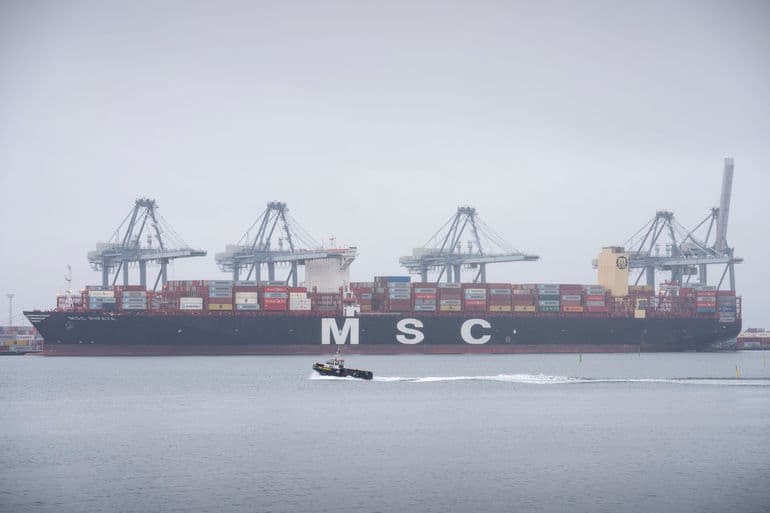
Denmark should not introduce a CO2 tax on international shipping as long as customs duties are as high as they are today. This is stated in a new analysis from the civil-liberal think tank CEPOS, which warns against putting climate initiatives on top of existing trade barriers. CEPOS writes this in a press release.
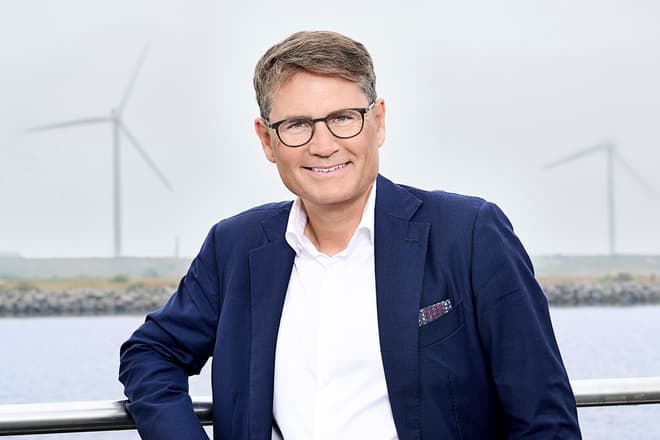
– Customs duties have a limiting effect – they push emissions down. The current level of tariffs is significantly higher than what the climate damage from shipping would warrant in terms of climate tax, and it will increase further with the planned US tariff increases, says Otto Brøns-Petersen, Head of Analysis at CEPOS.
CEPOS has calculated that the tariff revenue corresponds on average to DKK 6,606 per tonne of CO2 from shipping – far above the EU's current CO2 quota price of DKK 501 per tonne.
– The US has really caused very significant damage to shipping with the tariffs that are being imposed. So, wanting to contradict additional taxes is in that case a very small band-aid on a very large wound that they have made themselves, says Otto Brøns-Petersen.
He believes that climate taxes in themselves can be a more effective tool than tariffs – but only if they are introduced as a replacement and not as a supplement.
– If the goal is to reduce emissions, a climate tax will hit much more precisely than tariffs do. Therefore, ideally, tariffs should be dropped and replaced with a climate tax. But only in that order. Climate measures on top of the existing tariffs will increase the socio-economic costs of protectionism and cannot be justified on climate policy grounds, says Otto Brøns-Petersen.
Despite this, CEPOS warns against Denmark itself starting to regulate international shipping with national climate targets.
– It is important that international challenges such as greenhouse gas emissions are resolved at the international level. Denmark has no effective tools with which to back up a climate target. If Denmark introduces its own measures in shipping, it could lead to flagging without reducing greenhouse gas emissions, says Otto Brøns-Petersen.
jel
Text, graphics, images, sound, and other content on this website are protected under copyright law. DK Medier reserves all rights to the content, including the right to exploit the content for the purpose of text and data mining, cf. Section 11b of the Copyright Act and Article 4 of the DSM Directive.
Customers with IP agreements/major customer agreements may only share Danish Offshore Industry articles internally for the purpose of handling specific cases. Sharing in connection with specific cases refers to journaling, archiving, or similar uses.
Customers with a personal subscription/login may not share Danish Offshore Industry articles with individuals who do not themselves have a personal subscription to Danish Offshore Industry.
Any deviation from the above requires written consent from DK Medier.