
The gas reserves in the EU are "not impressive", and they must be filled up to 90 percent by November 2025. This will have consequences for the price, says a senior economist. He predicts increased debt in the US and problems for Trump with his voters.
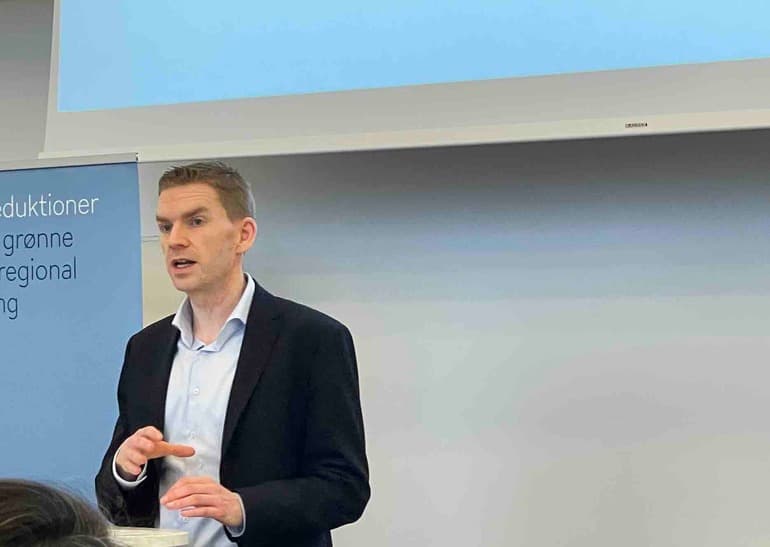
Forecasts for the future are in demand after Donald Trump has once again entered the White House as US president. Energy prices and the economy have also come into focus, and senior economist Kim Blindbæk from Sydbank can give a qualified opinion on what we should expect in the coming time. Dansk Offshore had brought Kim Blindbæk to one of the industry organization's Breakfast Briefings for offshore industry companies at Semco Maritime in Esbjerg.
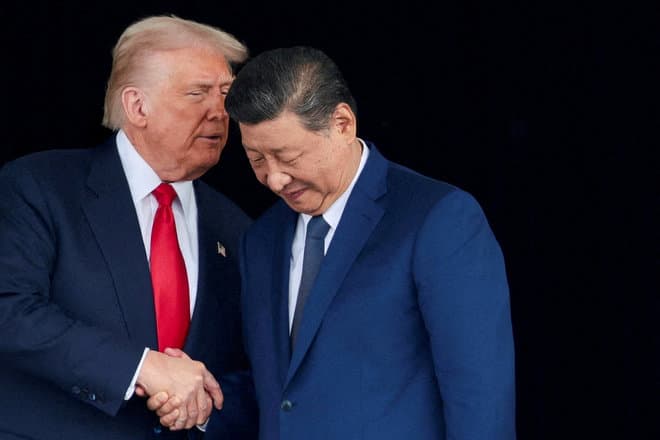
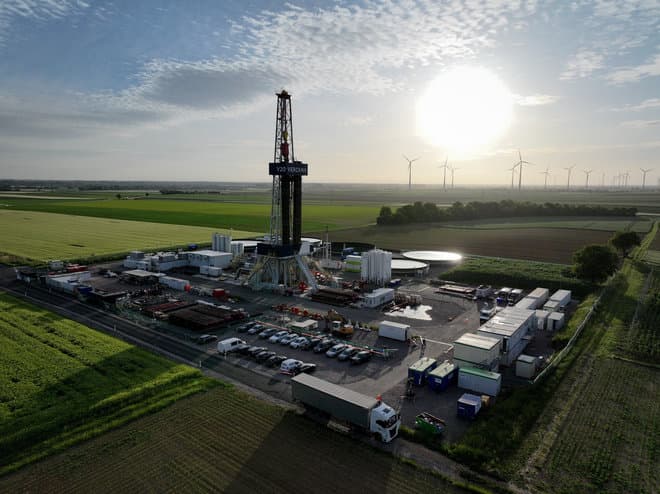
With Trump at the helm in the US, increased oil and gas production is expected. At the same time, a significant event has already occurred that affects:
- You may have noticed that gas from Russia was shut down just after New Year in Ukraine, says Kim Blindbæk, who is already looking forward to next winter's gas consumption:
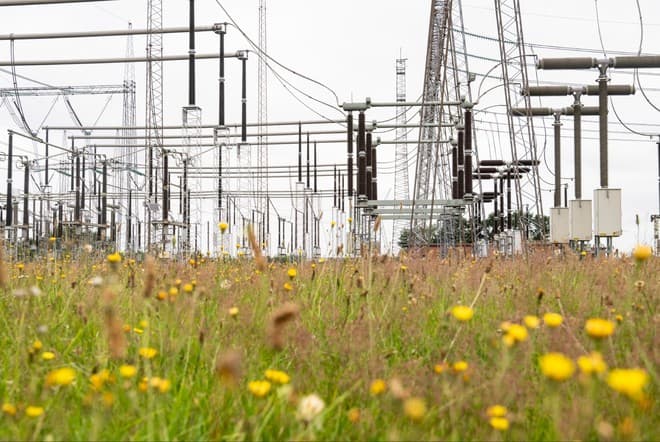
- The EU's gas reserves are not impressive, and the EU has decided that the stocks must be up to 90 percent by November 2025.
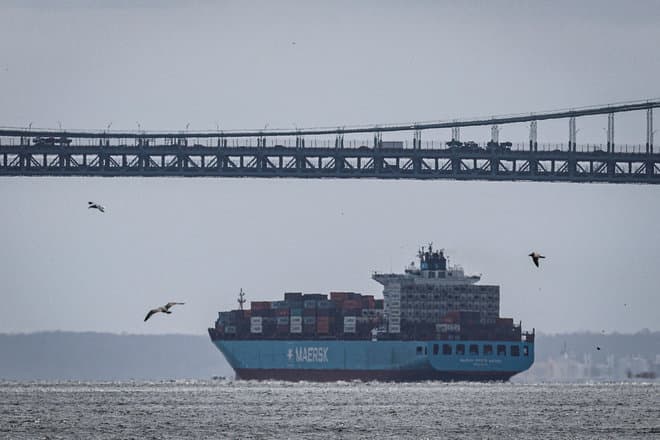
This could have a significant impact on the liquefied gas, LNG, that is already being shipped from the US to Europe on ships. This is something we will see more of in the future.
- There are plans to increase, in fact double, the import of LNG over the next five years, explains Kim Blindbæk.
Tariff war and the consequences
However, the president's threats of import duties on European products could also mean that the EU would impose the same tariffs on American products. This would then mean that Trump himself could end up damaging US exports of LNG.
- It is not yet known whether some areas will be exempted or whether it will only apply to a few areas. Denmark mainly exports medicine to the US, and it may be difficult for the US to do without it, says the senior economist.
Inflation has returned like a ghost from the past. It is under control now, but the question is whether it will come again.
- We have seen the highest inflation in several decades at 11 percent in 2020. Now it is down to around two percent, explains Kim Blindbæk and presents grim facts:
- Historically, there has always been a recession every time there has been high inflation. But I don't think it will happen this time, because the US economy is doing well. At the same time, job numbers are stable.
Although he does not believe in a recession, there is another comparison that does not bode well.
- When we compare inflation in the period 1971 to 1985 with inflation from 2020, we can see that inflation returned strongly in the 1970s, it says.
That could mean an explanation problem for Donald Trump, who was elected on lower consumer prices.
- That would then mean that Trump has to explain to his voters why prices are rising, explains Kim Blindbæk.
The danger of increased US debt
The US debt is already high in relation to the country's GDP, and it will in all likelihood become greater under Trump.
- The US debt will increase. Now the debt is around 120 percent. of GDP, and that figure is expected to reach 170 percent. It will not matter as long as the US can maintain its debt. Otherwise, investors will lose confidence in the US, Kim Blindbæk states.
For comparison, Denmark has a public debt of around 34 percent. of GDP, while countries like Greece and Italy in the EU are up to around 150 and almost 140 percent.
Text, graphics, images, sound, and other content on this website are protected under copyright law. DK Medier reserves all rights to the content, including the right to exploit the content for the purpose of text and data mining, cf. Section 11b of the Copyright Act and Article 4 of the DSM Directive.
Customers with IP agreements/major customer agreements may only share Danish Offshore Industry articles internally for the purpose of handling specific cases. Sharing in connection with specific cases refers to journaling, archiving, or similar uses.
Customers with a personal subscription/login may not share Danish Offshore Industry articles with individuals who do not themselves have a personal subscription to Danish Offshore Industry.
Any deviation from the above requires written consent from DK Medier.