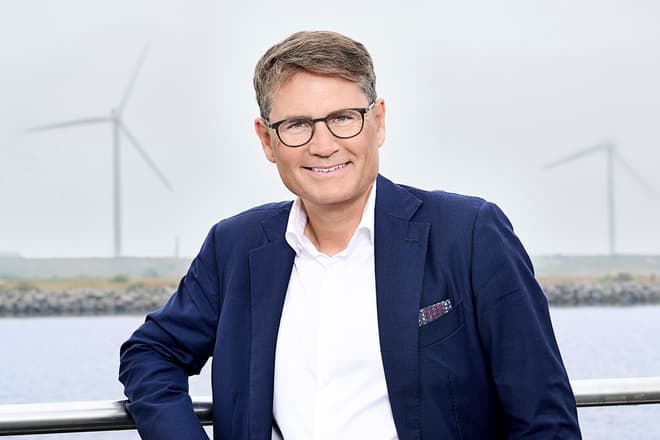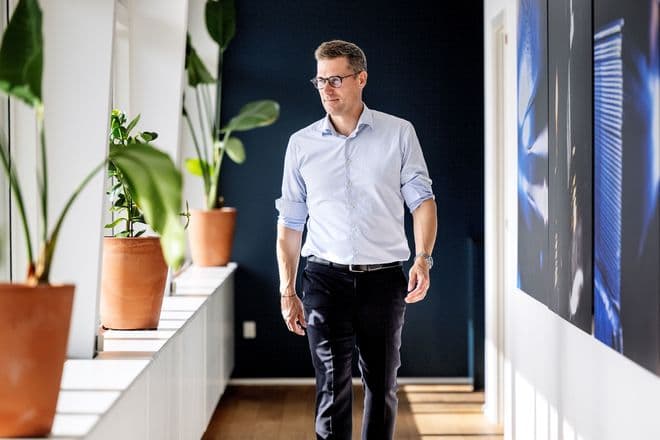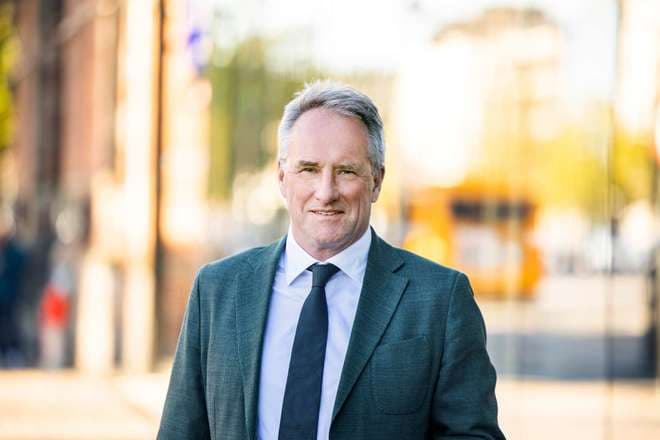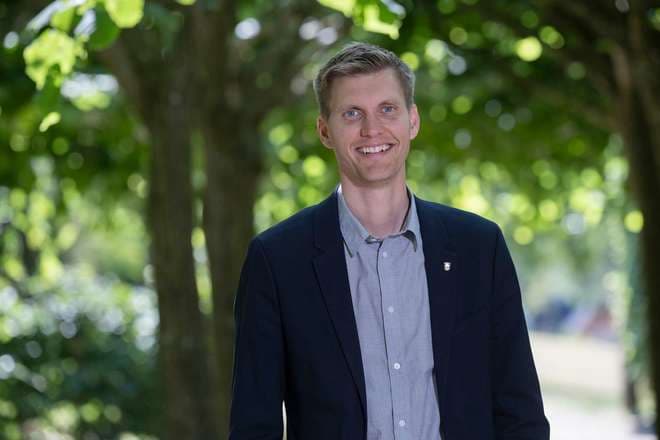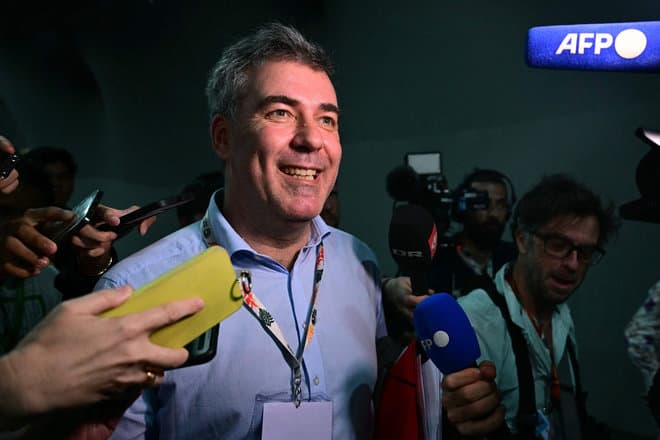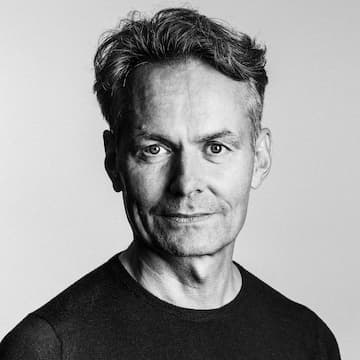
CEO Henrik Andersen from Vestas Wind Systems takes the stage at Thursday's annual meeting at Green Power Denmarks with a question.
- Are there any journalists here today? - a clearly well-intentioned Henrik Andersen asks the gathering and immediately comes up with the answer himself:
- There are four of my employees who nod yes, then I will be more moderate.
Maybe he has already forgotten it, almost in the same sentence, because he jumps straight into the problems of the wind industry.
- The way we fight each other, I can say: It will only get worse in the future, he promises.
The Vestas man gives the explanation in a completely tangible and understandable way.
- I have two daughters, 22 and 24 years old, who live here in Copenhagen. I had to sit down and explain to them what interest is. And why do they have to pay more to live in their apartments now, says the CEO, who also says he had to mitigate his daughters' increasing interest costs.
The example that high interest rates are not something that has been a familiar concept in his daughters' lifetimes is not a coincidence. High interest rates are also one of the problems for the wind industry. Tempo is another problem for the industry, and permits are an important part of this.
- I am also sure that if we had still had high electricity prices, the permits would have been there already, says Henrik Andersen.
The tempo - what is needed
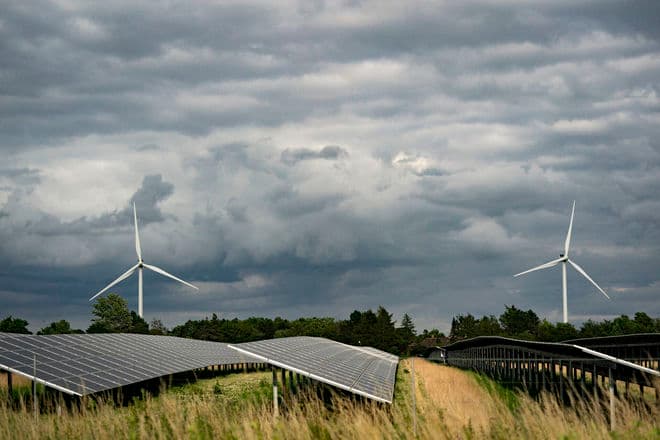
The European target of expanding wind power to 425 GW by 2030 does not seem to be reached, says the CEO. In 2023, there were 220 GW of wind in the EU. But Vestas expects that only approx. 16 GW each year until 2030.
This ends up at a total of 332 GW, so there will be a shortfall of 93 GW in 2030 to meet the EU wind targets. Scale is the watchword, and Henrik Andersen has a way of making it absolutely clear and distinct to the audience.
- Ten GW corresponds to 200 blades times ten, to make room for them, I would need the entire area of Funen to make room for them in one year, he explains and concludes:
- If we continue as we have for the last ten years, we will only reach 332 GW, and thus we will miss the EU targets of 425 GW.
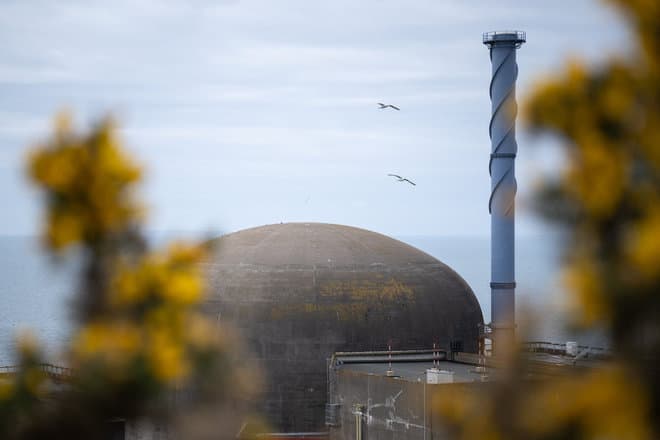
He also states that regardless of one's position on A-power, it is not an alternative to wind.
- I have nothing against A-power, but here the expansion cannot be achieved by 2030 at all.
The country of the future to the south
In the European perspective, however, there is one country that is doing extremely well with the speed of wind expansion. It is Denmark's big neighbor to the south, and that is due to the German government in Berlin.
- I am very impressed with the German government, but is it the most popular, Henrik Andersen again rhetorically asks the assembly.
The German government is historically unpopular, and part of that is due to the switch to heat pumps. But with renewable energy, something is actually happening.
- In Germany, the government meets every other week, where they sit down in something that resembles a war room and get things done, says Henrik Andersen and turns to Denmark:
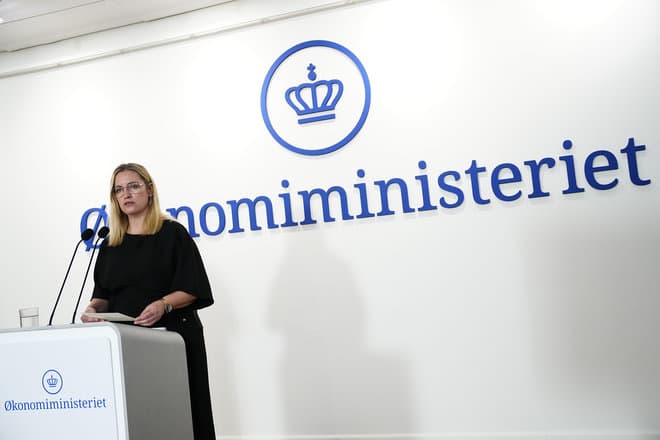
- We have built a large bureaucracy over the past few years with permits. And some ministries in this country only think about how to get money out of it.
Text, graphics, images, sound, and other content on this website are protected under copyright law. DK Medier reserves all rights to the content, including the right to exploit the content for the purpose of text and data mining, cf. Section 11b of the Copyright Act and Article 4 of the DSM Directive.
Customers with IP agreements/major customer agreements may only share Danish Offshore Industry articles internally for the purpose of handling specific cases. Sharing in connection with specific cases refers to journaling, archiving, or similar uses.
Customers with a personal subscription/login may not share Danish Offshore Industry articles with individuals who do not themselves have a personal subscription to Danish Offshore Industry.
Any deviation from the above requires written consent from DK Medier.