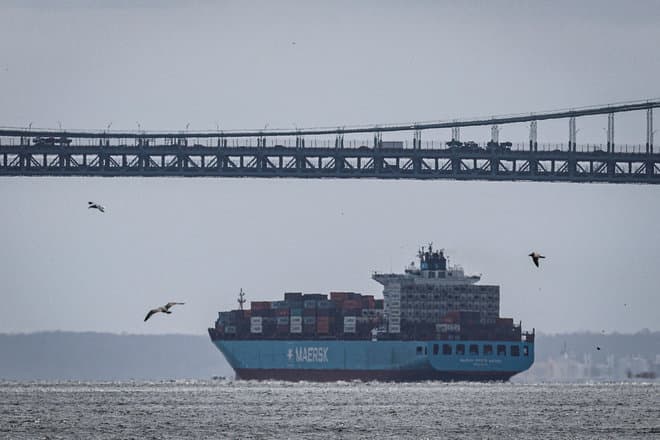
Drug smugglers have increasingly begun to redirect traffic from large Central European ports to smaller ports on the Scandinavian coast.
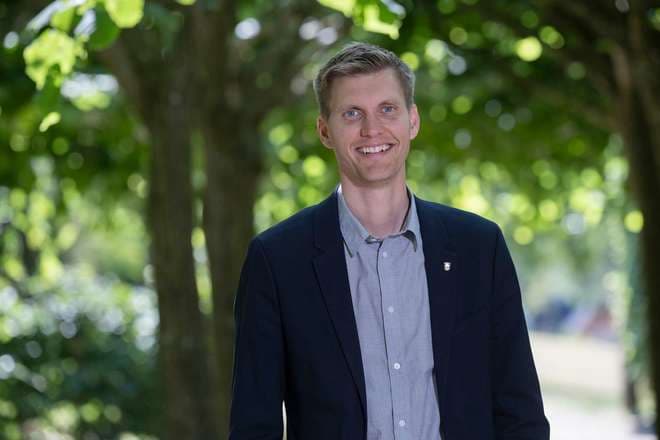
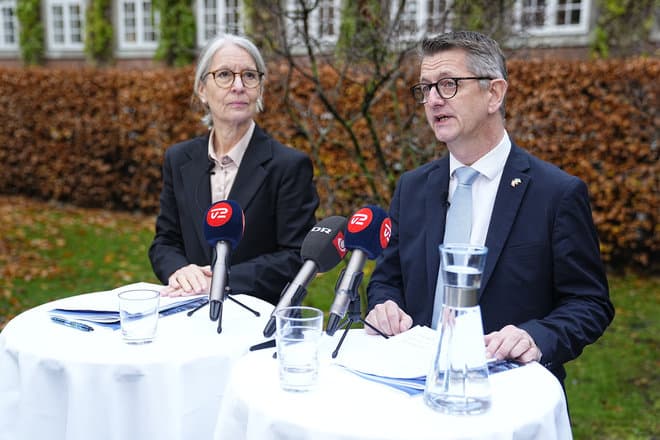
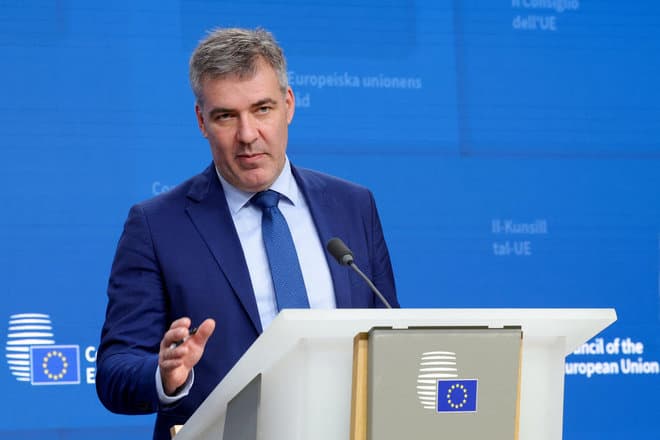
This is according to Minister of Justice Peter Hummelgaard (S) on Monday, before he hosts a meeting of the European Ports Alliance in Helsingør later in the day.
According to him, the redirection to smaller ports is one of the consequences of progress in the fight against organised crime at Central European ports.
This is precisely what the alliance will discuss at its meeting on Monday, says the minister.
- We need to learn from the efforts that have worked in the ports around Antwerp, Rotterdam and Hamburg, and at the same time become more aware of what we stand for with the smaller ports, he says.
The European Ports Alliance, which was launched in January last year, aims to strengthen cooperation between ports, police, authorities and private companies in the fight against drug crime.
- Drug trafficking accounts for a fifth of the income of criminal networks globally. If we want to eliminate organized crime, which leaves a long trail of blood, death and destruction in its wake, we need to hit the economic nerve, he says.
Close cooperation is crucial
According to the minister, close cooperation between European countries and private actors is crucial in this fight. Almost 70 percent of all drug seizures in Europe occur in EU ports, according to figures from the European Commission from 2024. This applies in particular to the large European ports of Antwerp, Rotterdam and Hamburg.
The majority of the smuggled drugs consist of cocaine. Year after year, customs authorities in Belgium and the Netherlands have broken records in seizures of the euphoric drug.
Since the launch of the port alliance in January last year, ideas, policies and intelligence have been exchanged between authorities and private actors across European countries.
Part of the alliance meeting on Monday is about providing input to the work on a port strategy in the EU that focuses on the safety aspect in ports.
Hummelgaard also mentions a focus on how to eliminate dumping of drugs at sea.
The answer to this and the general problem of drug smuggling is as much knowledge sharing as possible, he says.
This applies to European countries but also to Latin America, he points out.
/ritzau/
Text, graphics, images, sound, and other content on this website are protected under copyright law. DK Medier reserves all rights to the content, including the right to exploit the content for the purpose of text and data mining, cf. Section 11b of the Copyright Act and Article 4 of the DSM Directive.
Customers with IP agreements/major customer agreements may only share Danish Offshore Industry articles internally for the purpose of handling specific cases. Sharing in connection with specific cases refers to journaling, archiving, or similar uses.
Customers with a personal subscription/login may not share Danish Offshore Industry articles with individuals who do not themselves have a personal subscription to Danish Offshore Industry.
Any deviation from the above requires written consent from DK Medier.