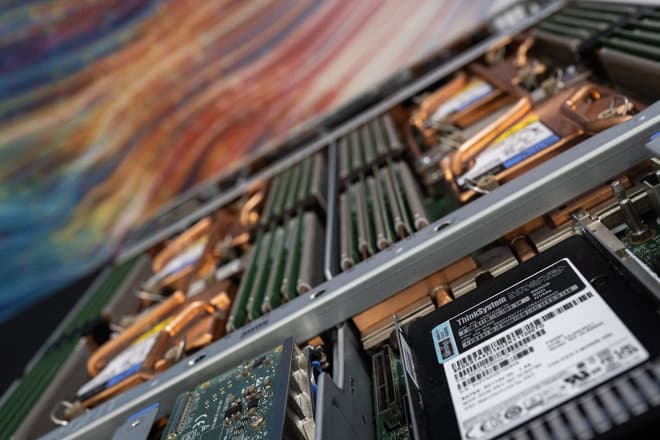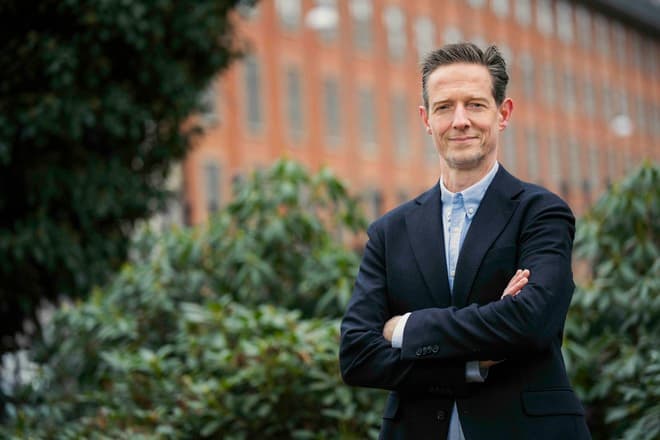



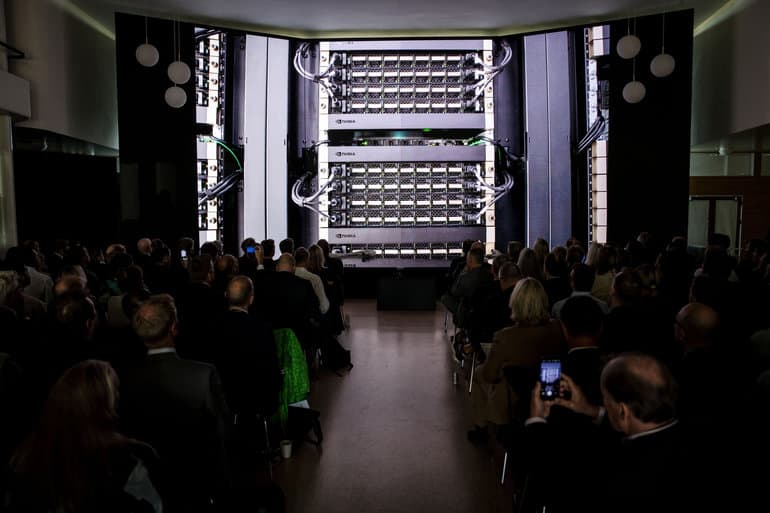
A new supercomputer, inaugurated in Copenhagen on Wednesday, will be used to convert CO2 into green fuels. That is the ambition of a team of researchers from DTU led by Professor Tejs Vegge. They are among the first to be given access to the supercomputer, which was inaugurated by King Frederik on Wednesday.
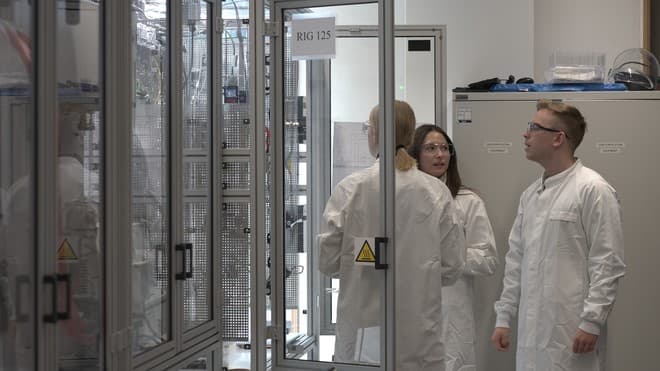
- We will design new enzymes that can convert CO2 into sustainable chemicals and fuels. We will use methods based on artificial intelligence, which are perfectly suited to run on this new super league computer that Denmark has received, says Tejs Vegge.
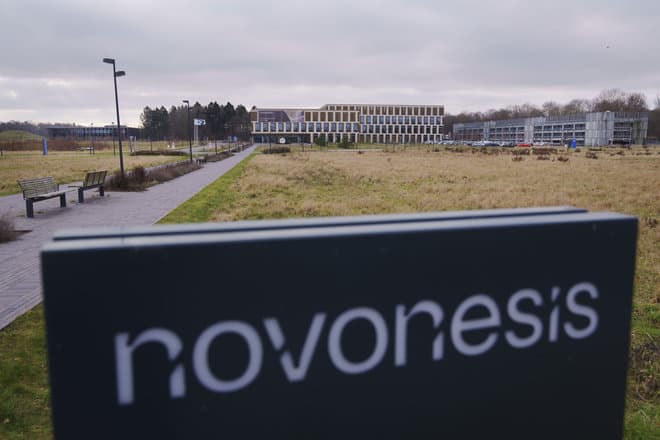
The supercomputer, named Gefion, is the result of a partnership between the Novo Nordisk Foundation, the Danish Export and Investment Fund (EIFO) and the American chip giant Nvidia.
According to Tejs Vegge, the supercomputer can make calculations that are 10,000 times faster than the computing power that is otherwise available. This means that the technology can be used to find enzymes and enzyme mutants that can be added to CO2 and thereby convert carbon dioxide into green fuels.
- Then we can take CO2 and use enzymes to convert it into, for example, methanol, which Maersk can use for their ships. This is a very important part of reducing CO2 emissions, he says.
In September, Maersk was delivered the world's first methanol-powered container ship, and the plan is to acquire more.
Professor: Opens up possibilities I have only dreamed of so far
For Professor Tejs Vegge, the supercomputer opens up completely new possibilities that he has only dreamed of so far.
- It's absolutely fantastic. I can hardly sleep at night. It's an opportunity we've been dreaming about, he says.
He expects the process of identifying enzymes and enzyme mutants that can be used for this purpose to take "a few years".
- Nature has had three billion years to make the enzymes that can do this. We don't have three billion years, but perhaps only barely three years to make new structures that can convert CO2 into sustainable fuel and chemicals, he says.
CEO of the Confederation of Danish Industry Lars Sandahl Sørensen also sees great prospects in the new technology.
- With the supercomputer, we can take a seven-mile step forward towards developing the solutions we need in the fight for, for example, a better climate and for better treatment of serious diseases.
- And that can only be done with such a powerful capacity, he says in a comment.
/ritzau/
Text, graphics, images, sound, and other content on this website are protected under copyright law. DK Medier reserves all rights to the content, including the right to exploit the content for the purpose of text and data mining, cf. Section 11b of the Copyright Act and Article 4 of the DSM Directive.
Customers with IP agreements/major customer agreements may only share Danish Offshore Industry articles internally for the purpose of handling specific cases. Sharing in connection with specific cases refers to journaling, archiving, or similar uses.
Customers with a personal subscription/login may not share Danish Offshore Industry articles with individuals who do not themselves have a personal subscription to Danish Offshore Industry.
Any deviation from the above requires written consent from DK Medier.