


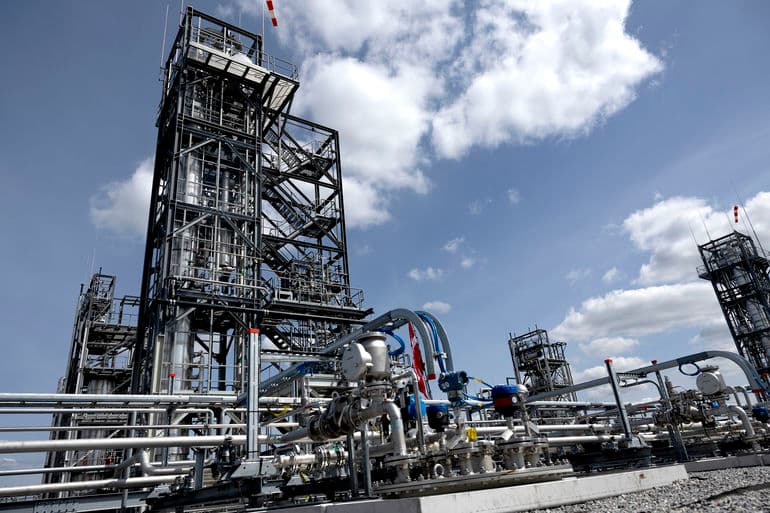
E-methanol produced at the Kassø Power-to-X plant in Aabenraa has been converted into gasoline in a German pilot project. The project will demonstrate how renewable methanol can be used as a raw material for fuels in the transport sector. This is stated by European Energy in a press release.
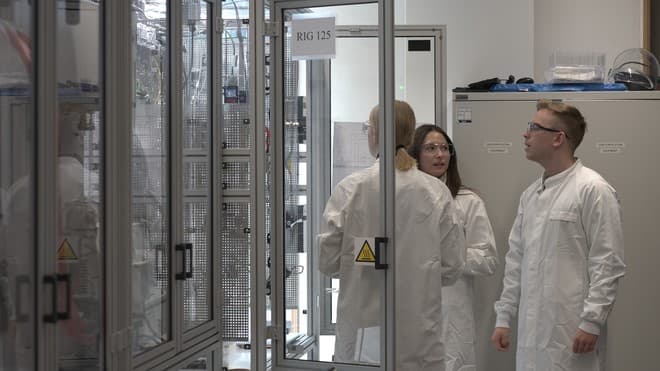
The 86 tons of e-methanol were processed at a large-scale pilot plant at TU Bergakademie Freiberg in Germany as part of the research project DeCarTrans. Here, the methanol was converted into gasoline using the CAC METHAFUEL process developed by CAC Engineering and the university.
Subsequently, the product was upgraded by Lother Group and eFUEL GROUP to various gasoline types, including RON95 E10, RON98 E10 and RON102.
According to European Energy, the project shows that e-methanol produced from renewable electricity, water and captured biogenic CO2 can be refined into so-called drop-in fuels that can be used in existing car engines and distribution systems without technical changes.
- We see e-methanol as a flexible intermediate that can be used across multiple fuel pathways. The project shows that the production in Kassø can support further processing into fuels that are compatible with existing infrastructure, says René Alcaraz Frederiksen, EVP and Head of Power-to-X at European Energy.
The Kassø plant is owned by Solar Park Kassø, a joint venture between European Energy and Mitsui & Co. The plant produces RFNBO-certified e-methanol using green hydrogen produced from renewable energy and water combined with biogenic CO2. The plant has an annual production capacity of approximately 42,000 tons of e-methanol and supplies, among others, to the shipping, chemical and fuel sectors.
European Energy also highlights that e-methanol can also be used as an intermediate product in the production of e-SAF for aviation. At the same time, demand for RFNBO fuels is expected to increase in line with new European requirements and incentives for renewable fuels in the transport sector.