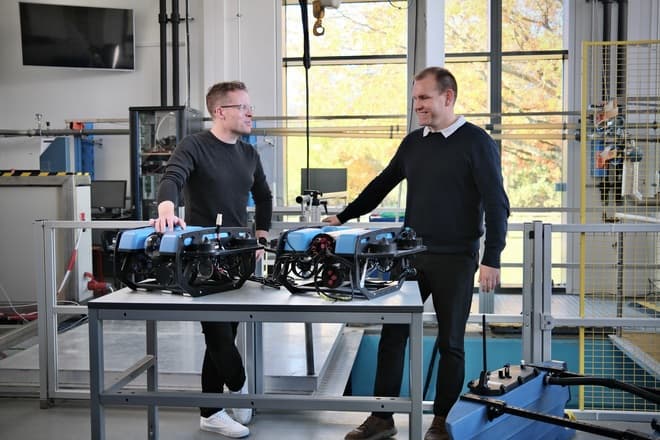
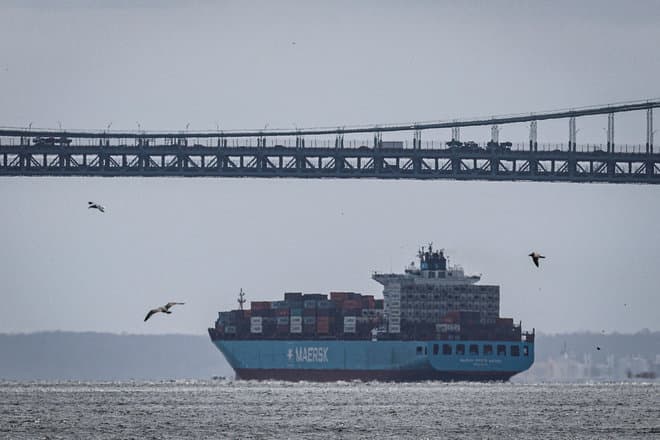
Deep below the surface of the Baltic Sea lie thousands of old bombs and mines from World War II, which pose a serious risk to both the environment and new infrastructure projects such as offshore wind turbines and data cables. The bombs date back to the end of World War II, when the Allies dumped large quantities of German ammunition into the sea. Precise information about quantities and locations is lacking, which makes today's tasks complex. This is reported by DR.
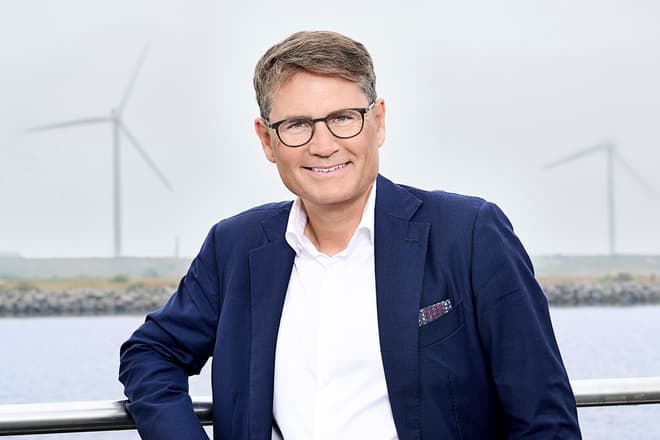
Experts estimate that over one million tons of unexploded ordnance are scattered in the sea, and now an international research team with Danish participation is mapping and investigating how best to handle explosive finds. The project is funded by the EU Commission and will contribute data until 2027. One of the Danish participants, senior researcher Hans Sanderson from Aarhus University, is the project manager for the mapping.
- There are large quantities out there, and we need to use the seabed more efficiently. That is why it is crucial that we get a handle on this, says Hans Sanderson, a senior researcher at Aarhus University and project manager of the EU project.
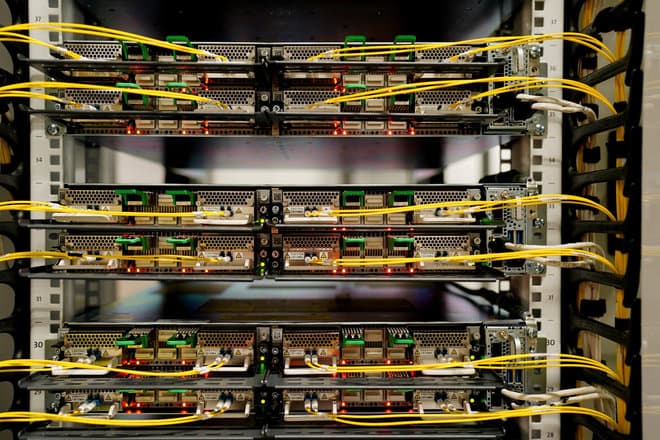
The cleanup is to ensure that future construction projects, such as wind farms and cables, are not affected by the old weapons. One example is GlobalConnect's fiber cable Aurora between Sweden and Germany, which was delayed by up to six months and incurred additional costs as the route crossed an area with up to 3,000 possible bomb locations. The company had to remove 200 bombs before the cable could be laid.
amp
Text, graphics, images, sound, and other content on this website are protected under copyright law. DK Medier reserves all rights to the content, including the right to exploit the content for the purpose of text and data mining, cf. Section 11b of the Copyright Act and Article 4 of the DSM Directive.
Customers with IP agreements/major customer agreements may only share Danish Offshore Industry articles internally for the purpose of handling specific cases. Sharing in connection with specific cases refers to journaling, archiving, or similar uses.
Customers with a personal subscription/login may not share Danish Offshore Industry articles with individuals who do not themselves have a personal subscription to Danish Offshore Industry.
Any deviation from the above requires written consent from DK Medier.