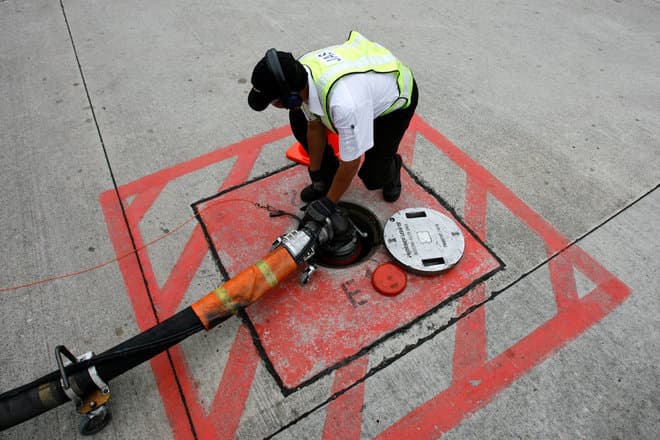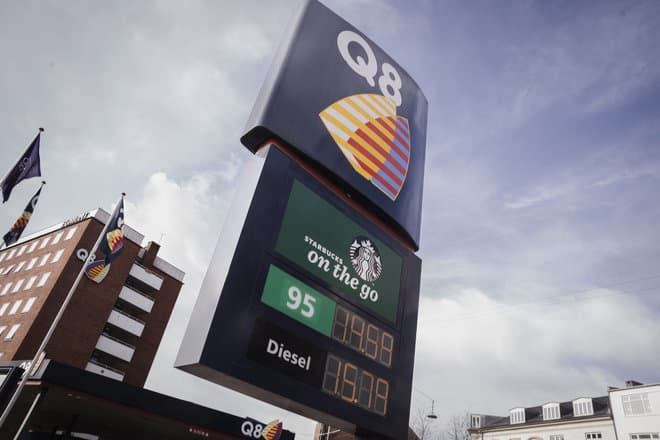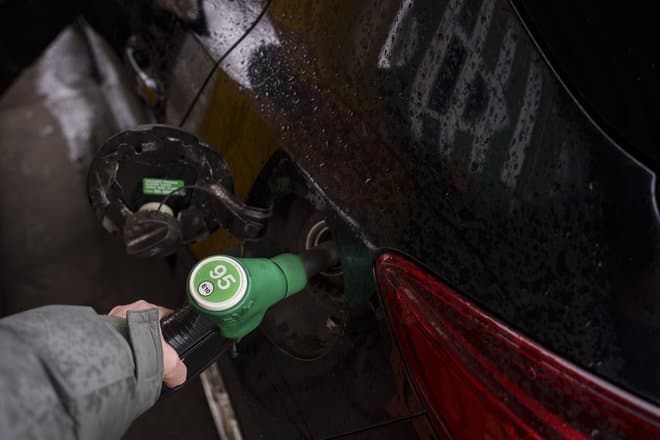



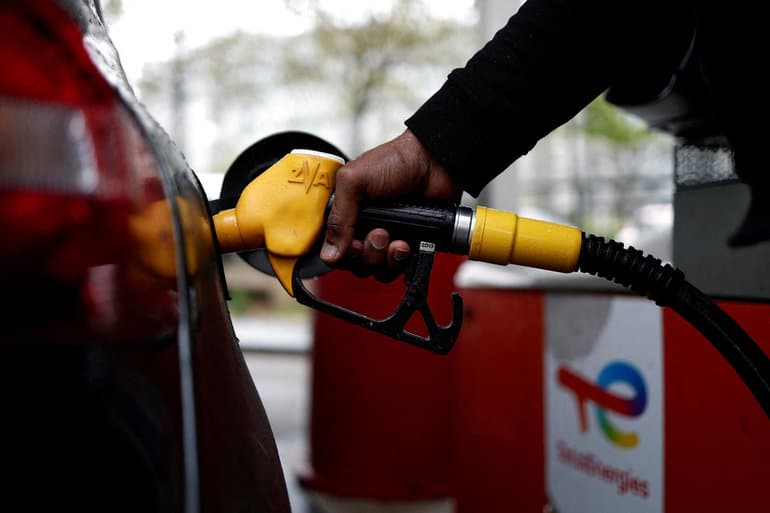
The International Monetary Fund (IMF) is warning European countries against cutting fuel taxes in response to rising energy prices due to the war in the Middle East. The organization does so in a Europe analysis published on Friday.
- When energy prices rise and it hurts people and businesses, politicians feel pressure to act, writes the IMF.
- The temptation is to stop price increases by using price caps, universal compensation or reducing fuel taxes. These are unwise measures.
The IMF is a global organization with 191 member countries that works to promote global economic and financial stability.
It justifies the warning against cutting fuel taxes with several factors. On the one hand, untargeted support will benefit households with high incomes to a greater extent, as they use more energy than households with lower incomes.
In addition, higher prices are a signal to consume less in a situation of pressure on supplies. And that signal is dampened if prices are lowered with a number of measures, writes the IMF.
- Broad support suppresses the price signal - the incentive in the market that causes people and companies to reduce consumption, increase efficiency and invest in alternatives, says the IMF assessment.
Energy analyst subsidies push energy prices up
In Germany, the government has presented a proposal to spend 1.6 billion euros from May 1 to June 30 to mitigate the effects of higher global fuel prices. This corresponds to almost 12 billion kroner. Among other things, it will go to lower fuel taxes. In Denmark, several parties have proposed something similar.
Politiken has spoken to Alfred Arnborg, an energy analyst at the think tank Europa. He concludes in an analysis that 20 out of 27 EU countries have introduced "some form of subsidization or price cap on oil and gas". Meanwhile, Bulgaria subsidizes electricity prices.
This pushes up prices on the world market, which, among other things, benefits an oil and gas exporting country like Russia, he points out.
The IMF provides loans to countries in economic crisis and monitors global economic development to prevent crises.
/ritzau/
Text, graphics, images, sound, and other content on this website are protected under copyright law. DK Medier reserves all rights to the content, including the right to exploit the content for the purpose of text and data mining, cf. Section 11b of the Copyright Act and Article 4 of the DSM Directive.
Customers with IP agreements/major customer agreements may only share Danish Offshore Industry articles internally for the purpose of handling specific cases. Sharing in connection with specific cases refers to journaling, archiving, or similar uses.
Customers with a personal subscription/login may not share Danish Offshore Industry articles with individuals who do not themselves have a personal subscription to Danish Offshore Industry.
Any deviation from the above requires written consent from DK Medier.