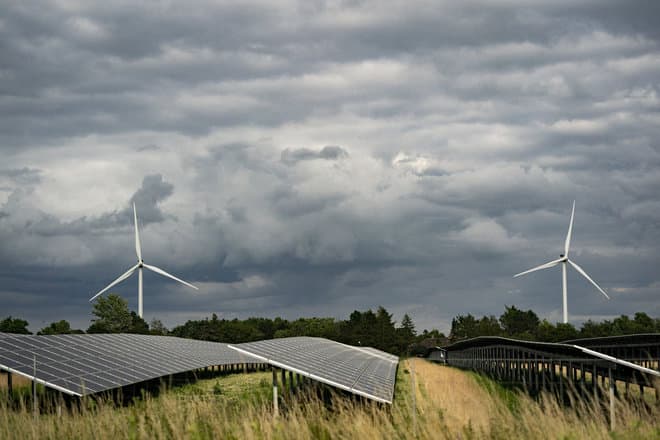
In Denmark, we often boast about our wind turbines, but it is actually a completely different source that makes up the majority of the renewable energy we consume.
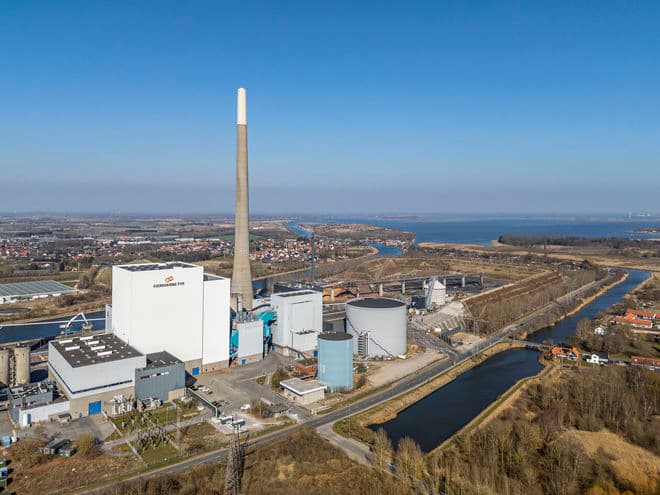
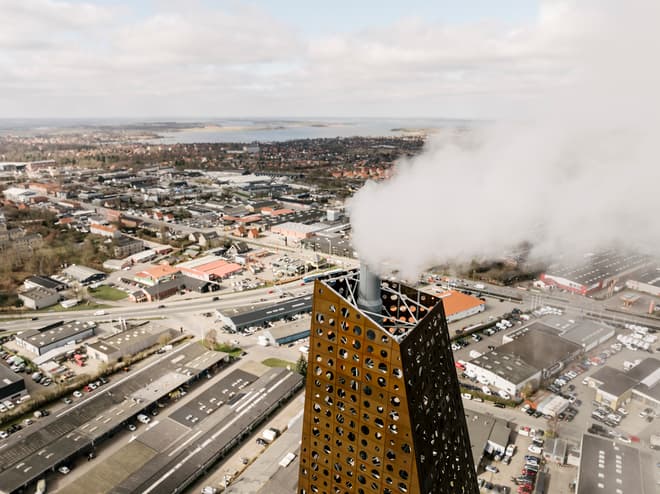
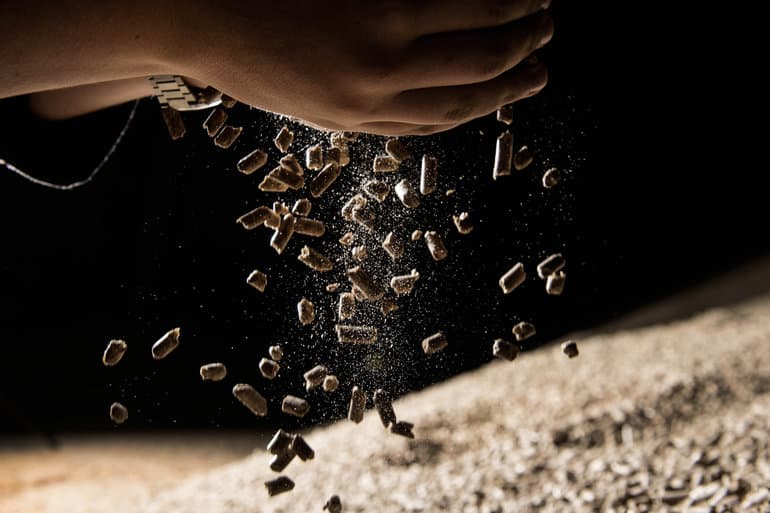
Burning biomass as wood pellets has largely replaced fossil energy in the energy system and has ensured large reductions in our climate accounts. But in the future, new regulations may have an impact on our consumption.
- There is no specific strategy in this area today, but the EU is currently conducting preliminary exercises, says Peter Møllgaard, chairman of the Danish Climate Council.
The consumption of biomass is expected to increase massively and may be subject to new regulations, which may affect the large-consuming countries, including Denmark.
- It is obvious that this means that we must reduce our consumption. And we should do that anyway.
Controversial energy source
In 2022, renewable energy covered almost half of our energy consumption. Two-thirds came from burning biomass. On paper, this is climate-neutral, but is a controversial figure. As the tree grew, it absorbed CO2 from the atmosphere. It is emitted again when the tree is burned. Instead, new trees can be planted.
The amount of CO2 that is emitted is thus stored in trees again. However, it takes decades for this to happen. Meanwhile, the CO2 concentration in the atmosphere is increasing.
It is also difficult to be sure that new trees are being planted, because a large part of biomass is imported, says Julie Bangsgaard Abrahams from the Danish Council for Green Transition.
- We do not count the emissions that exist at all, and in Denmark we live well from the fact that the emissions are counted in the country where the forest is cut down.
Increasing consumption, which is expected in the EU, also risks affecting the forests that absorb CO2.
- In recent years, at a European level, we have seen a trend towards forest biomass being increasingly used for energy purposes, says Peter Møllgaard from the Danish Climate Council.
The Council recommends that a strategy be developed to phase down and prioritize the use of biomass, and that a tax be introduced that reflects the climate effect.
- We uses a lot of biomass today. These new initiatives may have an impact on the role it can play in our consumption of renewable energy towards the goal of climate neutrality.
The Council for Green Transition also wants a tax on the use of biomass. According to Julie Bangsgaard Abrahams, Senior Advisor at the Council for Green Transition, we in Denmark are good at several things in the green transition:
- But right now we are dependent on the fact that not many people choose to copy the way we do it.
She points out that Great Britain, among others, is investing heavily in biomass. Consumption is also expected to grow in the EU.
Minister expects consumption to fall with the expansion of renewable energy
Minister of Climate, Energy and Utilities Lars Aagaard (M), however, expects that the large expansion of solar and wind will reduce our consumption. He points out that the consumption of wood biomass for electricity and district heating is expected to fall by more than 50 percent by 2035.
- But completely doing without biomass is not realistic if we want to be sure of having a secure supply of electricity, he says in a written comment.
Lars Aagaard emphasizes that Denmark goes beyond the EU's minimum requirements when it comes to the demands we make on the sustainability of biomass. The requirements are currently being evaluated. During this year, the government will, on this basis, come up with a proposal to possibly tighten them.
At Green Power Denmark, which is the mouthpiece for the energy sector, they do not see a need for a strategy to reduce consumption. Department Head Martin Dam Wied expects that consumption will fall by itself if we succeed in the planned expansion of solar and wind energy.
- It must be used wisely in the future. In some cases to maintain our security of supply, but also to make green fuels.
This can be done by setting up capture plants at power plants so that the CO2 emitted during combustion is captured again.
After this, it can be used to make green fuels such as biomethanol for, for example, shipping, so that fossil fuels can be dropped.
- We are dealing with a quality fuel that we must use wisely, and if we succeed in the green transition, we will come to that quite naturally. I believe that biomass will have a role towards 2050. But it will gradually become a different role, says Martin Dam Wied.
/ritzau/
Text, graphics, images, sound, and other content on this website are protected under copyright law. DK Medier reserves all rights to the content, including the right to exploit the content for the purpose of text and data mining, cf. Section 11b of the Copyright Act and Article 4 of the DSM Directive.
Customers with IP agreements/major customer agreements may only share Danish Offshore Industry articles internally for the purpose of handling specific cases. Sharing in connection with specific cases refers to journaling, archiving, or similar uses.
Customers with a personal subscription/login may not share Danish Offshore Industry articles with individuals who do not themselves have a personal subscription to Danish Offshore Industry.
Any deviation from the above requires written consent from DK Medier.