The government's proposal for energy parks does not deliver on the goal of quadrupling renewable energy on land. This is the opinion of the Danish Social Democrats, who in a new proposal want to give the state a firmer hand and distribute larger financial bonuses to municipalities.
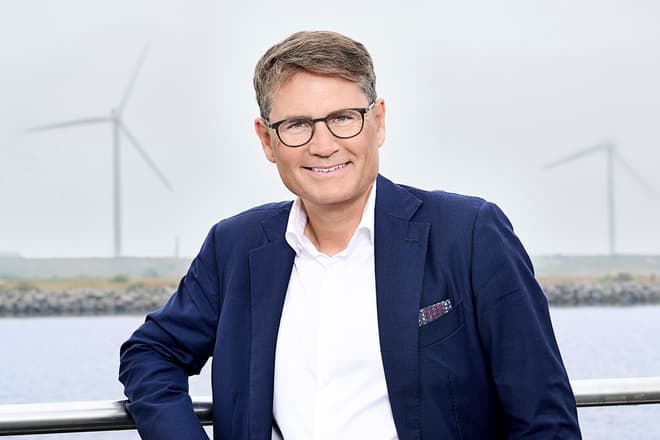
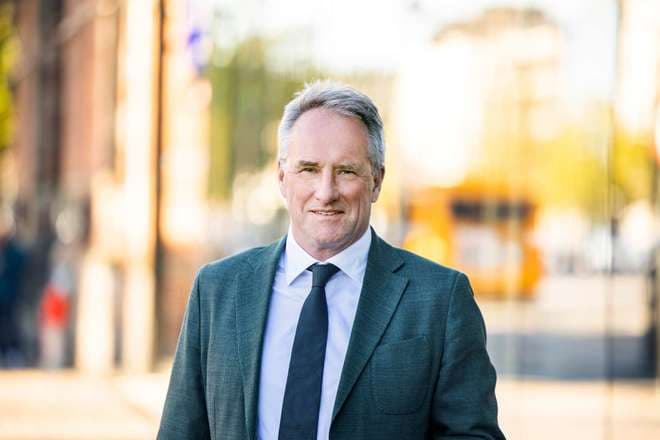
- As an alternative, we propose that we designate these areas in a much faster process. The municipalities that really want this will in turn get a much larger financial carrot, says the party's political leader Martin Lidegaard.
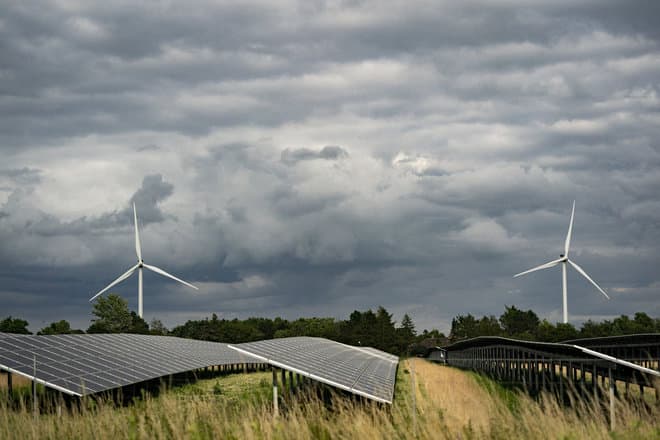
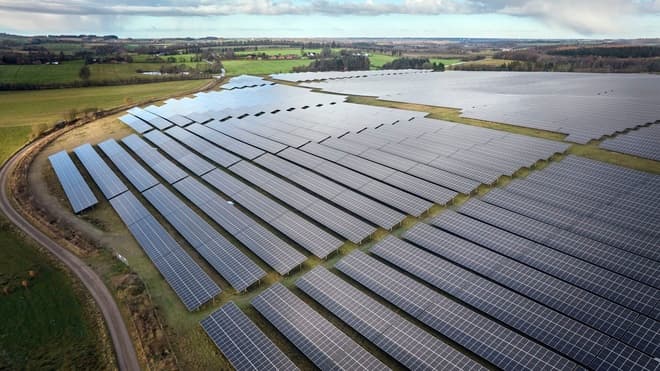
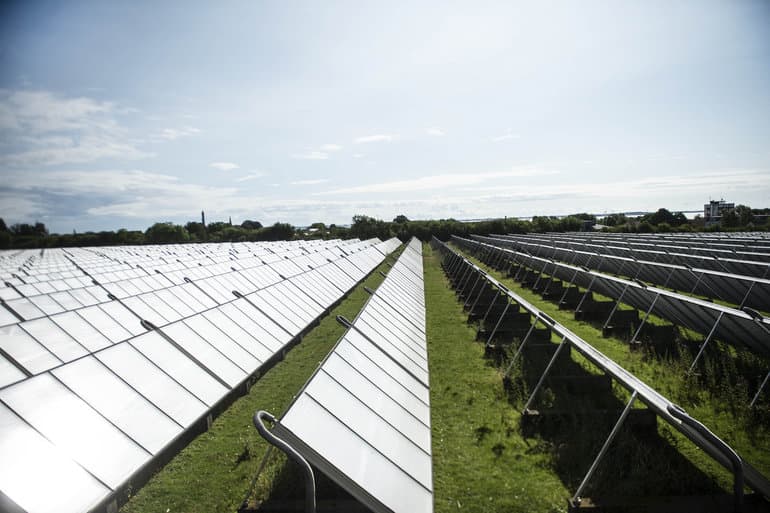
The government's work on energy parks has been underway for several years, and municipalities have now applied for 32 proposals for energy parks. Here, the idea is that the parks should accommodate both wind turbines, solar cells and PtX projects.
Even if all 32 designated projects are realized, according to the Radicals, it will not meet the goal of quadrupling renewable energy on land.
Responsibility should generate more money
Therefore, the party will make a more targeted designation of five to ten places in Denmark where municipalities can build larger energy parks. This will increase the pace and ensure that renewable energy is built in places where the electricity grid can accommodate it, the party believes.
- We believe that these places should be designated centrally. But only where the municipalities are interested, says Martin Lidegaard.
Today, the majority of land-based renewable energy is located in individual municipalities, and the municipalities that take the greatest responsibility should also be rewarded the most.
160 million DKK to Skive
Specifically, the Radicals' proposal will give the municipalities 2 øre per produced KWH. This means that you get more support, the more green electricity you produce.
A municipality that has an energy park of 100 megawatts will thus receive around 70 million kroner.
And with the level that Skive Municipality has registered as an energy park, the municipality will receive around 160 million kroner according to the Radicals' proposal.
Half from the green fund
The party will also use money from the green fund, which contains up to 53 billion kroner over the years, and which the Folketing adopted in the summer of 2022.
This means that half of the money for the municipalities will be paid by the energy companies, and the other half from the green fund.
The additional subsidy to the municipalities will come with a counter-benefit: that the municipalities will process renewable energy projects more quickly with the authorities.
The government's plan is to have completed dialogue with municipalities about where energy parks can be built.
However, the Radicals will include their proposal in the finance bill negotiations already this side of the turn of the year.
/ritzau/
Text, graphics, images, sound, and other content on this website are protected under copyright law. DK Medier reserves all rights to the content, including the right to exploit the content for the purpose of text and data mining, cf. Section 11b of the Copyright Act and Article 4 of the DSM Directive.
Customers with IP agreements/major customer agreements may only share Danish Offshore Industry articles internally for the purpose of handling specific cases. Sharing in connection with specific cases refers to journaling, archiving, or similar uses.
Customers with a personal subscription/login may not share Danish Offshore Industry articles with individuals who do not themselves have a personal subscription to Danish Offshore Industry.
Any deviation from the above requires written consent from DK Medier.