DK Havenergi
DK Vindkraft
DK Solenergi
DK PtX
DK Innovation
DK CCS
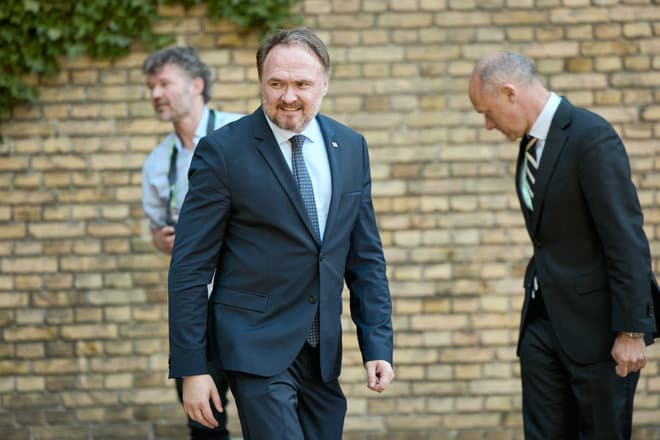
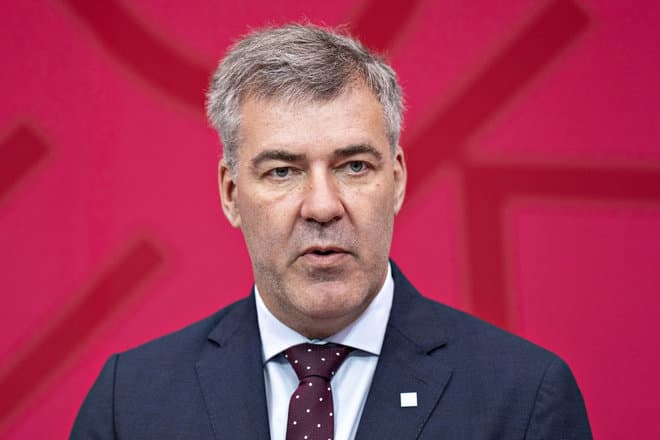
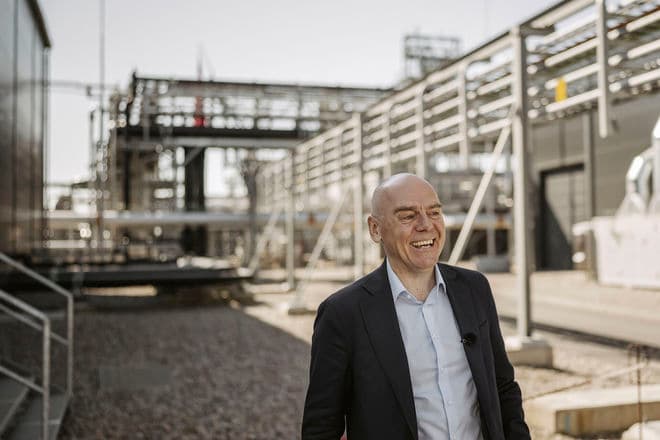
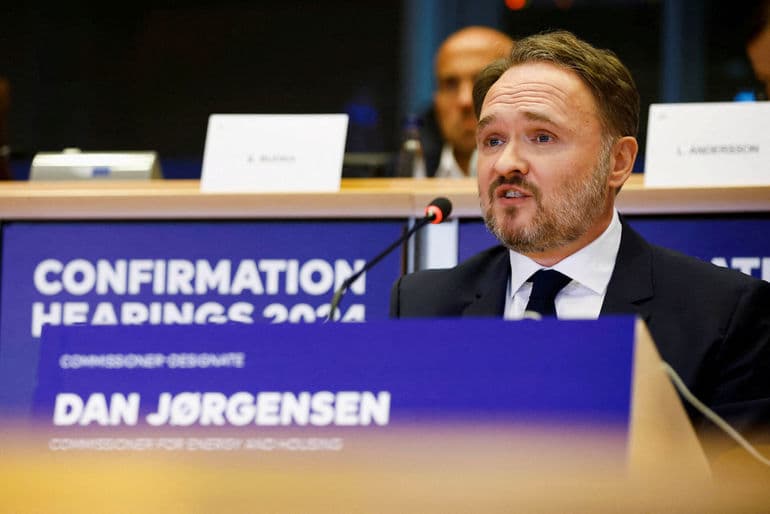
Dan Jørgensen ser trepartsaftalerne som en innovativ løsning. (Arkivfoto.)
Johanna Geron/Reuters/Ritzau Scanpix

The EU's first tripartite agreements will focus on offshore wind, grids and energy storage

The European Commission is launching a new effort for affordable energy with plans for two sector-based tripartite agreements that will focus on offshore wind and grids as well as energy storage, Dan Jørgensen reports.  
5. SEP 2025 13.47
Energi
EU
Politik

The European Commission has now set the direction for a new approach to energy policy through sector-based tripartite agreements. The aim is to ensure European industry access to affordable and stable energy in a time of high energy prices and global uncertainty. The first agreements planned by the Commission will cover offshore wind, power grids and energy storage.

The idea of ​​tripartite agreements was presented in February as a central part of the Affordable Energy Action Plan. But during a visit to Avedøre power plant on Thursday – in connection with the informal energy ministers’ meeting in Copenhagen – Energy and Housing Commissioner Dan Jørgensen (S) announced the concrete measures for the first time. Here he announced that the Commission will take the initiative for two sector-based agreements: one for offshore wind and electricity grids – and one for energy storage.

- Tripartite agreements represent an innovative solution: a joint and coordinated approach to meeting these challenges, said Dan Jørgensen in a speech during the visit to the Avedøre power plant.

The tripartite agreements will bring together three groups of actors: energy producers and their supply chains, energy-intensive companies and national and European authorities – with support from financial institutions such as the European Investment Bank.

- Energy producers need stable and predictable demand to support their investments, says Dan Jørgensen

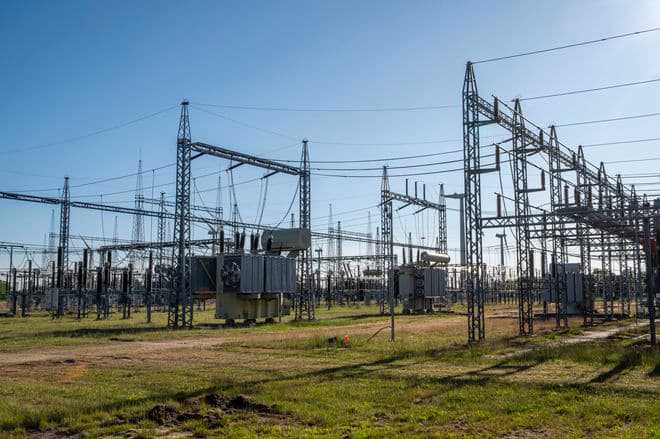
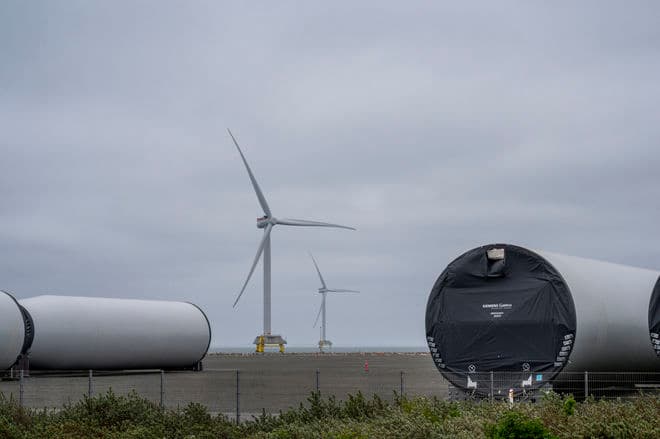
The first planned agreement will focus on the expansion of offshore wind and electricity grids. According to the EU countries' own ambitions, the total offshore capacity could reach 88 GW by 2030 and 360 GW by mid-century. For comparison, this corresponds to the current electricity capacity of Germany, Poland and Greece combined. The agreement will, among other things, create a better framework for coordinating grid infrastructure.

The second agreement will deal with energy storage. According to Dan Jørgensen, the Commission estimates that the EU will need approximately 200 GW of storage capacity by 2030. The initiative will create investment security for technologies that can balance the electricity grid and support the integration of renewable energy.

The two initiatives are the first steps in a broader strategy, in which the Commission is examining the possibilities for similar cooperation in areas such as biomethane, energy efficiency, nuclear power and data centres. The aim is to establish a long-term framework for investments in the entire energy system and strengthen the EU's industrial competitiveness.

amp

Text, graphics, images, sound, and other content on this website are protected under copyright law. DK Medier reserves all rights to the content, including the right to exploit the content for the purpose of text and data mining, cf. Section 11b of the Copyright Act and Article 4 of the DSM Directive.

Customers with IP agreements/major customer agreements may only share Danish Offshore Industry articles internally for the purpose of handling specific cases. Sharing in connection with specific cases refers to journaling, archiving, or similar uses.

Customers with a personal subscription/login may not share Danish Offshore Industry articles with individuals who do not themselves have a personal subscription to Danish Offshore Industry.

Any deviation from the above requires written consent from DK Medier.

https://www.doi.dk/en/ptx/artikel/eu-foerste-trepartsaftaler-vil-fokusere-paa-offshore-vind-net-og-energilagring

GDPR