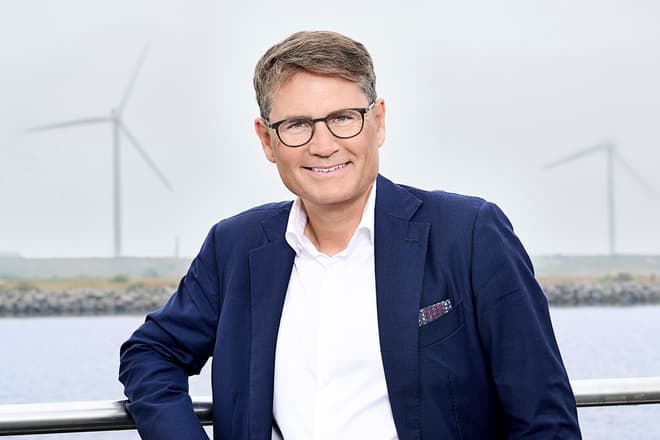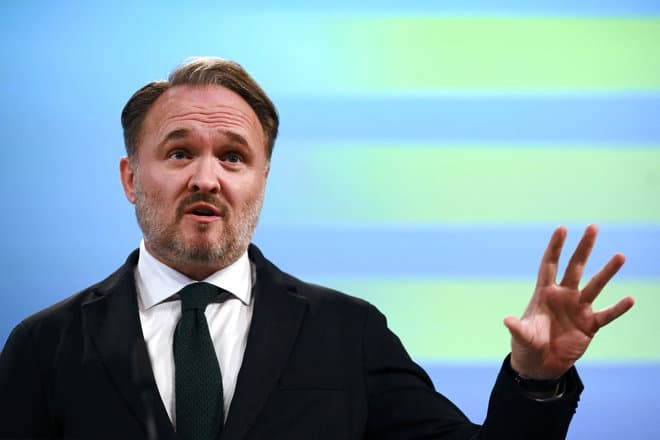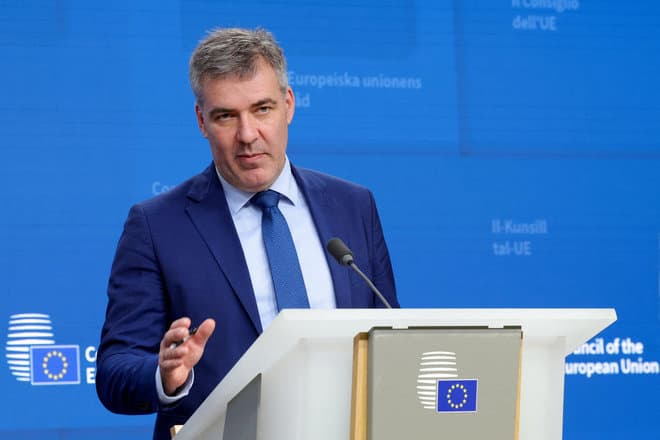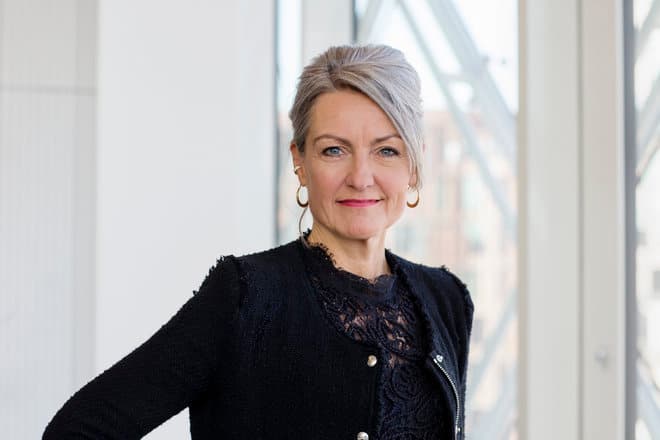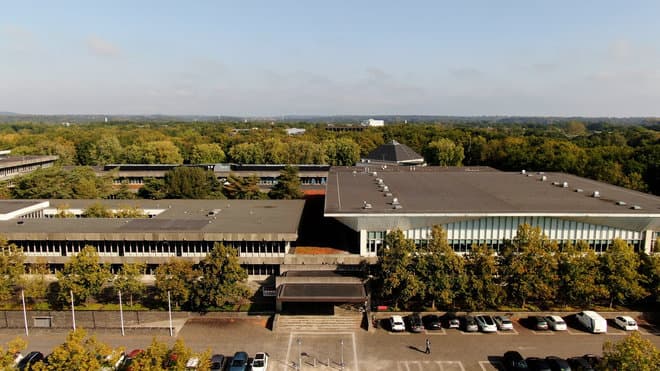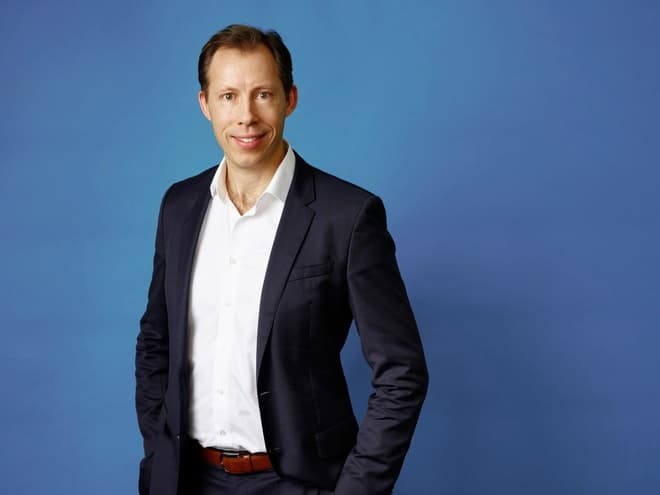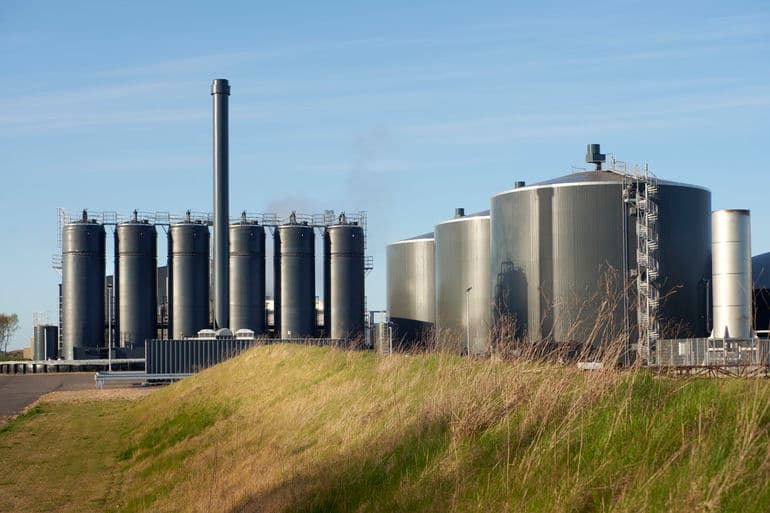
One of them owns his own island. Another made a fortune at the takeaway company Just Eat. A third burst onto the list of Denmark's 100 richest people in 2022. What they all have in common is that large sums of money are rolling in from biogas plants that have received several billion kroner in state support. This is revealed by a review of the ownership and finances of a number of biogas plants that Ingeniøren has conducted.
From 2019 to 2024, 19 biogas plants have received at least 4.6 billion kroner from the treasury, while they have had a profit after tax of over 1.1 billion kroner. The owners include some of Denmark's richest men, who have been able to withdraw over 710 million kroner for themselves. Among other things, plants that Denmark's 55th richest man Karsten Buchhave is a co-owner of have received at least 1.2 billion DKK in state aid.
The figures are also causing a stir at Christiansborg. In addition to the large dividends, member of the Danish Parliament Søren Egge Rasmussen from the Unity List, who sits on the Climate, Energy and Utilities Committee, also notes that the money is piling up in the state-subsidized companies.
"They could have pulled out even more," he says, adding that "we have ended up in a completely wrong place" with the state aid that the biogas companies have received to 'upgrade' biogas. The aid goes to cleaning the gas of CO2 and other impurities before it is sent out into the public gas network.
- It's a huge problem. The support for biogas is simply too great, says Søren Egge Rasmussen and points out, like others before him, that the billions in support for upgrading biogas are expensive CO2 reductions compared to, for example, wind turbines and solar cells.
Economics professor: Support should be limited
Economics professor Per Nikolaj Bukh from Aalborg University believes that it is important that support is limited to what is necessary in the future, so that tax dollars do not disappear from the treasury without the money actually being needed to keep biogas production running.
With the large fluctuations in the gas price, but also biogas plant owners' expenses for manure, straw, food waste and other things, there is still a need to share the risk of losing money with the state. In other words, biogas probably still requires state support, but it should be distributed in a "fairer way".
- And so you have to let go of some of the profit to get the support, he says.
Retrospectively, it is difficult to do anything. The support for biogas runs until 2032 according to an agreement already made between plant owners and the state. But it may not be completely impossible to scrape in some of the tax money, estimates the Red and Green Party's Søren Egge Rasmussen.
- It tends to be expensive to make legislation with retroactive effect. It will be at the level of expropriation. I don't exactly have the solution, but of course I am interested if you can legally adjust the support (which has already been agreed and paid, ed.) down, he says.
amp
Text, graphics, images, sound, and other content on this website are protected under copyright law. DK Medier reserves all rights to the content, including the right to exploit the content for the purpose of text and data mining, cf. Section 11b of the Copyright Act and Article 4 of the DSM Directive.
Customers with IP agreements/major customer agreements may only share Danish Offshore Industry articles internally for the purpose of handling specific cases. Sharing in connection with specific cases refers to journaling, archiving, or similar uses.
Customers with a personal subscription/login may not share Danish Offshore Industry articles with individuals who do not themselves have a personal subscription to Danish Offshore Industry.
Any deviation from the above requires written consent from DK Medier.