The European Commission has launched the Industrial Accelerator Act (IAA), which is intended to strengthen Europe's green industry through new so-called lead markets and requirements for Made in Europe. The initiative has the right intentions, but the level of ambition is not high enough, believes the industry organization Brintbranchen. Brintbranchen states this in a press release.
Among other things, the organization points out that the proposal contains elements that can strengthen the European production of hydrogen technology. At the same time, the industry assesses that the proposal has been weakened during the process.
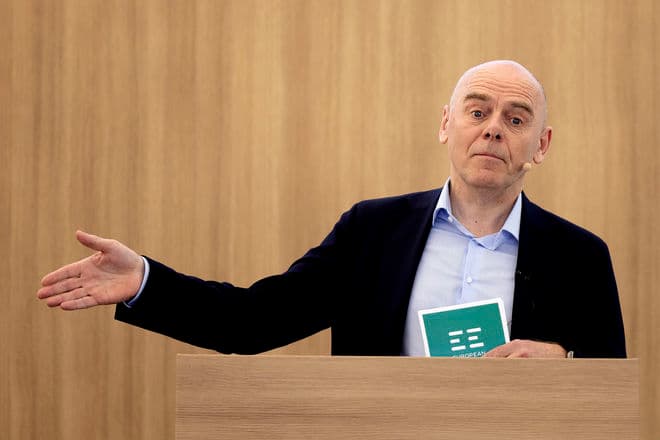
- It is no secret that the EU is challenged in its global competitiveness and needs to strengthen its industrial base. It is positive that the Commission, with the IAA, is taking the first steps towards greater independence through both lead markets and Made in Europe requirements. But the proposal is marked by compromises and reduced ambitions from the first drafts, and we are left with a package that has clear and correct visions, but too few concrete tools, says Tejs Laustsen Jensen, director of the Hydrogen Industry.
However, the organization is positive that electrolysis and other hydrogen technologies have been designated as strategic green key technologies, and that the production of electrolysis equipment should be anchored to a greater extent in Europe. This is considered particularly relevant for Denmark, where there are already several manufacturers in the area.
On the other hand, the Hydrogen Industry believes that the design of the proposed lead markets for steel, among other things, is less successful. Here, the Commission proposes the use of low-emission steel rather than actual green steel based on green hydrogen (RFNBO). According to the organization, this could weaken investment signals for technologies that can drive the green transition.
- It is a shame that the Commission does not go all the way with the vision behind the IAA. Instead of focusing on low-carbon solutions, the EU should have formulated real requirements for the use of green hydrogen (RFNBO), including in the production of green steel. This would create clearer investment signals and ensure a real green transition of the European steel industry, says Tejs Laustsen Jensen.
The hydrogen industry therefore hopes that the upcoming negotiations in the EU will lead to a more ambitious result that both strengthens Europe's industrial resilience and promotes the technologies that will support the green transition.