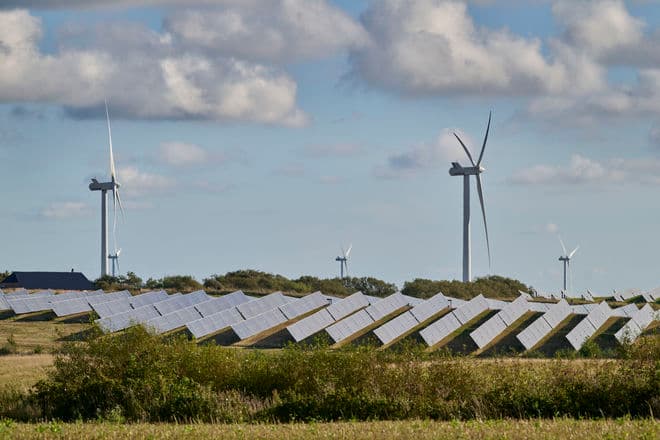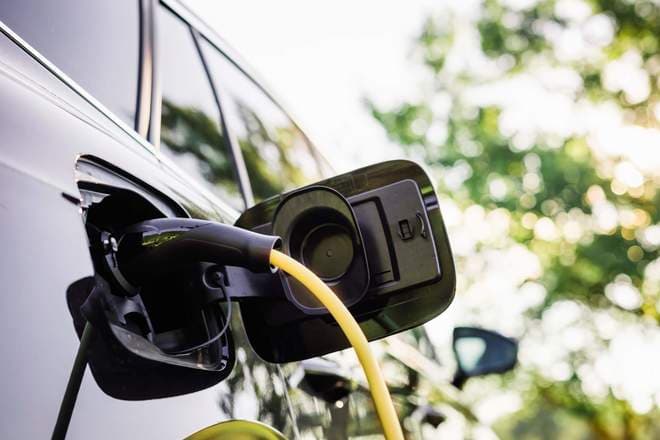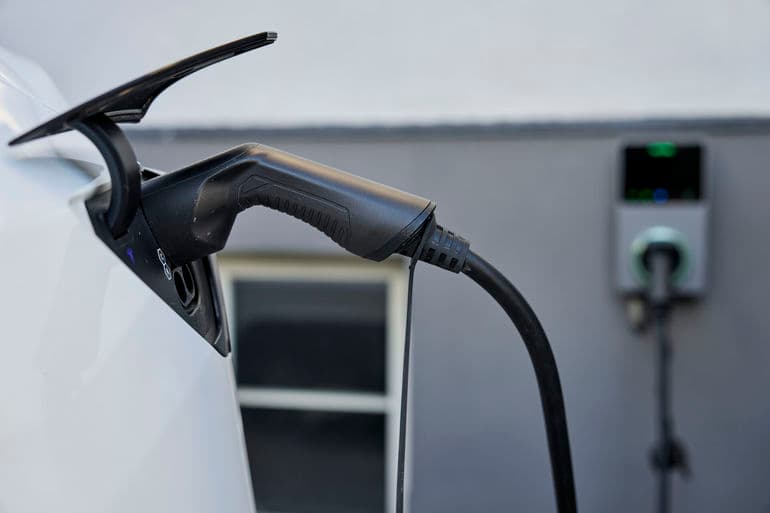
Denmark can reduce its societal vulnerability by ensuring that the solar cells on 150,000 Danish buildings, together with the batteries in 450,000 electric cars, can be mobilized in the event of a major breakdown in the central electricity supply. This is the assessment of Jesper Florin, head of the Danish Resilience Center, a private research and technology organization.
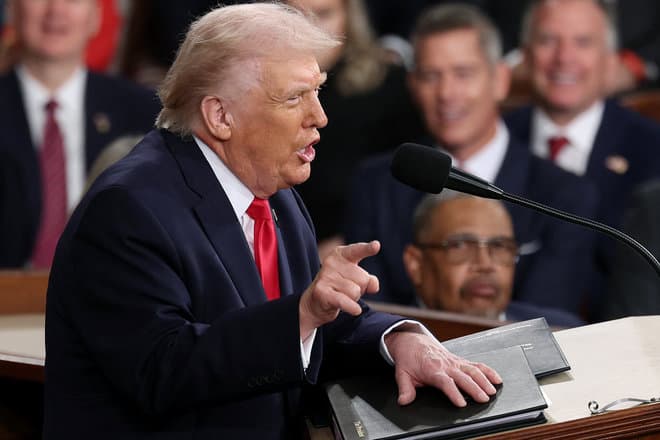
- Central energy supply weakens our resilience. Decentralized supply strengthens our resilience. That is obvious. Technologically speaking, it is possible to use the decentralized solar cell and battery capacity in the event of a major power outage. Whether this will actually happen is a political question, Florin tells Mandag Morgen.
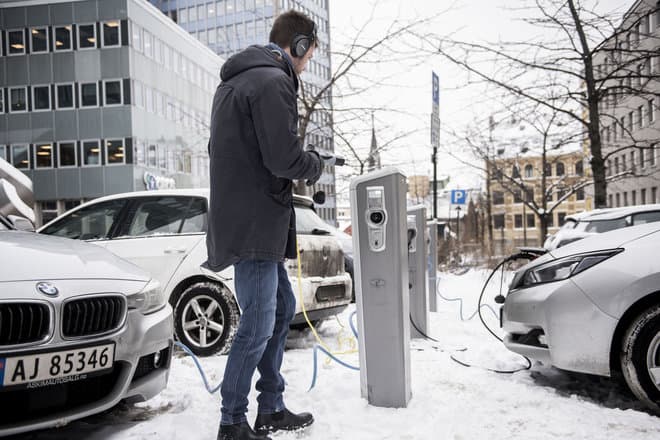
In principle, electric cars and solar cells constitute a gigantic power bank that can protect Denmark against natural disasters, hackers or sabotage of the energy supply by hostile powers.
Unfortunately, it doesn't work - yet. There are still very few electric cars and chargers that can send power from the battery back to the electricity grid. And the vast majority of solar cell systems operate in such a way that they automatically disconnect during power outages.
Requires regulatory changes
The question is whether politicians have the will to implement regulatory changes that make it possible to utilize the power from the many decentralized producers in connection with a longer power outage such as the one that shut down power in Spain and Portugal for 18 hours in the spring.
According to Birgitte Eskildsen from the Danish Solar Cell Association, there is a great willingness among private Danish solar cell owners to prepare and contribute to the green transition of Danish society:
- These are precisely the things that people are concerned about. They want to produce their own green electricity. In this way, self-producers relieve the general load on the collective electricity grid, and it contributes to the community, says Eskildsen and adds:
- In my opinion, we should adapt the energy system to the production of more decentralized energy. We should to a much greater extent design the energy system so that real economic incentives are created for the optimization and coordination of local production and consumption.
The risk that Denmark will experience a massive power outage is increasing significantly. This was documented by Mandag Morgen in an analysis in April 2025.
At the same time, both the Police Intelligence Service and the Defense Intelligence Service assess that Denmark's energy infrastructure is a strategic sabotage target for hostile powers, especially Russia.
amp
Text, graphics, images, sound, and other content on this website are protected under copyright law. DK Medier reserves all rights to the content, including the right to exploit the content for the purpose of text and data mining, cf. Section 11b of the Copyright Act and Article 4 of the DSM Directive.
Customers with IP agreements/major customer agreements may only share Danish Offshore Industry articles internally for the purpose of handling specific cases. Sharing in connection with specific cases refers to journaling, archiving, or similar uses.
Customers with a personal subscription/login may not share Danish Offshore Industry articles with individuals who do not themselves have a personal subscription to Danish Offshore Industry.
Any deviation from the above requires written consent from DK Medier.